 4140 Steel Machinability: What You Need to Know Before You Cut
If you’re working in a machine shop or sourcing materials for precision parts, you’ve probably asked yourself:
“How machinable is 4140 steel?”
“Can I machine it in hardened condition?”
“Will it wear down my tools too fast?”
You’re not alone. At Otai, we get these questions all the time from CNC shops, gear manufacturers, and toolmakers. So here’s a straight answer—based on real-world experience, not just textbook specs.
Let’s dive into the machinability of 4140 steel, and how to get the best out of it.
🔧 What Is 4140 Steel?
Before we talk about cutting tools and feed rates, let’s recap what makes 4140 alloy steel so popular in machining industries:
-
A chromium-molybdenum low-alloy steel
-
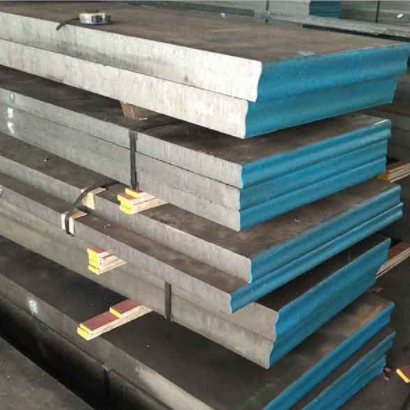
Used for shafts, gears, bolts, mold bases, and die blocks
-
Available in annealed, normalized, or quenched & tempered (Q&T) conditions
-
Pre-hard 4140 (HRC 28–32) is especially popular for tooling parts
In short, it’s tough, strong, and heat treatable—but how easy is it to machine?
⚙️ Is 4140 Steel Easy to Machine?
The answer:
Moderately easy—if you use the right tools and settings. 🛠️
Compared to mild steels like 1018 or 1045, 4140 steel machinability rating is around 55% in annealed form. It’s harder, slightly more “gummy” at low speeds, and can be tool-wearing when not properly managed.
Still, it’s miles ahead of harder grades like tool steels or stainless.
📊 Machinability Comparison Table
| Material | Condition | Machinability Rating* | Notes |
|---|---|---|---|
| 1018 Carbon Steel | Annealed | 100% (baseline) | Very easy to cut |
| 1045 Carbon Steel | Annealed | 65% | Free-cutting, low tool wear |
| 4140 Alloy Steel | Annealed | 55% | Moderate—watch feed & temp |
| 4140 Alloy Steel | Q&T (HRC 28–32) | 45–50% | Cleaner chips, better finish |
| 4140 Alloy Steel | Q&T (HRC 38–42) | 30–35% | Carbide tools a must |
| H13 Tool Steel | Annealed | 25–30% | Very tough to machine |
* According to SAE J300 & internal Otai client data
🛠️ Pro Tips: How to Improve Machining Performance
If you’re planning to machine 4140 prehard steel, here are some tips based on industry best practices and what our clients tell us works best:
🔪 1. Use Coated Carbide Inserts
Prefer TiAlN or TiCN coatings. These reduce wear and allow higher cutting speeds, especially when roughing.
🌀 2. Optimize Your Speeds & Feeds
-
For roughing, try 70–100 SFM (21–30 m/min)
-
For finishing, 100–140 SFM (30–42 m/min)
-
Keep feed rate moderate: 0.15–0.3 mm/rev
-
Avoid low speeds—they cause built-up edge and dull tools faster
💦 3. Flood It with Coolant
Use high-pressure coolant to flush chips and control cutting temperature. Overheating leads to premature tool failure.
🔄 4. Plan Pre-Hard Machining Steps
Machine all features (slots, threads, bores) before nitriding or further hardening. After 40+ HRC, only grinding or EDM will work.
🔍 5. Monitor Tool Wear
Tool wear increases sharply with improper setup. Watch for:
-
Flank wear on inserts
-
Chip color turning blue or black (too hot)
-
Chatter during contour cutting (loose setup)
🧪 Annealed vs Quenched & Tempered: What Works Best?
| Condition | Machinability | Surface Finish | Tool Life | Chip Control |
|---|---|---|---|---|
| Annealed | Easier | Fair | Medium | Gummy chips |
| Q&T (28–32 HRC) | Moderate | Excellent | Longer | Clean breaks |
| Q&T (38–42 HRC) | Tougher | Good | Shorter | Needs sharp inserts |
🧠 Expert Tip: For CNC turning or high-precision milling, most shops prefer 4140 Q&T around HRC 30—less gummy, better dimensional accuracy.
🏭 Real Case: CNC Gear Hub Production in Poland
A customer in Poland was making 4140 Q&T gear hubs with both inner spline and outer flanges.
Initial setup used generic carbide tools with medium feed. They faced:
-
🔧 Short tool life
-
🌀 Poor chip evacuation
-
⏱️ High cycle time
After consulting with our team, they upgraded to multi-layer TiAlN inserts and adjusted the feed and coolant flow.
Outcome:
-
Tool change interval increased by 40%
-
Surface finish improved to Ra 1.0–1.2
-
Machining time per part reduced by 23%
🎉 Sometimes, better machining starts with better material + process matching.
🧰 Recommended Applications for 4140 in Machining
🔩 4140 round bar for gear manufacturing
🛠️ 4140 for CNC shafts & custom bushings
🧰 4140 alloy steel for mold bases
🚜 4140 Q&T blanks for agricultural tools
⚙️ 4140 in hydraulic piston rods and drive components
These are high-stress parts where machinability + strength really matter.
🏭 Why Otai Steel Is CNC Shops’ Favorite
Whether you’re roughing annealed bar or finishing Q&T shafts, we help you get it right—fast.
✅ 10,000+ tons of 4140 alloy steel in stock
📦 Available in annealed, Q&T, or normalized conditions
📐 Precision cut-to-length & grinding service
🧪 Full UT and chemical test reports with every order
📞 Expert suggestions for the best 4140 condition for your machining setup
🌍 Fast global shipping to 30+ countries
🛠️ Pre-machined or nitriding-ready parts available on request
📧 jack@otaisteel.com
📱 WhatsApp: +8676923190193
Need 4140 steel for gear hubs, shafts, or fixtures?
Let us recommend the perfect machinable grade based on your drawings!
💬 FAQs – 4140 Steel Machinability
Q1: Can I machine 4140 in hardened condition (HRC 40+)?
Yes, but only with CBN or ceramic tools. Most shops prefer to machine before final hardening.
Q2: Which is easier to cut: 4140 vs 1045 steel?
1045 is easier to machine, but 4140 is stronger and more wear-resistant—especially after Q&T.
Q3: Can I machine after nitriding?
No. Once nitrided, 4140 is too hard (HRC 60–70) for normal cutting. Only grinding or EDM is effective.
Q4: Does heat treatment affect machinability?
Absolutely. 4140 Q&T (HRC 28–32) machines cleaner than annealed due to chip control.
Q5: What is the best cutting tool for 4140 steel?
Coated carbide inserts (like TiAlN) offer the best performance for most Q&T jobs.
Q6: Can you supply pre-machined 4140 steel blanks?
Yes! We offer pre-cut, rough milled, and semi-finished 4140 parts ready for finish machining.