 TIG Welding 4140 Steel: A Complete Guide
TIG welding (Tungsten Inert Gas welding) is a popular welding process known for its precision and ability to produce high-quality, clean welds. When it comes to welding 4140 steel, a high-strength, low-alloy steel, TIG welding offers several advantages, including control over heat input and minimal contamination. However, welding 4140 steel requires specific techniques to achieve optimal results. This article will explore how to successfully TIG weld 4140 steel, the best practices to follow, and the common challenges faced during the process.
🔥 What is 4140 Steel?
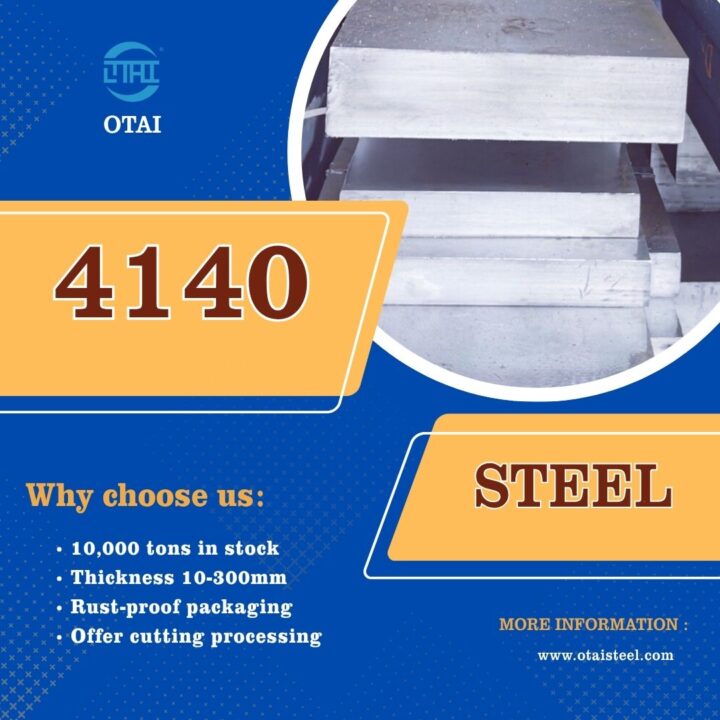
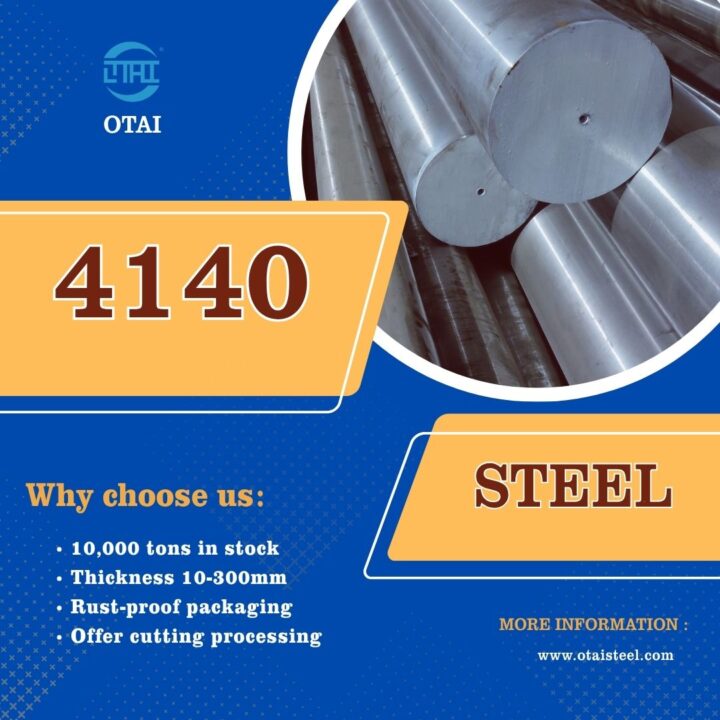
4140 steel is a versatile alloy steel commonly used in demanding applications like automotive, aerospace, and heavy machinery. It is made up of chromium and molybdenum, which give it excellent strength, toughness, and wear resistance.
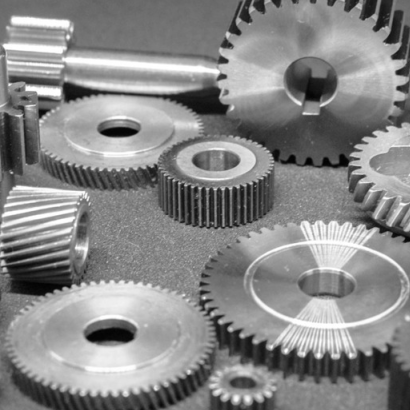
This steel is often used for parts like gears, shafts, axles, and tooling. When it comes to welding, 4140 steel presents a few challenges due to its high carbon content, which can lead to hardening and brittleness if not treated properly.
🔩 Why Use TIG Welding for 4140 Steel?
TIG welding is often preferred when working with 4140 steel for several reasons:
-
Precision and Control: TIG welding allows for excellent control over the heat input, which is essential when welding 4140 steel. This reduces the risk of distortion and ensures that the material does not overheat.
-
Clean Welds: The process produces clean, smooth welds with minimal spatter and no slag. This is particularly useful when working with the high-quality surface finish often required for 4140 steel parts.
-
Versatility: TIG welding can be used to weld a wide variety of thicknesses, which is common in 4140 steel applications.
-
Low Heat Affected Zone (HAZ): Since TIG welding is a low-heat process, it results in a smaller Heat-Affected Zone (HAZ). This is crucial in minimizing the impact on the material’s properties, especially since 4140 steel can be susceptible to distortion and hardening.
🔧 Preparing 4140 Steel for TIG Welding
Proper preparation is key to achieving a successful weld when working with 4140 steel. Follow these steps to ensure the material is ready for TIG welding:
1. Clean the Steel Surface
Before welding, clean the 4140 steel thoroughly to remove any contaminants like oil, rust, dirt, or grease. Use a wire brush or grinder to clean the surface, especially along the edges that will be welded. Contaminants can cause welding defects like porosity.
2. Preheat the Material
Preheating is essential for welding 4140 steel, especially when it’s thick or has a high carbon content. Preheating helps to reduce the risk of cracking during welding by reducing thermal shock. Typical preheating temperatures for 4140 steel range from 300°F to 500°F (150°C to 260°C), depending on the thickness of the material.
3. Choose the Right Filler Rod
For TIG welding 4140 steel, choose a filler rod that matches the material composition. Common choices for filler rods include:
-
ER70S-6: A general-purpose filler for mild steel and low-alloy steels like 4140.
-
ER80S-D2: This filler is designed for alloy steels and offers higher strength and toughness, making it suitable for 4140 steel applications.
The filler rod should have a composition similar to the base metal to ensure strong, consistent welds.
⚙️ TIG Welding Process for 4140 Steel
Once you’ve prepared the steel and gathered the right equipment, follow these steps for welding:
1. Set Up the TIG Welder
For TIG welding 4140 steel, use a DC (Direct Current) electrode negative (DCEN) setting. This setting ensures that the heat is concentrated on the workpiece, which helps prevent overheating and distortion.
The tungsten electrode should be sharp to create a focused arc. A 2% thoriated tungsten electrode (e.g., WP-2) is commonly used for welding 4140 steel.
2. Adjust the Heat Settings
The heat settings will depend on the thickness of the material. For 4140 steel, the typical amperage range is between 90 and 200 amps. For thinner materials, use lower amperage, and for thicker materials, increase the amperage.
Make sure to maintain the right arc length and welding speed to ensure smooth and consistent welds.
3. Begin Welding
Start the weld by striking the arc on the base material and gradually adding filler rod as you move along the joint. Maintain a steady hand and consistent speed to avoid overheating and distortion. Move along the joint at a moderate pace to ensure uniform heat distribution.
4. Post-Weld Heat Treatment
After welding, 4140 steel often requires post-weld heat treatment (PWHT) to relieve residual stresses and prevent cracking. This may involve tempering the steel at a specific temperature to restore toughness and reduce hardness in the welded area.
🛠️ Common Challenges and Solutions
TIG welding 4140 steel can present some challenges, especially when dealing with thicker sections or complex welds. Here are some common issues and how to address them:
1. Cracking
Cracking is a common issue when welding 4140 steel, especially if the material has not been preheated properly or the post-weld heat treatment is insufficient. To prevent cracking:
-
Preheat the material to the recommended temperature.
-
Use the correct filler material and avoid cold cracking.
-
Apply post-weld heat treatment to relieve stresses.
2. Overheating and Distortion
If the heat input is too high, the material can overheat, leading to distortion or warping. To avoid this, control the heat input and use proper welding speed and amperage settings. Also, avoid excessive pass overlap.
3. Porosity
Porosity occurs when gas becomes trapped in the weld, creating holes or bubbles. To avoid this:
-
Ensure the steel surface is clean.
-
Maintain an appropriate shield gas flow (typically argon or argon-based mixtures) to prevent contamination from the atmosphere.
-
Check the torch and filler rod for moisture.
🌍 Applications of TIG Welded 4140 Steel
TIG welding 4140 steel is common in industries where strength, precision, and durability are essential. Some common applications include:
-
Automotive: Axles, crankshafts, gears, and suspension components.
-
Aerospace: Engine parts, landing gear components, and structural components.
-
Tooling: Press molds, machine parts, and tooling components.
-
Heavy Machinery: Shafters, gears, and machine frames.
🌟 Why Choose Otai Special Steel for Your 4140 Steel?
At Otai Special Steel, we offer high-quality 4140 steel suitable for TIG welding and other fabrication processes. Our advantages include:
-
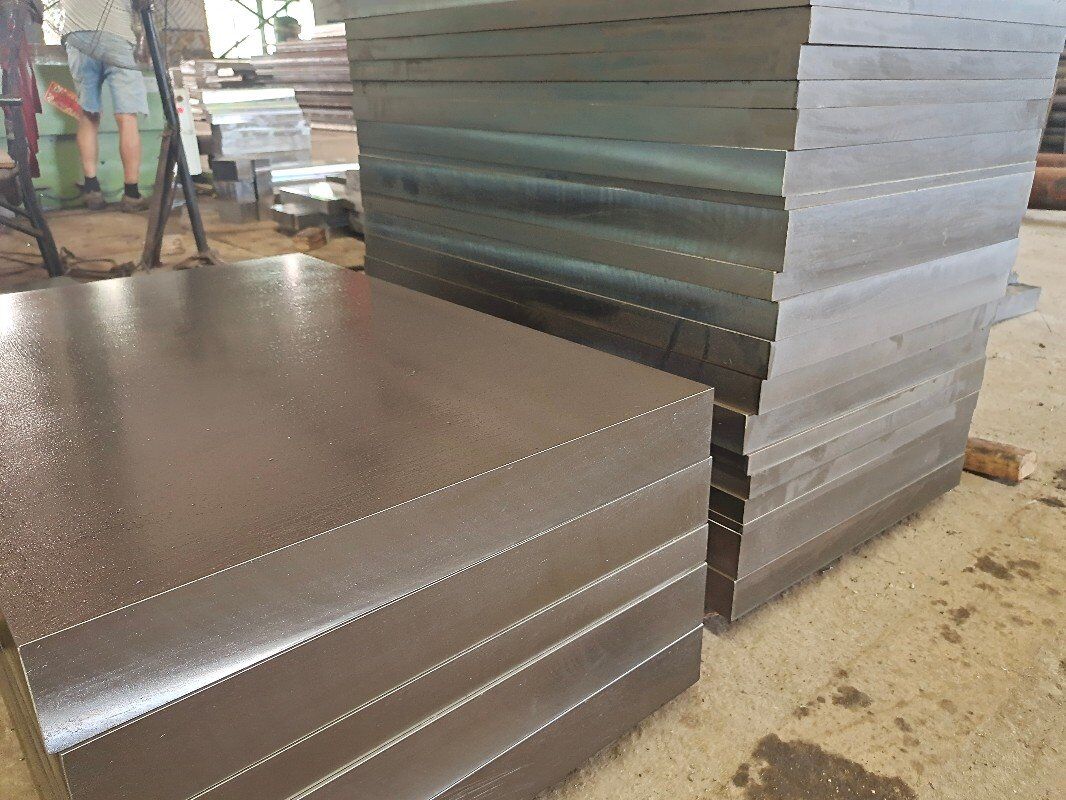
🏭 Large Inventory: We offer a variety of 4140 steel in different forms and sizes.
-
📐 Custom Heat Treatment: We provide tailored preheating and post-weld heat treatment services to meet your specific needs.
-
🔍 Quality Testing: Our 4140 steel undergoes rigorous testing to ensure excellent weldability and performance.
-
🌍 Global Shipping: We provide fast, reliable shipping worldwide.
-
💰 Competitive Pricing: Get the best prices without compromising on quality.
❓ FAQ
Q1: Can 4140 steel be welded using TIG welding?
A: Yes, 4140 steel is well-suited for TIG welding, though it requires proper preheating and post-weld heat treatment to prevent cracking and distortion.
Q2: What filler rod should I use for TIG welding 4140 steel?
A: ER70S-6 and ER80S-D2 are common filler rods for 4140 steel, depending on the specific application and strength requirements.
Q3: Do I need to preheat 4140 steel before TIG welding?
A: Yes, 4140 steel should be preheated to reduce the risk of cracking. The typical preheat temperature is between 300°F and 500°F (150°C to 260°C).
Q4: How do I prevent porosity when TIG welding 4140 steel?
A: To prevent porosity, ensure the material is clean, maintain proper gas flow, and avoid moisture in the welding area.