4140 Steel Specs: Key Data Buyers Should Check Before Purchasing
📑 Table of Contents
- 📋 4140 Steel Specifications: A Buyer’s Overview
- 🧪 Chemical Composition and Grade Verification
- 💪 Mechanical Properties and Strength Requirements
- 🔥 Heat Treatment, Hardness, and Delivery Condition
- 📏 Dimensions, Tolerances, and Surface Quality
- 📑 Standards, MTCs, and Inspection Requirements
- ⚖️ How to Compare 4140 Steel Specifications
- 💰 Purchasing Decisions That Affect Cost and Lead Time
- 🏭 Why Source 4140 Steel from Otai Special Steel?
- ❓ Frequently Asked Questions
When purchasing 4140 steel, a grade designation alone does not guarantee that the material meets your engineering requirements. Two suppliers can offer AISI 4140 while quoting different delivery conditions, hardness levels, dimensional tolerances, inspection scopes, and documentation. These differences can affect machining costs, heat-treatment results, component performance, and delivery schedules.
This article explains the key 4140 steel specs industrial buyers should review before placing an order. It covers chemical composition, mechanical properties, heat treatment, dimensional requirements, material test certificates, and supplier evaluation. Use these checkpoints to prepare a clearer purchase specification and reduce the risk of receiving material that does not suit your application.
📋 4140 Steel Specifications: A Buyer’s Overview
AISI 4140 is a chromium-molybdenum alloy steel widely used for machine components that require a useful combination of strength, toughness, hardenability, and wear resistance. Buyers commonly consider it for shafts, gears, industrial machinery components, fixtures, and other engineered parts. Its performance depends on more than its nominal chemical composition.
Start with the complete purchase specification
Before requesting a quotation, define the product form, dimensions, delivery condition, mechanical requirements, and inspection documents. These details help suppliers quote comparable materials rather than different products under the same grade name.
| Specification item | What buyers should define |
|---|---|
| Grade and standard | AISI 4140 designation and the applicable material standard or purchase specification |
| Product form | Plate, flat stock, or another specifically required form |
| Dimensions | Thickness, width, length, dimensional tolerances, and cutting allowance |
| Delivery condition | As-rolled, annealed, normalized, quenched and tempered, or another agreed condition |
| Performance requirements | Hardness, tensile properties, toughness, or other specified tests |
| Inspection and documents | Material test certificate, traceability, nondestructive testing, and third-party inspection where required |
Why the details matter
For example, a component manufacturer that plans to machine a part before final heat treatment may prefer a softer delivery condition. Another buyer may need quenched-and-tempered material to meet strength requirements with less downstream processing. Both can specify 4140, yet their purchasing requirements differ significantly.
Therefore, avoid comparing quotations based on price per ton alone. First confirm that each supplier has quoted the same grade, dimensions, delivery condition, tolerances, and inspection scope.
🧪 Chemical Composition and Grade Verification
Chemical composition helps establish whether the material falls within the required grade specification. In 4140 steel, chromium and molybdenum contribute to hardenability, while carbon strongly influences achievable hardness and strength after suitable heat treatment. Manganese and silicon also contribute to the steel’s properties and processing behavior.
Typical composition ranges for preliminary review
The table below provides commonly referenced composition ranges for AISI 4140. Exact limits depend on the governing standard, product form, and applicable specification. Treat these figures as a preliminary reference, not as a substitute for the requirements in your purchase contract.
| Element | Commonly referenced range or limit, wt.% | Buyer’s review point |
|---|---|---|
| Carbon (C) | 0.38–0.43 | Influences hardness, strength, and heat-treatment response |
| Manganese (Mn) | 0.75–1.00 | Supports hardenability and strength |
| Silicon (Si) | 0.15–0.35 | Acts as a deoxidizer and contributes to strength |
| Chromium (Cr) | 0.80–1.10 | Contributes to hardenability and wear-related performance |
| Molybdenum (Mo) | 0.15–0.25 | Supports hardenability and tempering response |
| Phosphorus (P) | Common maximum: 0.035 | Verify the applicable standard limit |
| Sulfur (S) | Common maximum: 0.040 | Check the specified limit and any machinability requirements |
Separate standard limits, typical analysis, and MTC results
These three types of chemical data serve different purposes:
- Standard composition limits: The permitted ranges or maximum values defined by the applicable standard or specification.
- Typical analysis: Representative values supplied by a producer for reference. These values do not guarantee the composition of every heat.
- Actual MTC results: The reported chemical analysis for the supplied heat or batch, subject to the certificate’s identification and traceability.
When evaluating a quotation, compare the actual material test certificate (MTC) against the governing specification. Do not reject material simply because its actual result differs from a published typical value; instead, check whether the result complies with the applicable limits.
Also confirm that the heat number on the certificate matches the material identification and relevant packing or inspection records. This traceability check connects the documents to the steel you receive.
💪 Mechanical Properties and Strength Requirements
Mechanical properties help determine whether 4140 steel can perform under the loads, impact conditions, and service environment expected in the finished component. However, there is no single tensile strength, yield strength, or hardness value that applies to every 4140 product.
Which mechanical properties should you specify?
- Tensile strength: The maximum tensile stress reached during a tensile test. It helps characterize the material’s response to pulling loads.
- Yield strength: The stress at which the material begins to deform permanently, based on the applicable test definition.
- Elongation: A measure of ductility reported under specified tensile-test conditions.
- Hardness: A measure of resistance to indentation, commonly reported using a method such as Brinell or Rockwell.
- Impact toughness: A test result, such as Charpy impact energy, when the application or purchase specification requires it.
These values depend on the delivery condition, heat-treatment process, product dimensions, sampling location, and test method. A value reported for a small test specimen should not automatically be applied to a much thicker section.
Do not use one strength figure for every condition
Annealed 4140 generally has a different strength and hardness profile from quenched-and-tempered 4140. Likewise, two quenched-and-tempered products may differ because of their target hardness, section size, and processing route.
For this reason, avoid purchasing against a generic statement such as “high-strength 4140.” Instead, state the required property, minimum or acceptable range, test method, and applicable standard. If the drawing specifies yield strength and tensile strength, confirm both rather than using hardness alone as proof of compliance.
Check the test basis before comparing suppliers
When a quotation lists mechanical properties, ask whether the values are guaranteed requirements, typical data, or actual test results. If the supplier provides a certificate, review the specimen direction, sampling location, test method, and heat-treatment condition where reported. Make sure those details match the purchase specification.
For demanding applications, your engineering team may also need to define impact testing, fatigue considerations, cleanliness requirements, or other acceptance criteria. These requirements should be agreed before production or shipment, not introduced after delivery.
🔥 Heat Treatment, Hardness, and Delivery Condition
Heat treatment changes the microstructure of 4140 steel and can substantially affect strength, hardness, toughness, and machinability. Buyers should therefore define the required delivery condition rather than assuming that the grade name specifies the condition.
Common delivery conditions
| Condition | Typical purchasing purpose | What to verify |
|---|---|---|
| Annealed | Often selected for machining and further processing | Specified hardness range and machinability needs |
| Normalized | Used when the specified process and properties call for normalized material | Applicable process requirements and acceptance criteria |
| Quenched and tempered (QT) | Selected when a defined strength-hardness balance is required | Hardness, tensile properties, test location, and certificate results |
| Supplied for subsequent heat treatment | Used when the buyer controls the final treatment process | Starting condition, machining allowance, and processing plan |
Hardness requirements need a defined method
Hardness is often an important buying specification, but a number without a test method or acceptance range can create confusion. Specify the required scale, acceptable range, and any applicable test standard. If the contract permits conversion between hardness scales, use an agreed conversion standard and account for its limitations.
Hardness can also vary across a thick section. If the finished component needs uniform properties through its cross-section, discuss section size and the required test location with the supplier or heat-treatment provider. A surface reading alone may not establish the properties at the core.
Clarify who controls final heat treatment
If your facility will perform the final heat treatment, define the incoming condition and confirm that it suits your process. If the supplier must deliver QT material, specify the target properties and supporting documents. Do not rely on a generic QT label without the agreed acceptance requirements.
Heat-treatment temperature, holding time, quenching medium, and tempering conditions should follow a qualified procedure suited to the section size and required performance. Avoid treating a single temperature-and-time recipe as universally suitable for every 4140 component.
📏 Dimensions, Tolerances, and Surface Quality
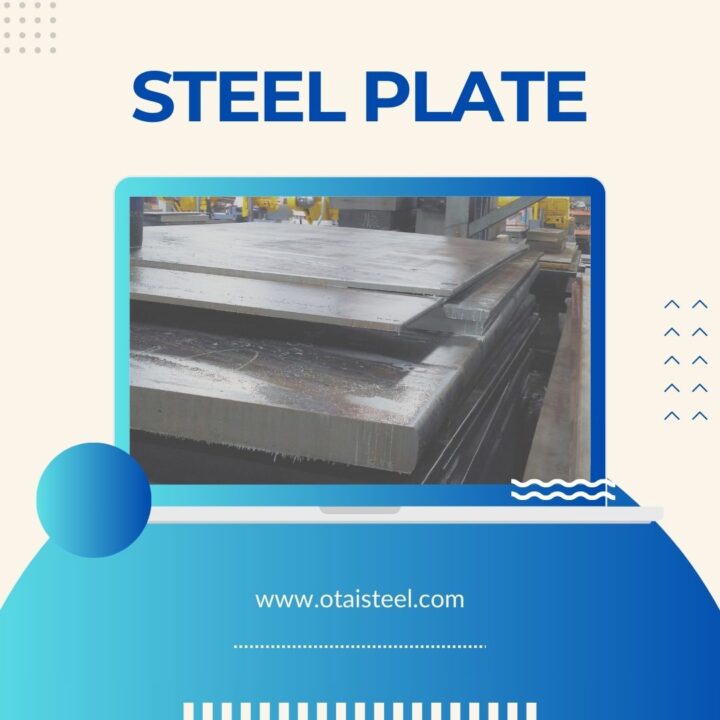
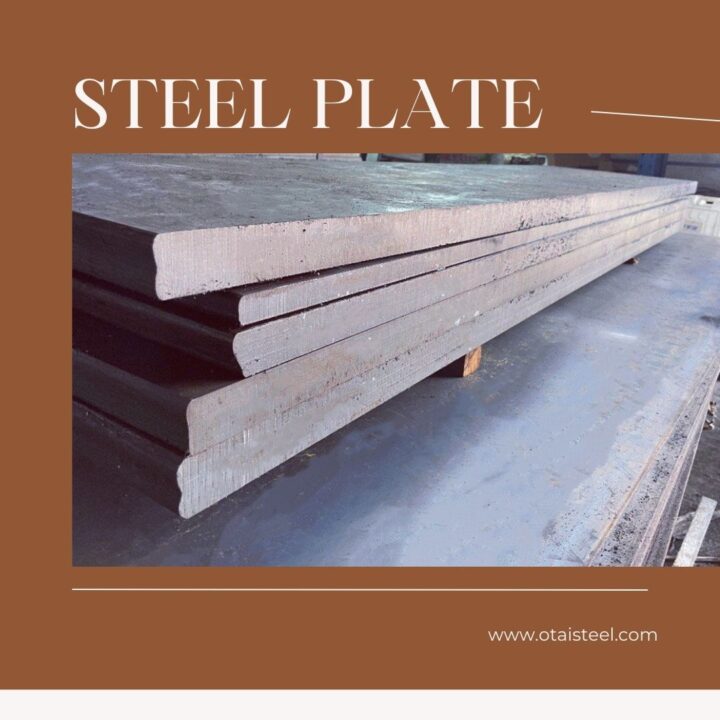
Dimensional requirements can affect material yield, machining time, and the amount of scrap generated during production. For 4140 steel plate, specify the required thickness, width, and length, together with tolerances and cutting instructions. A supplier’s nominal size range does not necessarily mean that every size is immediately available.
Distinguish nominal dimensions from finished dimensions
Before requesting a quotation, determine whether you need standard plate dimensions, saw-cut blanks, or precision-machined pieces. If your workshop will machine all surfaces, you may need additional stock allowance. Conversely, near-net-size blanks may reduce machining time but require tighter cutting and dimensional controls.
Confirm the following items in writing:
- Nominal thickness, width, and length.
- Permitted dimensional deviations and the standard used to define them.
- Cutting method and any requirements for squareness, flatness, or parallelism.
- Surface condition, including whether mill scale, rust, or local surface defects are acceptable.
- Required machining allowance and whether dimensions refer to the supplied blank or finished component.
- Identification and marking requirements after cutting.
Match inspection requirements to the application
For general machining, conventional dimensional checks may be sufficient. For precision tooling, close-tolerance components, or critical assemblies, the drawing may require additional checks for flatness, thickness variation, surface condition, or other characteristics.
Define the inspection method and acceptance limits before production. Otherwise, the buyer and supplier may interpret terms such as “precision cut” or “tight tolerance” differently.
Surface quality also deserves attention. A visual inspection can identify obvious defects, but it does not replace a specified nondestructive test when internal soundness is important. If ultrasonic testing or another inspection method is mandatory, state the applicable procedure, acceptance level, and reporting requirements in the purchase order.
Confirm the actual available size
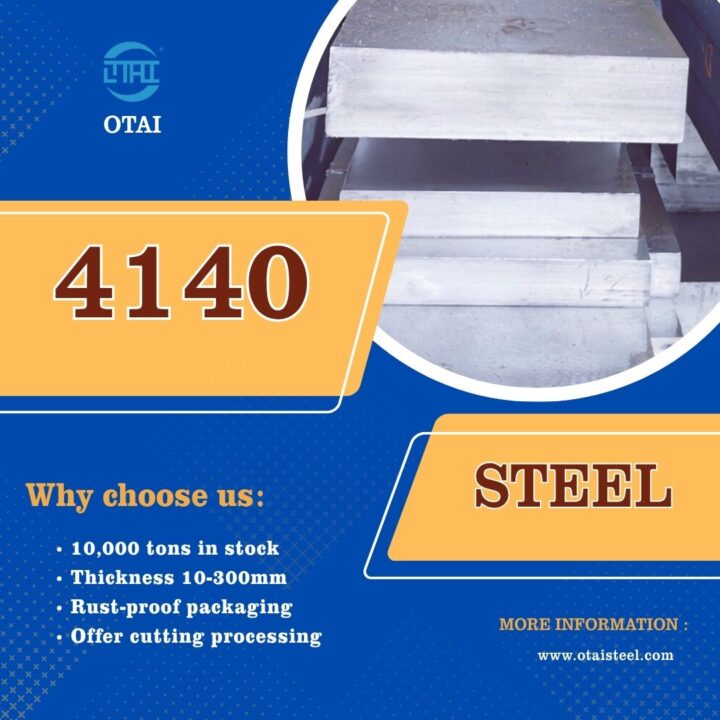
Otai’s stated stock range for 4140 plate is 4–380 mm in thickness, while 4140 QT plate is listed in the 13–200 mm thickness range. These ranges help buyers identify potential supply options, but the actual size, quantity, condition, and delivery schedule still require confirmation.
For the official product information, see 4140 alloy steel and 4140 steel plate. Share your required dimensions and delivery condition when requesting a quotation so the supplier can check the most suitable stock and processing route.
📑 Standards, MTCs, and Inspection Requirements
Standards define the requirements that govern a material order, while the material test certificate records information about the supplied material. Buyers should identify the applicable specification clearly instead of assuming that a grade name automatically determines every acceptance requirement.
Confirm the governing standard
AISI 4140 is a widely recognized grade designation, but a purchase may also refer to an ASTM, SAE, or other applicable specification. The relevant document can define chemical limits, product requirements, testing, or delivery conditions. Not every standard covers the same requirements, and the correct specification depends on the product and intended application.
If your drawing or customer specification names a particular standard and edition, pass that information to the supplier. If you allow an alternative standard, document the permitted alternative and have the responsible engineering or quality team approve it.
Review the material test certificate
For a typical steel purchase, the certificate review should address the following points:
- Material identification: Grade, product description, dimensions, and relevant specification.
- Traceability: Heat number or other identification linking the document to the delivered material.
- Chemical analysis: Reported results checked against the specified limits.
- Mechanical testing: Actual results where the order requires mechanical properties or hardness tests.
- Delivery condition: Confirmation of the agreed condition, where applicable.
- Inspection results: Nondestructive testing, dimensional reports, or third-party inspection records when required by contract.
Agree inspection scope before shipment
Not every order requires the same level of inspection. A standard machining order may need routine certification and traceability, while a safety-critical or customer-controlled application may require additional testing and independent verification.
Specify who performs each inspection, which standard applies, what constitutes acceptance, and which records the supplier must provide. If third-party inspection is required, agree on the inspection agency, inspection stage, and reporting format before the shipment date.
Finally, check that the purchase order, certificate, packing list, and material markings are consistent. Resolving discrepancies before dispatch is usually easier than correcting documentation after the steel reaches your facility.
⚖️ How to Compare 4140 Steel Specifications
When several suppliers quote 4140 steel, a side-by-side review helps reveal differences that a price comparison alone can miss. Use the same technical requirements for every quotation so that you can compare equivalent offers.
Use a technical comparison matrix
| Comparison point | Question to ask | Potential purchasing impact |
|---|---|---|
| Grade and standard | Does the offer meet the same specification? | Reduces the risk of comparing non-equivalent materials |
| Delivery condition | Is the material annealed, QT, or supplied in another condition? | Affects machining, processing, and final properties |
| Dimensions and tolerances | Are all dimensions and tolerances identical? | Influences material yield and machining costs |
| Certification | Does the offer include the required MTC and traceability? | Supports quality assurance and customer audits |
| Inspection | Are special tests and third-party checks included? | Avoids unexpected testing charges and delays |
| Delivery and packaging | Are lead time, cutting, marking, and export packaging specified? | Reduces receiving problems and schedule uncertainty |
Evaluate equivalent grades carefully
Buyers may encounter related designations such as 42CrMo4 or SCM440 when sourcing chromium-molybdenum alloy steel. These grades can have comparable characteristics, but a similar designation does not guarantee full interchangeability in every application.
Before accepting a substitute, compare the governing standards, chemical limits, mechanical requirements, delivery condition, product dimensions, and certification. Your engineering team should assess whether the proposed alternative meets the component’s design and service requirements. Do not approve a substitution based only on a supplier’s statement that two grades are equivalent.
Look beyond the lowest unit price
A lower quoted price may not represent the lowest overall cost if the material needs extra machining, additional testing, corrective processing, or replacement. Compare the complete delivered offer, including cutting, documentation, packaging, freight terms, and any agreed inspection services.
For recurring purchases, also consider the supplier’s ability to maintain consistent specifications, provide traceable documentation, and support repeat orders. These factors can improve purchasing efficiency over the life of a project.
💰 Purchasing Decisions That Affect Cost and Lead Time
Accurate specifications help suppliers select suitable stock and processing options. They also reduce the need for repeated quotation revisions. To obtain a useful offer, provide the information that affects material selection, preparation, inspection, and shipping.
Prepare a complete RFQ
Your request for quotation should include:
- Grade designation and governing standard.
- Required product form, thickness, width, length, and quantity.
- Delivery condition and target mechanical properties or hardness.
- Dimensional tolerances, cutting requirements, and machining allowance.
- Required certificate type, traceability, and special inspection scope.
- Packaging, marking, destination, and requested delivery date.
If any requirement remains undecided, identify it as an open item instead of allowing the supplier to assume a value. This approach makes the quotation easier to evaluate and gives both parties a clear basis for final confirmation.
Understand the main cost drivers
Material grade and size are only part of the final price. The delivery condition, available stock dimensions, cutting losses, machining work, heat treatment, inspection, packaging, and shipment requirements can also affect the total cost.
For example, a buyer who needs several accurately cut blanks may benefit from a supplier that can provide suitable stock and cutting services together. However, the savings depend on the actual cutting allowance, blank geometry, tolerances, and machining plan. Request a quotation based on the finished supply requirement rather than comparing unrelated stock formats.
Confirm availability and delivery conditions
Ask the supplier to confirm the required quantity, actual dimensions, material condition, inspection documents, and estimated dispatch date. If the project needs a specific heat or batch, state that requirement before the supplier allocates material.
For international shipments, confirm corrosion protection, bundling or wooden-crate packaging, shipping marks, and the documents needed at destination. Clear packaging instructions help protect the steel during handling and transport.
Before releasing the purchase order, ensure that the quotation and final order contain the same technical requirements. Any later changes to dimensions, hardness, inspection, or delivery condition should receive written approval from the relevant parties.
🏭 Why Source 4140 Steel from Otai Special Steel?
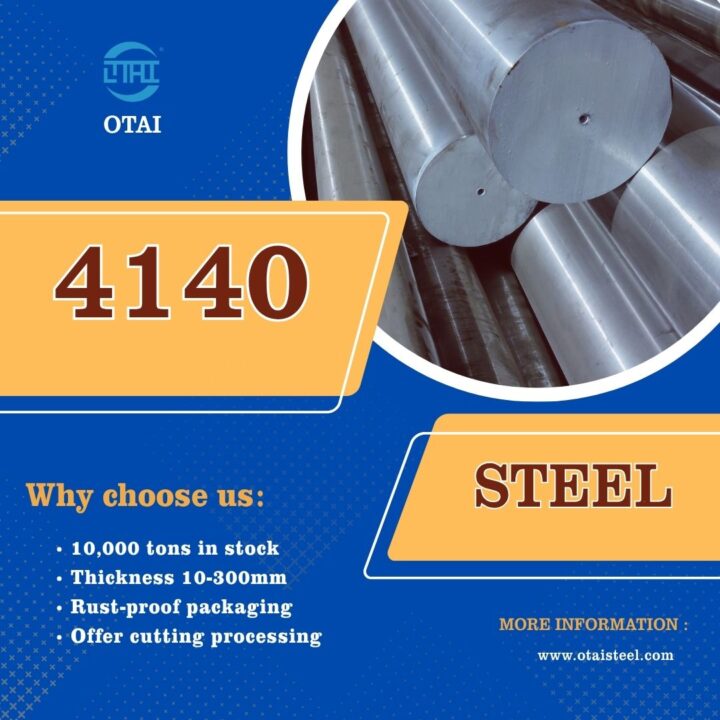
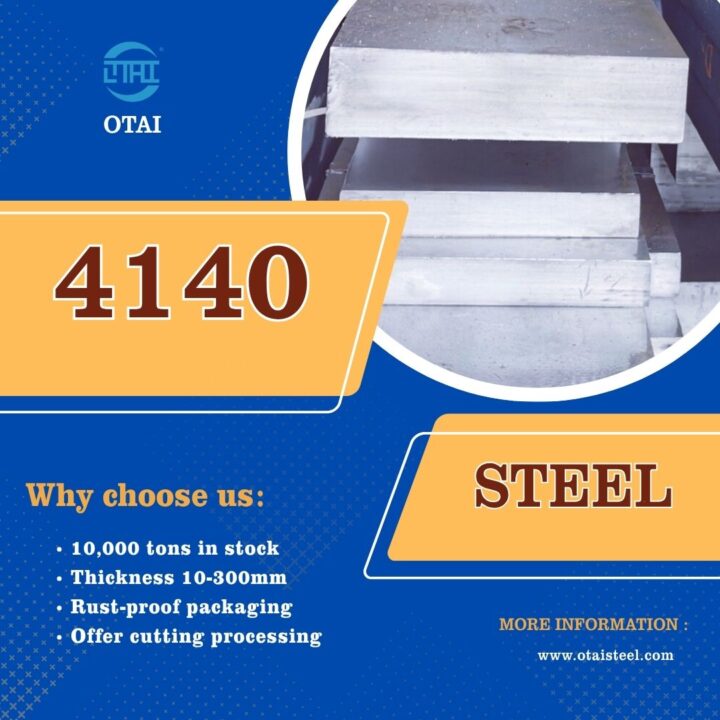
Otai Special Steel supplies alloy steel and tool steel to international industrial customers. When sourcing 4140 steel, buyers can discuss product specifications, available stock, cutting requirements, documentation, and export preparation with the team.
- 4140 plate stock: Thickness range of 4–380 mm; 4140 quenched-and-tempered (QT) plate thickness range of 13–200 mm. Actual sizes, quantities, and delivery conditions require confirmation.
- Established export experience: Serving international markets since 1999, with exports to more than 54 countries.
- Stock capability: More than 10,000 tons of steel stock across the company’s product range, subject to grade and size availability.
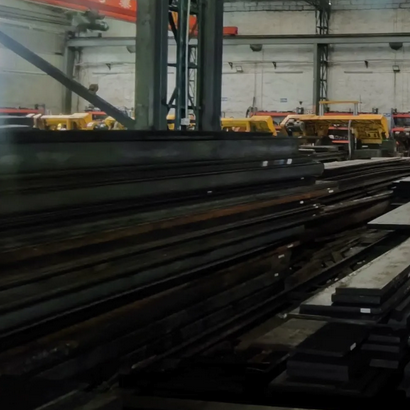
- Cutting capacity: 20 saw-cutting machines support material preparation and cutting to requested dimensions.
- Machining services: CNC machining and grinding options can be discussed according to the required geometry and tolerance.
- Customized supply: Buyers can request specific dimensions, cutting allowances, and tolerances for review.
- Documentation and quality checks: Material certificates and traceability can be discussed; ultrasonic testing and third-party inspection can be arranged where applicable and agreed.
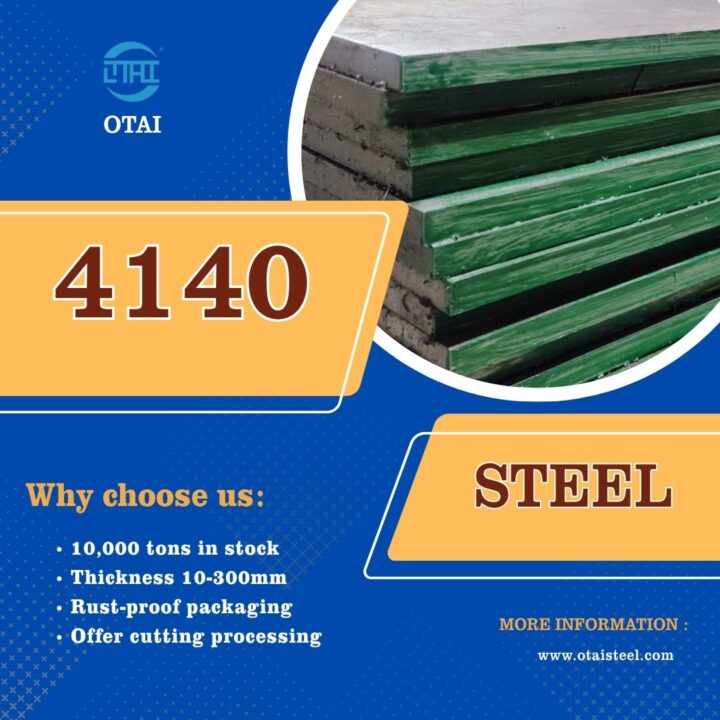
- Export preparation: Bundled, wooden-crate, and anti-rust packaging options can be specified according to the shipment and customer requirements.
- One-stop service: Material supply, cutting, machining, and related processing requirements can be coordinated according to the order scope.
- Procurement support: The team can review technical requirements and available supply options to help buyers compare material, processing, and delivery needs.
For a more accurate quotation, provide the required 4140 plate dimensions, quantity, delivery condition, target properties, and inspection requirements. Review the official 4140 alloy steel product page, then contact Otai to confirm current stock and the specifications available for your order.
❓ Frequently Asked Questions
1. What are the most important 4140 steel specs to check before purchasing?
Start with the grade and governing standard, chemical composition, product dimensions, delivery condition, required mechanical properties, hardness, tolerances, and inspection documents. The exact priorities depend on the application. Confirm these items in the purchase order so that the supplier can quote against clear acceptance criteria.
2. Does AISI 4140 have one fixed tensile strength and hardness?
No. Tensile strength, yield strength, and hardness depend on factors such as delivery condition, heat treatment, section size, and testing requirements. Use values defined by the applicable specification or agreed purchase requirements, and verify actual results through the relevant test report or MTC.
3. What is the difference between 4140 annealed and 4140 QT steel?
Annealed 4140 is generally supplied in a softer condition that can suit machining and subsequent processing. Quenched-and-tempered 4140 has undergone hardening and tempering to achieve a specified balance of strength, hardness, and toughness. The right option depends on the manufacturing route and component requirements.
4. Can 42CrMo4 or SCM440 replace AISI 4140?
These grades are often considered comparable, but they should not be treated as automatically interchangeable. Check the applicable standards, chemistry limits, mechanical properties, dimensions, delivery condition, and certification. Obtain engineering approval before substituting one grade for another in a controlled design or customer specification.
5. What documents should a supplier provide for 4140 steel?
Requirements vary by order, but buyers commonly request a material test certificate with traceable material identification and chemical analysis. Depending on the specification, the order may also require mechanical test results, hardness reports, dimensional inspection, ultrasonic testing, or third-party inspection records. Agree on the required documents and acceptance criteria before shipment.