4140 Steel DIN Equivalent: Which Standard Should Buyers Specify?
📑 Table of Contents
- 🔍 Why Does the DIN Equivalent Matter When Buying 4140 Steel?
- 📋 AISI 4140, DIN 42CrMo4 and Material Number 1.7225
- 📚 DIN vs EN Standards: What Has Changed?
- ⚗️ How Do Chemical Composition Requirements Differ?
- ⚙️ Which Mechanical Property Requirements Should Be Specified?
- 🔥 How Does the Delivery Condition Affect Standard Selection?
- 📏 Do Product Form and Dimensions Change the Applicable Requirements?
- 📝 How to Write the Correct 4140 Steel Specification in a Purchase Order?
- 🏢 Why Source 4140 Steel from Otai?
- ❓ Frequently Asked Questions
When international buyers search for the 4140 steel DIN equivalent, they usually encounter 42CrMo4 and material number 1.7225. These designations refer to a European chromium-molybdenum alloy steel commonly compared with AISI/SAE 4140. However, identifying a comparable grade is only the first step in preparing a correct purchasing specification.
A steel purchase order must define more than the material name. It should also identify the governing standard, product form, dimensions, delivery condition, mechanical requirements, inspection level and certificate requirements. Without these details, two suppliers may quote materials carrying similar grade names but offer products with different technical conditions.
For buyers sourcing 4140 steel for machinery, automotive components, hydraulic equipment or industrial parts, understanding the relationship between AISI 4140, DIN 42CrMo4 and EN standards helps prevent specification misunderstandings. This article explains which standard information buyers should provide and how to check whether a proposed material meets the original requirements.
🔍 Why Does the DIN Equivalent Matter When Buying 4140 Steel?
International suppliers may use different grade designations
AISI 4140 is widely recognized in North American and international steel markets. European customers, however, often specify 42CrMo4 or 1.7225 in their drawings and purchasing documents. Both materials belong to the chromium-molybdenum alloy steel family and have similar general applications.
This difference in terminology can create confusion during international purchasing. A buyer may request 4140 steel, while a European drawing specifies 42CrMo4. A supplier may then offer 1.7225 because it is the material number associated with 42CrMo4. Although these references are closely related, the buyer still needs to establish which technical specification governs the order.
A grade name alone does not define the complete product
Consider a buyer who needs a quenched and tempered steel plate for a machine component. The drawing identifies AISI 4140, but the supplier offers 42CrMo4. If the quotation only confirms the alternative grade name, several questions remain unanswered:
- Which chemical composition limits will the supplier follow?
- Which product standard applies to the plate?
- Will the steel arrive annealed or quenched and tempered?
- What mechanical properties must the delivered material achieve?
- How will the supplier verify the thickness, hardness and internal quality?
These details affect whether the material is suitable for the customer’s manufacturing process. Therefore, buyers should treat an equivalent-grade table as a starting point rather than final approval.
Define the purchasing requirement before comparing quotations
A complete specification helps suppliers quote on the same technical basis. It also allows the purchasing department to compare prices without overlooking differences in delivery condition, inspection or documentation.
The key purchasing principle is to specify the required material standard and product requirements first, then evaluate equivalent grades against them.
📋 AISI 4140, DIN 42CrMo4 and Material Number 1.7225
Understand the three designations
Buyers often see AISI 4140, 42CrMo4 and 1.7225 listed together. These references are related, but they do not serve exactly the same purpose.
| Designation | System | Meaning |
|---|---|---|
| AISI/SAE 4140 | American designation system | A chromium-molybdenum alloy steel grade |
| 42CrMo4 | European designation system | The symbolic grade designation |
| 1.7225 | European material numbering system | The material number assigned to 42CrMo4 |
In other words, 42CrMo4 is the European grade designation, while 1.7225 is its material number. Buyers should not describe them as two separate steel grades. Instead, they should use the designation required by the applicable standard and identify the material number when it helps prevent confusion.
Why is 4140 considered comparable to 42CrMo4?
Both grades use chromium and molybdenum as important alloying elements. Their carbon content also falls within a similar range. These characteristics give them useful hardenability and make them suitable for components that require a combination of strength, toughness and heat-treatment response.
However, their permitted chemical composition ranges and product requirements are not identical in every specification. AISI 4140 and 42CrMo4 should therefore be described as commonly comparable grades, not automatically interchangeable materials.
Do not confuse a material number with a product standard
Material number 1.7225 identifies the European grade, but it does not independently define every requirement for a particular plate, bar or finished component. The applicable product standard establishes additional conditions, such as chemical limits, mechanical properties, heat-treatment requirements and testing rules.
For example, a drawing that specifies 42CrMo4 under a particular European standard provides more purchasing information than one that only states 1.7225. If the buyer wants a supplier to offer AISI 4140 as an alternative, the supplier should compare the complete technical requirements rather than relying on the material number alone.
For product information and supply options, buyers can also review Otai’s 4140 steel plate page.
📚 DIN vs EN Standards: What Has Changed?
DIN and EN identify different levels of standardization
DIN stands for Deutsches Institut für Normung, the German Institute for Standardization. EN identifies a European Standard adopted by the relevant European standardization organizations. A DIN EN document is a European Standard adopted as a German national standard.
This distinction matters because many buyers continue to use the term DIN when referring to European steel grades. A drawing may identify 42CrMo4 as a DIN grade, even though the technical requirements in the purchasing specification refer to an EN document.
For this reason, buyers should not assume that every older DIN reference remains the current governing standard. They need to check the exact document number and edition specified by the project.
What about EN 10083-3 and EN ISO 683-2?
Older purchasing documents may refer to EN 10083-3 for alloy steels intended for quenching and tempering. The European standardization framework has since moved toward the ISO 683 series for relevant technical delivery requirements. EN ISO 683-2:2018 is an important reference for non-alloy and alloy steels for quenching and tempering, including grades such as 42CrMo4.
However, a newer standard does not automatically replace the requirements written into an existing customer drawing or contract. If a drawing specifies an older edition, the buyer should not silently change it when placing an order. Any proposed update should receive approval from the responsible engineering or quality department.
Which standard should buyers put in the RFQ?
The correct reference depends on the customer’s application, product form and contractual requirements. The following table gives examples of standards and designation systems buyers may encounter. It is not a statement that every document listed is interchangeable or applicable to every product form.
| Reference | Purpose or scope to consider | Buyer action |
|---|---|---|
| SAE J404 | Chemical composition requirements for SAE alloy steels | Confirm the required grade and chemistry |
| ASTM A29/A29M | General requirements for hot-wrought carbon and alloy steel bars | Check whether the bar product specification applies |
| ASTM A322 | Alloy steel bars for specified applications and requirements | Confirm the product and grade requirements |
| EN 10083-3 | Legacy European reference for alloy steels for quenching and tempering | Check the edition stated in the drawing or contract |
| EN ISO 683-2 | European/international requirements for relevant alloy steels for quenching and tempering | Specify the applicable edition and product requirements |
These standards do not all perform the same function. For instance, a chemical composition standard cannot replace a product standard that defines mechanical testing and delivery conditions. Likewise, a general bar specification should not be applied to a plate without checking the relevant product requirements.
Buyers should state the complete standard reference, including its edition where required, instead of writing only “DIN 4140” or “4140 equivalent.”
⚗️ How Do Chemical Composition Requirements Differ?
Compare the actual limits, not just the alloy family
AISI 4140 and 42CrMo4 both contain carbon, manganese, silicon, chromium and molybdenum. Nevertheless, their composition limits differ in several respects. Buyers should compare the requirements of the exact standards named in the RFQ.
The following table provides commonly referenced composition ranges for AISI 4140 and 42CrMo4. The AISI 4140 values represent commonly cited SAE/ASTM-type grade limits, while the 42CrMo4 values are associated with EN 10083-3 reference chemistry. Always verify the contractual edition and product specification before using these figures for acceptance.
| Element | AISI 4140 (%) | 42CrMo4 (%) |
|---|---|---|
| Carbon (C) | 0.38–0.43 | 0.38–0.45 |
| Silicon (Si) | 0.15–0.35 | 0.10–0.40 |
| Manganese (Mn) | 0.75–1.00 | 0.60–0.90 |
| Phosphorus (P) | Max. 0.035 | Max. 0.025 |
| Sulfur (S) | Max. 0.040 | Max. 0.035 |
| Chromium (Cr) | 0.80–1.10 | 0.90–1.20 |
| Molybdenum (Mo) | 0.15–0.25 | 0.15–0.30 |
Note: These are reference ranges, not a universal acceptance table for every edition or product specification. The applicable standard and its stated requirements take priority.
Why do these differences matter?
Carbon affects the hardness that the steel can achieve during heat treatment. Chromium and molybdenum contribute to hardenability, while manganese also influences hardening response and strength. Therefore, differences in the permitted ranges can affect the final performance of a component.
Phosphorus and sulfur also deserve attention. Their permitted levels can influence toughness and other properties, especially in components exposed to impact or repeated loading. A buyer who needs a specific chemical limit should not assume that a comparable grade automatically meets it.
Standard limits are not the same as actual heat analysis
A standard specifies acceptable composition limits. The actual chemical composition of a delivered batch is recorded in the heat or cast analysis on the material test certificate. This distinction is important when a buyer needs to approve a substitute grade.
For example, a particular 4140 heat may satisfy its own standard but fall outside one or more limits required by the customer’s 42CrMo4 specification. The reverse can also occur. Buyers should therefore compare the actual certificate results against the governing requirements before accepting the material.
When a project requires compliance with two specifications, the supplier should confirm whether the actual heat analysis meets both sets of limits. If it does not, the buyer must evaluate and formally approve any proposed deviation.
⚙️ Which Mechanical Property Requirements Should Be Specified?
Mechanical properties depend on more than the grade
Buyers often focus on tensile strength and hardness when comparing 4140 with 42CrMo4. These values are important, but they cannot define the suitability of the material by themselves. Yield strength, elongation, impact properties and section size may also affect the final application.
More importantly, mechanical properties depend on the delivery condition and heat-treatment process. A soft-annealed product and a quenched-and-tempered product made from the same grade will not have the same mechanical performance.
| Property | Why it matters | What to specify |
|---|---|---|
| Tensile strength | Indicates resistance to tensile loading before fracture | Required range or minimum value |
| Yield strength | Indicates resistance to permanent deformation | Minimum value for the relevant section |
| Elongation | Shows the material’s ductility during tensile testing | Minimum percentage and test method |
| Hardness | Helps assess resistance to indentation and machining condition | Hardness scale, range and measurement location |
| Impact toughness | Indicates energy absorption under impact loading | Test temperature and required energy, if applicable |
Specify the product size and test basis
A thick plate and a small-diameter bar may respond differently to the same heat-treatment cycle. During quenching, the surface cools faster than the center of a large section. This difference can influence the resulting microstructure, hardness distribution and mechanical properties.
Consequently, a buyer should not apply mechanical values from a small bar to a thick plate without checking the relevant standard and test conditions. The specification should identify the actual product dimensions and the required test location or sampling direction where applicable.
Do not compare unrelated test results
A quotation may show a tensile strength value for 4140, while another supplier provides a hardness value for 42CrMo4. These figures do not establish which material is better or whether they are interchangeable. The comparison must use the same property, comparable delivery conditions and relevant product dimensions.
For critical components, buyers should define the required mechanical properties before requesting quotations. This allows suppliers to confirm whether their proposed material can meet the application requirements and provide the appropriate inspection records.
🔥 How Does the Delivery Condition Affect Standard Selection?
Annealed, normalized and quenched-and-tempered conditions
Delivery condition is an important part of a steel purchasing specification. Even when two products share a comparable chemical composition, their hardness, machinability and mechanical properties can differ because of the processing route.
For 4140 and 42CrMo4, buyers commonly encounter annealed and quenched-and-tempered products. Normalized material may also be specified where the applicable product standard and supplier process support that condition.
| Condition | Main purpose | Purchasing consideration |
|---|---|---|
| Annealed (+A) | Provides a softer condition for machining and further processing | Confirm hardness and annealing requirements |
| Normalized (+N) | Produces a refined structure through controlled heating and air cooling | Confirm the required mechanical properties |
| Quenched and tempered (+QT) | Develops a combination of strength and toughness | Specify hardness and mechanical test requirements |
Choose the condition according to the manufacturing process
If the customer plans to machine a component before carrying out its own heat treatment, an annealed delivery condition may be appropriate. The softer condition can make cutting operations easier and help reduce tool wear compared with a harder supply condition.
By contrast, a customer who needs material with specified mechanical properties before machining may request quenched-and-tempered steel. In this case, the purchase order should state the required hardness or mechanical property range, not simply the words “QT steel.”
Make the delivery condition part of the standard review
When comparing a 4140 quotation with a 42CrMo4 offer, buyers should confirm that both materials are supplied in the same condition or that the proposed difference has been technically approved. A grade comparison without this information can produce misleading price and performance evaluations.
Also, the final heat treatment of a machined component may differ from the original supply condition. If the customer will perform additional hardening or tempering, the supplier needs to understand the intended process when confirming the material and its condition.
📏 Do Product Form and Dimensions Change the Applicable Requirements?
Plates and round bars may follow different product requirements
AISI 4140 is available in several product forms, including plates, round bars and other processed products. The applicable purchasing standard may depend on the product form, manufacturing route and intended application.
For example, a buyer ordering hot-rolled alloy steel bars may use a different product specification from a buyer ordering a quenched-and-tempered plate. The grade designation can remain 4140, but the dimensional tolerances, mechanical testing and delivery requirements may differ.
Why thickness and diameter matter
Product dimensions influence heat transfer during cooling and heat treatment. A thick section may develop a different hardness profile from a thin section. This is why some standards define mechanical requirements according to size ranges rather than providing one universal value for every dimension.
When ordering 4140 or 42CrMo4, buyers should identify:
- Product form: plate, flat bar, round bar or another required form.
- Thickness or diameter, width and length.
- Delivery condition and any additional heat-treatment requirements.
- Dimensional tolerances and surface finish.
- Mechanical property requirements for the relevant section size.
- Inspection requirements, including ultrasonic testing where specified.
Internal quality and traceability
For thick plates and components exposed to significant mechanical loads, buyers may require additional internal quality inspection. Ultrasonic testing can help identify certain internal discontinuities, subject to the selected testing standard, acceptance level and inspection procedure.
Buyers should define the inspection method and acceptance criteria in advance. Simply requesting “UT tested” does not explain the required testing level or the conditions for accepting the material.
Traceability also matters after cutting. If a supplier cuts a large plate into smaller pieces, the identification system should preserve the relationship between the delivered pieces and the original heat or batch certificate. This helps the buyer maintain quality records throughout manufacturing.
Check the product standard before accepting an alternative
A supplier may offer a comparable grade but use a different product standard. That difference should be reviewed before the purchase order is confirmed. The buyer should establish whether the proposed standard covers the required product form, dimensions, mechanical properties and inspection conditions.
📝 How to Write the Correct 4140 Steel Specification in a Purchase Order?
Include the information suppliers need to quote accurately
A clear RFQ or purchase order reduces the risk of receiving an unsuitable material. Instead of writing only “4140 steel” or “DIN equivalent,” buyers should provide the full technical information available from the drawing or project specification.
The following checklist can help purchasing teams prepare a more complete inquiry:
| Specification item | Example of information to provide |
|---|---|
| Material grade | AISI/SAE 4140 or an approved 42CrMo4 alternative |
| Governing standard | Exact standard number and edition required by the project |
| Product form | Plate, flat bar or round bar |
| Dimensions | Thickness or diameter, width and length |
| Delivery condition | Annealed, normalized or quenched and tempered |
| Mechanical requirements | Hardness, tensile strength, yield strength and impact requirements where applicable |
| Inspection | MTC, ultrasonic testing, third-party inspection or other agreed tests |
| Quantity and delivery | Required weight or pieces, cutting needs and delivery destination |
Example of a clearer purchasing description
A buyer who needs 4140 plate can prepare an inquiry using a description such as:
Material: AISI/SAE 4140 alloy steel plate
Standard: Applicable project material and product standard, with edition stated
Dimensions: Thickness × width × length as specified in the drawing
Delivery condition: Quenched and tempered
Inspection: Material test certificate with heat analysis and required mechanical test results
Additional requirements: Ultrasonic testing and acceptance criteria if specified
This example is a purchasing template, not a universal technical specification. The buyer must insert the actual standard, dimensions, property limits and inspection requirements from the approved drawing or engineering document.
How should a supplier propose 42CrMo4 as an alternative?
If a supplier wants to offer 42CrMo4 against a request for AISI 4140, the quotation should identify the proposed grade and governing standard clearly. The supplier should also provide the relevant chemical composition, delivery condition and available mechanical test information.
The buyer can then compare the offer against the original requirements. If any limit or condition differs, the supplier should list the deviation rather than presenting the alternative as automatically compliant. The customer’s engineering or quality team can review the difference and approve or reject the substitution.
Review the MTC before accepting the shipment
After production, the material test certificate should identify the grade, standard, heat number and actual test results. Buyers should check that the certificate matches the order and that the material markings preserve traceability.
For international orders, it is also useful to agree on cutting tolerances, anti-rust protection, bundling and export packaging before shipment. These details help prevent disputes during receiving inspection and reduce the risk of delays at the customer’s facility.
🏢 Why Source 4140 Steel from Otai?
- Long-term export experience: Otai has supplied steel to international customers since 1999 and serves buyers in more than 54 countries.
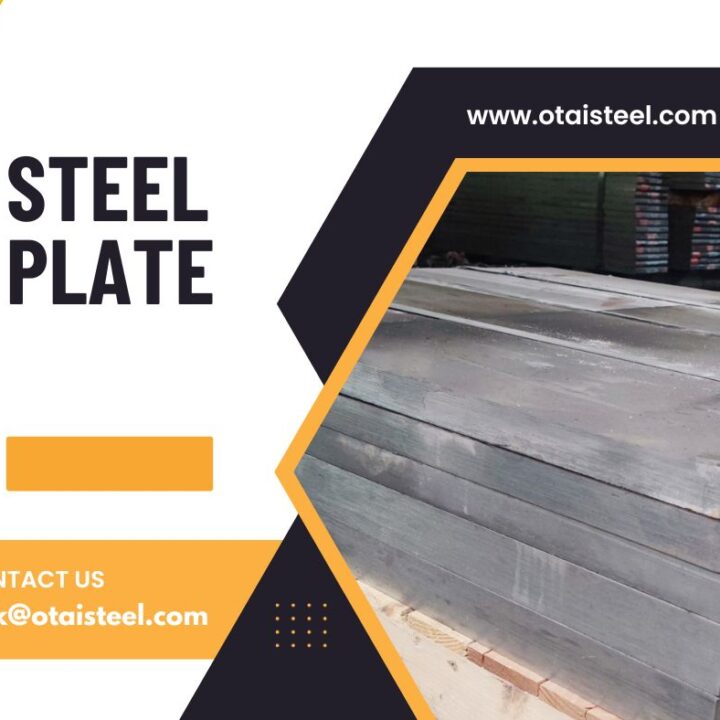
- 4140 plate stock: Plate thicknesses from 4–380 mm, subject to current inventory confirmation.
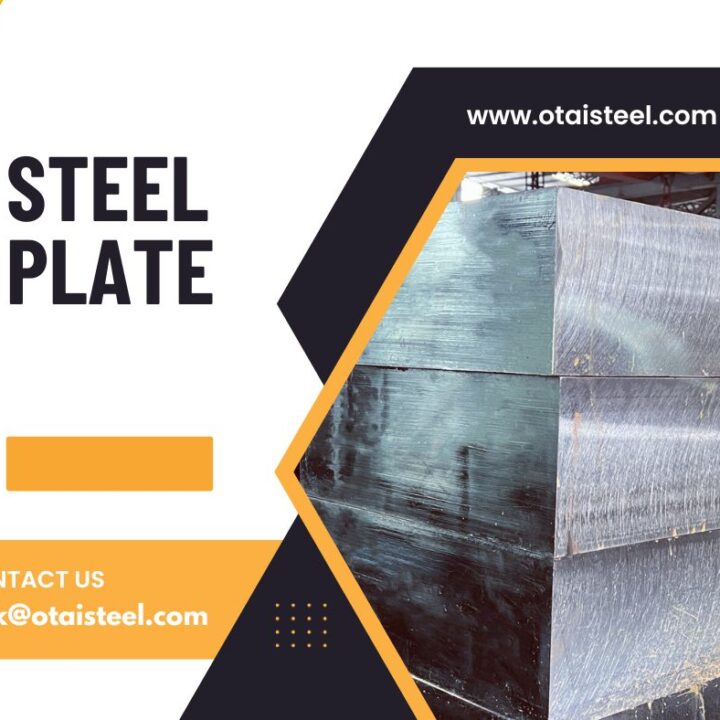
- 4140 QT plate stock: Quenched-and-tempered plate thicknesses from 13–200 mm, subject to availability.
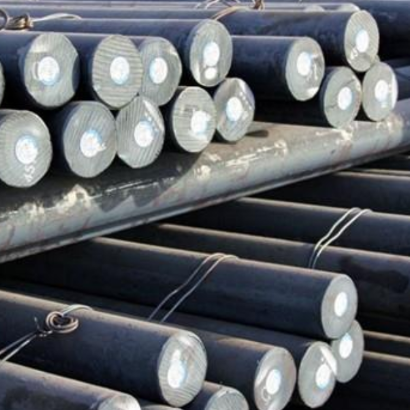
- 4140 round bar stock: Diameters from 14–500 mm, subject to current inventory confirmation.
- Cutting capacity: 20 saw-cutting machines support different cutting dimensions and order requirements.
- Machining services: CNC machining and grinding help customers obtain specified dimensions and tolerances.
- Customized processing: Cutting and dimensional services can be arranged according to the customer’s drawings and technical requirements.
- Quality support: Material testing, ultrasonic testing and third-party inspection support can be arranged according to the agreed order requirements.
- Export packaging: Anti-rust protection, strapping and wooden-case packaging help protect steel during international transportation.
- One-stop service: Otai coordinates material supply, cutting, processing, inspection and export packaging.
- Overall inventory: More than 10,000 tons of stock across different steel grades and product types. This is the company’s total inventory, not the quantity of 4140 alone.
When requesting a quotation for 4140 steel, buyers can provide the required standard, dimensions, delivery condition and inspection requirements. Otai can review the inquiry and confirm suitable stock and processing options. If a project permits 42CrMo4 as an alternative, buyers should also provide the original technical specification so that the proposed material can be checked against the required conditions.
Visit the 4140 steel product page for further product information and supply inquiries.
❓ Frequently Asked Questions
1. What is the DIN equivalent of AISI 4140 steel?
The commonly referenced European equivalent is 42CrMo4, with material number 1.7225. These grades have similar alloy systems and applications, but buyers should compare the applicable standards, chemical composition, mechanical requirements and delivery condition before approving substitution.
2. Is DIN 42CrMo4 the same as EN 42CrMo4?
42CrMo4 is the European symbolic grade designation. DIN EN documents are German adoptions of European standards. The grade name may remain the same, but buyers should identify the exact standard and edition because technical requirements can change between standard versions.
3. Is 1.7225 a steel grade or a material number?
1.7225 is the European material number associated with 42CrMo4. The symbolic grade designation is 42CrMo4. Buyers may include both references in purchasing documents to make material identification clearer.
4. Can I write only DIN 4140 in a purchase order?
That description is not sufficiently precise for most technical purchases. AISI/SAE 4140 and DIN/EN 42CrMo4 belong to different designation systems. Buyers should specify the intended grade, governing standard and edition, product form, dimensions, delivery condition and required inspection criteria.
5. What should I check before accepting 42CrMo4 instead of 4140?
Compare the chemical composition limits, actual heat analysis, mechanical properties, product dimensions, delivery condition and inspection requirements. Check that the material certificate matches the approved specification. If the alternative does not meet every original requirement, obtain formal approval for the deviation before accepting the material.