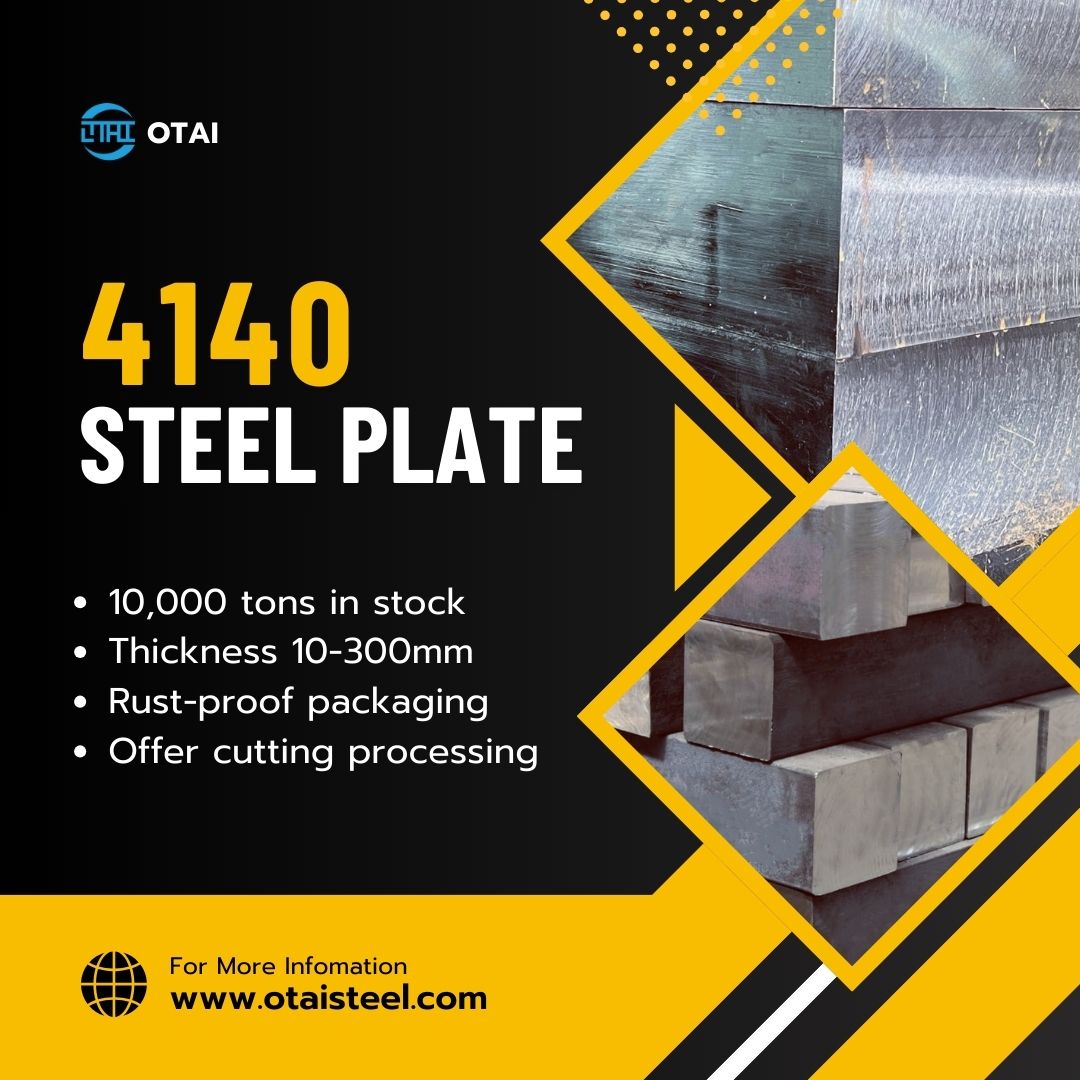
 When selecting materials for high-stress applications, 4140 steel often emerges as the top choice. Known for its excellent mechanical properties, including its yield stress, 4140 steel finds widespread use in industries that demand strength, toughness, and wear resistance. In this article, we’ll dive into the meaning of yield stress for 4140 steel, how it compares to other steels, and why it’s so crucial for industrial applications.
🌟 What is Yield Stress?
Yield stress refers to the amount of stress a material can endure before it begins to deform permanently. Simply put, it’s the point where the material transitions from elastic deformation (where it can return to its original shape) to plastic deformation (where the material undergoes permanent change). Yield stress is a crucial indicator of a material’s ability to resist deformation under load without failing.
For 4140 steel, the yield stress is one of its most defining properties. It ensures that 4140 steel can perform effectively in high-load applications, such as shafts, gears, and crankshafts, which are subjected to substantial mechanical forces.
🔧 4140 Steel Yield Stress: The Numbers
Below is the typical range for 4140 steel yield stress:
| Property | Value |
|---|---|
| Yield Strength | 600 MPa to 900 MPa |
| Heat Treatment Impact | Heat treatment increases yield strength |
| Common Heat Treatment | Quenching and tempering |
What Does This Mean for 4140 Steel?
-
600 MPa to 900 MPa: This range reflects the yield strength of 4140 steel under standard conditions. Proper heat treatment can push 4140 steel to the higher end of this range, increasing its resistance to deformation.
-
Heat Treatment: 4140 steel can undergo quenching and tempering to enhance its yield stress, making it suitable for even more demanding applications.
The high yield stress makes 4140 steel resistant to permanent deformation under mechanical stress, which is crucial in environments where components face continuous high loads.
🏗️ Applications of 4140 Steel
The yield stress of 4140 steel directly influences its suitability for a wide range of industrial applications. Below are some industries and components where 4140 steel is commonly used, thanks to its impressive yield stress:
| Industry | Applications | Reason for Use |
|---|---|---|
| Automotive | Gears, axles, suspension components | High yield stress ensures durability under stress |
| Aerospace | Aircraft landing gear, structural components | Ability to withstand extreme stress and fatigue |
| Oil and Gas | Drill rods, downhole tools | High yield strength to resist high-pressure forces |
| Heavy Machinery | Machine parts, industrial frames | Resistance to deformation under heavy loads |
1. Automotive Industry
In the automotive industry, 4140 steel is widely used for high-performance components like gears, axles, and suspension parts. These components undergo significant mechanical stress. Thanks to its high yield stress, 4140 steel can resist permanent deformation, ensuring that the components maintain their shape and integrity under heavy loads.
2. Aerospace Industry
The aerospace industry requires materials that can withstand extreme stresses, including both static and dynamic loads. 4140 steel excels in components such as aircraft landing gear and structural elements. Its high yield stress allows it to endure the intense mechanical forces encountered during takeoff, landing, and flight.
3. Oil and Gas Industry
In the oil and gas industry, 4140 steel is essential for components like drill rods, downhole tools, and valves. These parts face high pressures and abrasive conditions. The yield stress of 4140 steel ensures that it can withstand these conditions without deforming, making it reliable in deep drilling operations.
4. Heavy Machinery
In heavy machinery, 4140 steel is used in gearboxes, machine frames, and shafts. These parts must endure heavy mechanical loads. Thanks to its high yield stress, 4140 steel resists permanent deformation under these demanding conditions, ensuring long-lasting durability in heavy-duty applications.
🏆 Why Choose Otai Special Steel for 4140 Steel?
Otai Special Steel provides high-quality 4140 steel with several advantages:
-
Large Inventory: With over 10,000 tons of steel in stock, we offer fast and reliable delivery to meet your specific needs.
-
Customization: We provide cutting, heat treatment, and packaging services to tailor 4140 steel to your exact specifications.
-
Quality Assurance: Every batch of 4140 steel undergoes strict testing, including chemical composition analysis, hardness testing, and ultrasonic testing to meet industry standards.
-
Global Expertise: With years of experience, Otai Special Steel delivers top-quality products and services to clients worldwide.
❓ FAQ
Q1: How does the yield stress of 4140 steel compare to other steels?
A1: 4140 steel has a higher yield stress than many other medium-carbon steels. The addition of chromium and molybdenum boosts its strength and resistance to deformation. This makes it ideal for high-performance applications where strength is critical.
Q2: How does heat treatment affect the yield stress of 4140 steel?
A2: Heat treatment, particularly quenching and tempering, significantly increases the yield stress of 4140 steel. By adjusting the heat treatment process, manufacturers can tailor the steel’s properties to meet specific strength requirements for different applications.
Q3: Is 4140 steel suitable for components that face fluctuating stress?
A3: Yes, 4140 steel is highly suitable for applications that experience fluctuating stress. Its high yield stress and excellent fatigue resistance allow it to withstand repeated loading and unloading cycles without permanent deformation.
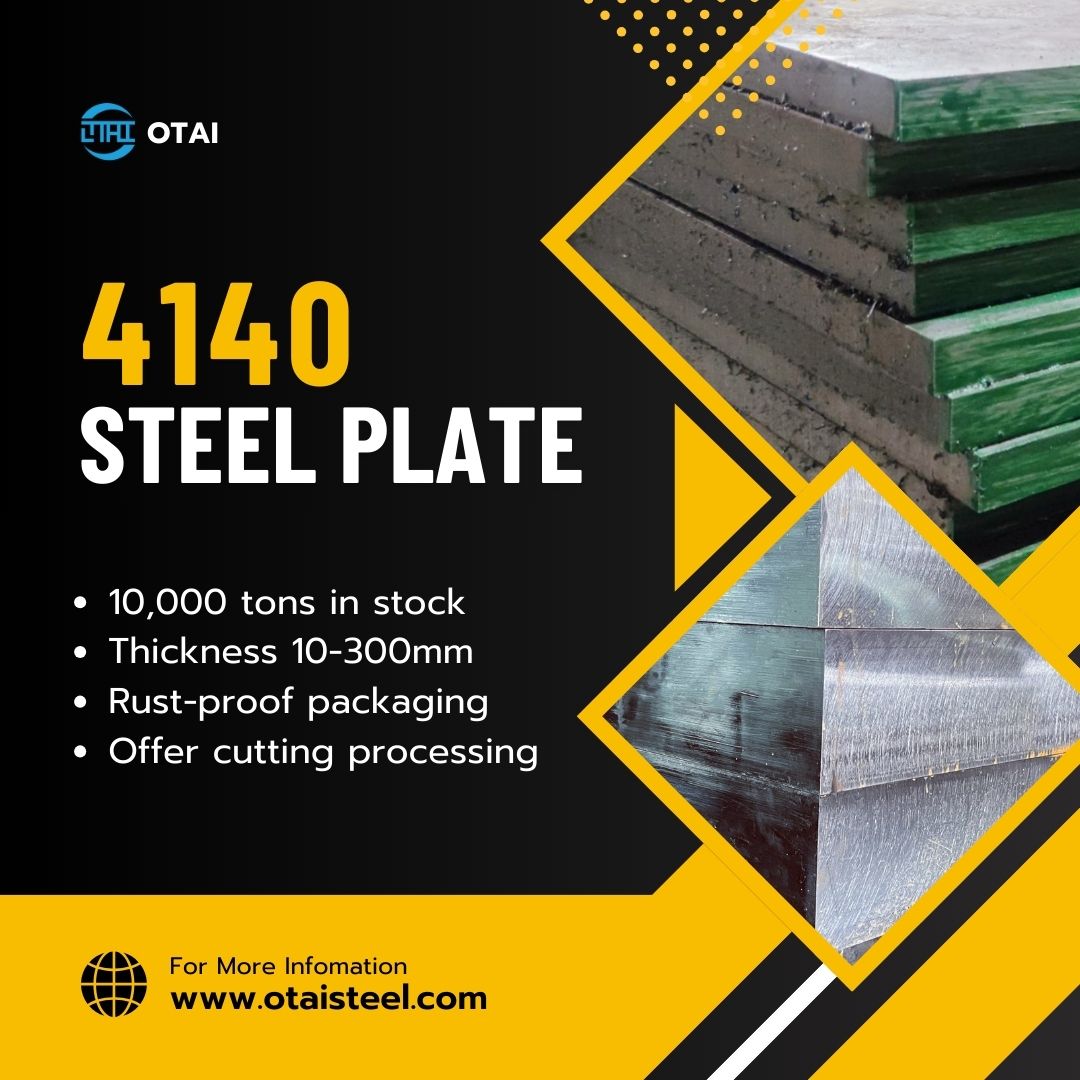 Knowing the 4140 steel equivalent grades
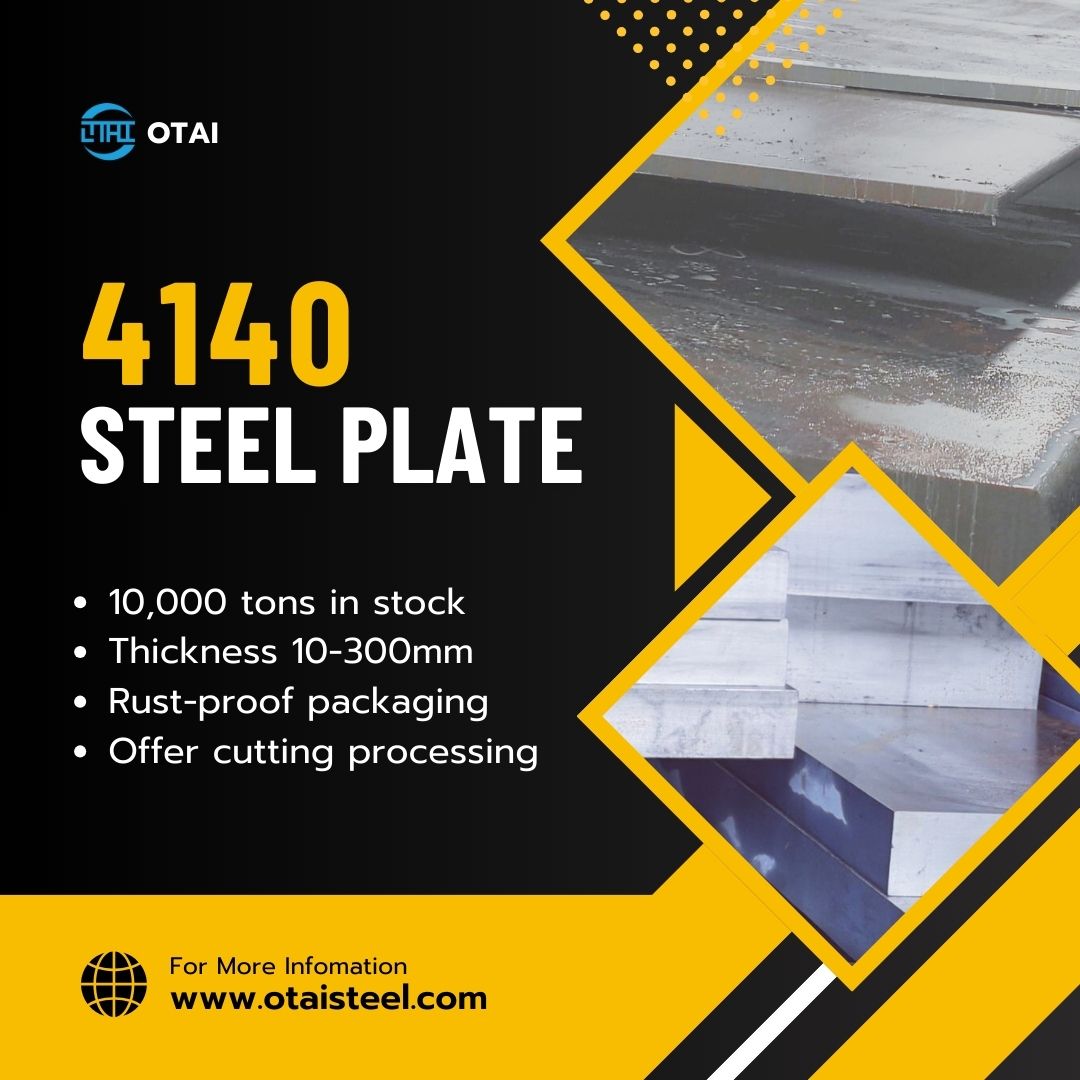 What is 4140 alloy Steel Rockwell Hardness?
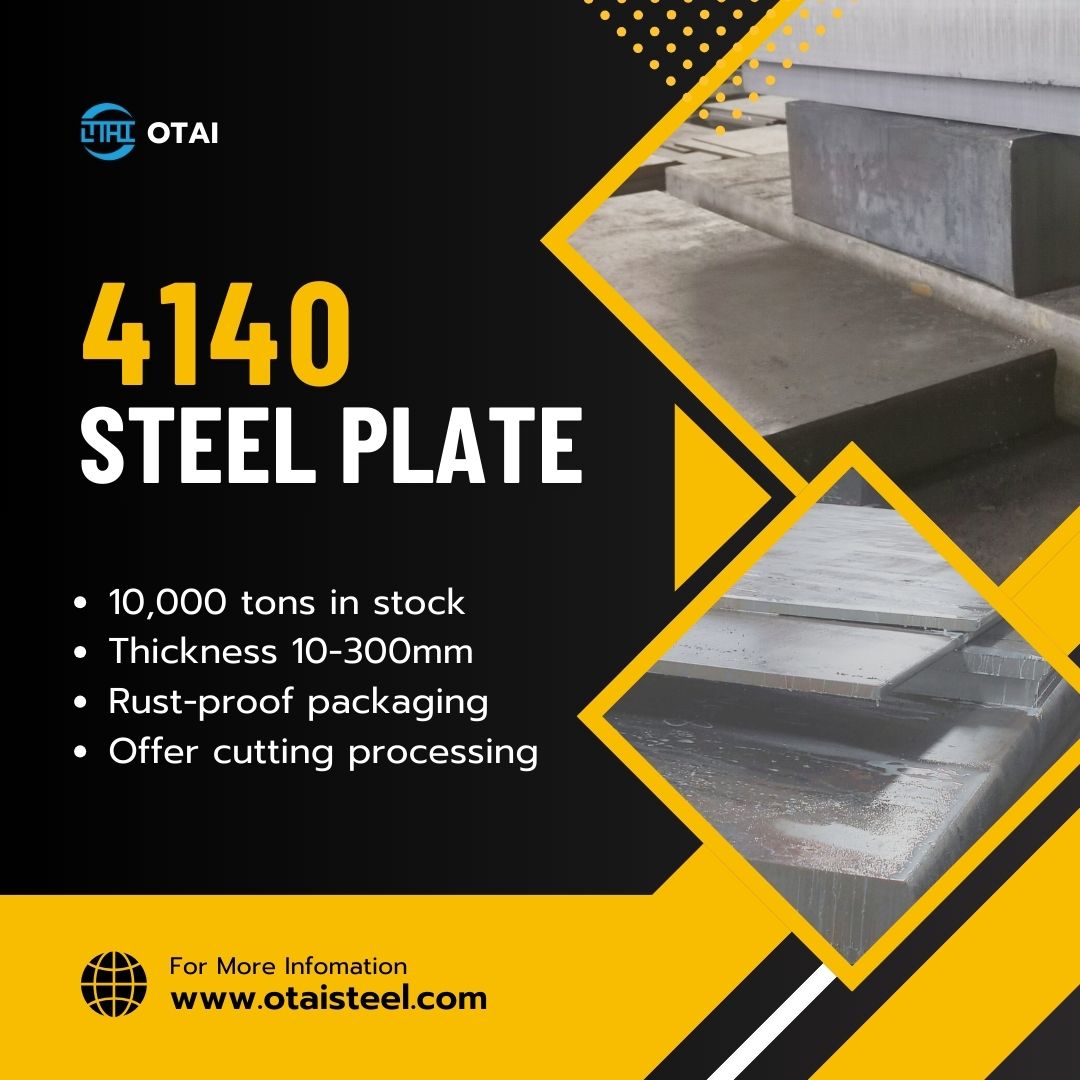 If you work with alloy steels in machining, fabrication, or heat treatment, you’ve probably come across annealing 4140 steel. This process is one of the most effective ways to soften the steel, improve machinability, and prepare it for further forming or heat treatment. But to get it right, you need to understand the temperatures, cooling rates, and metallurgical changes that happen during annealing.
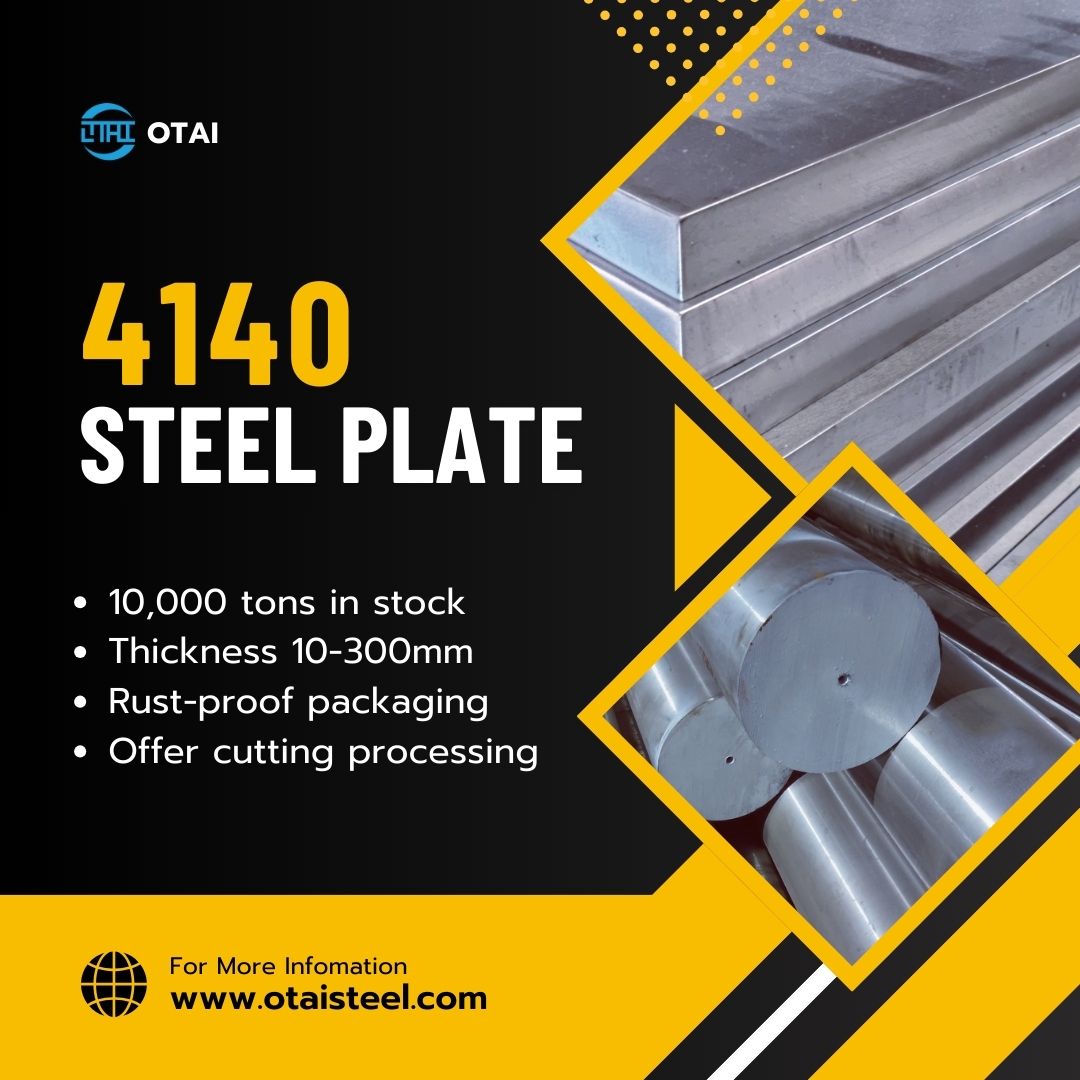 How good is the 4140 steel fatigue strength?
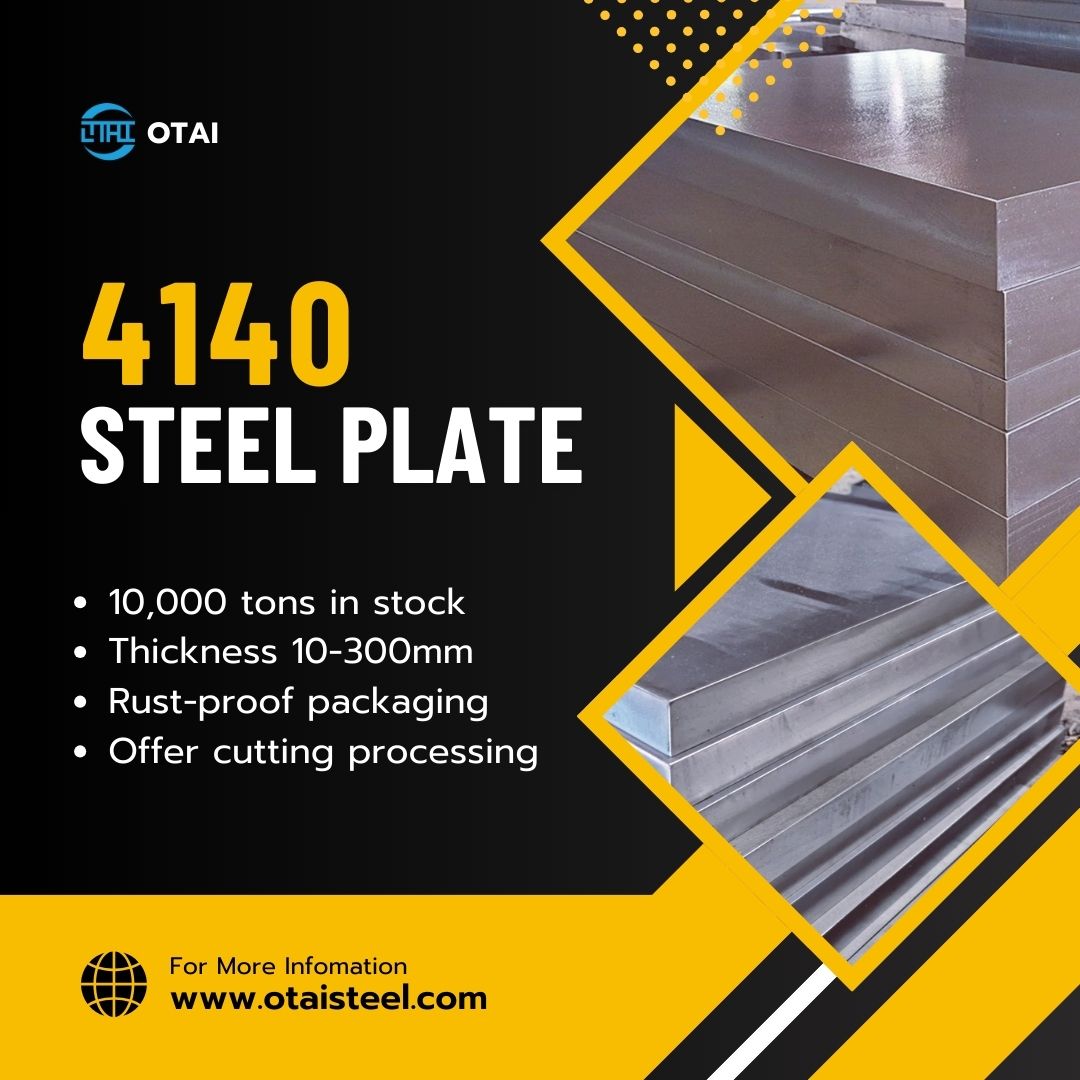 How good is the 4140 steel fatigue strength?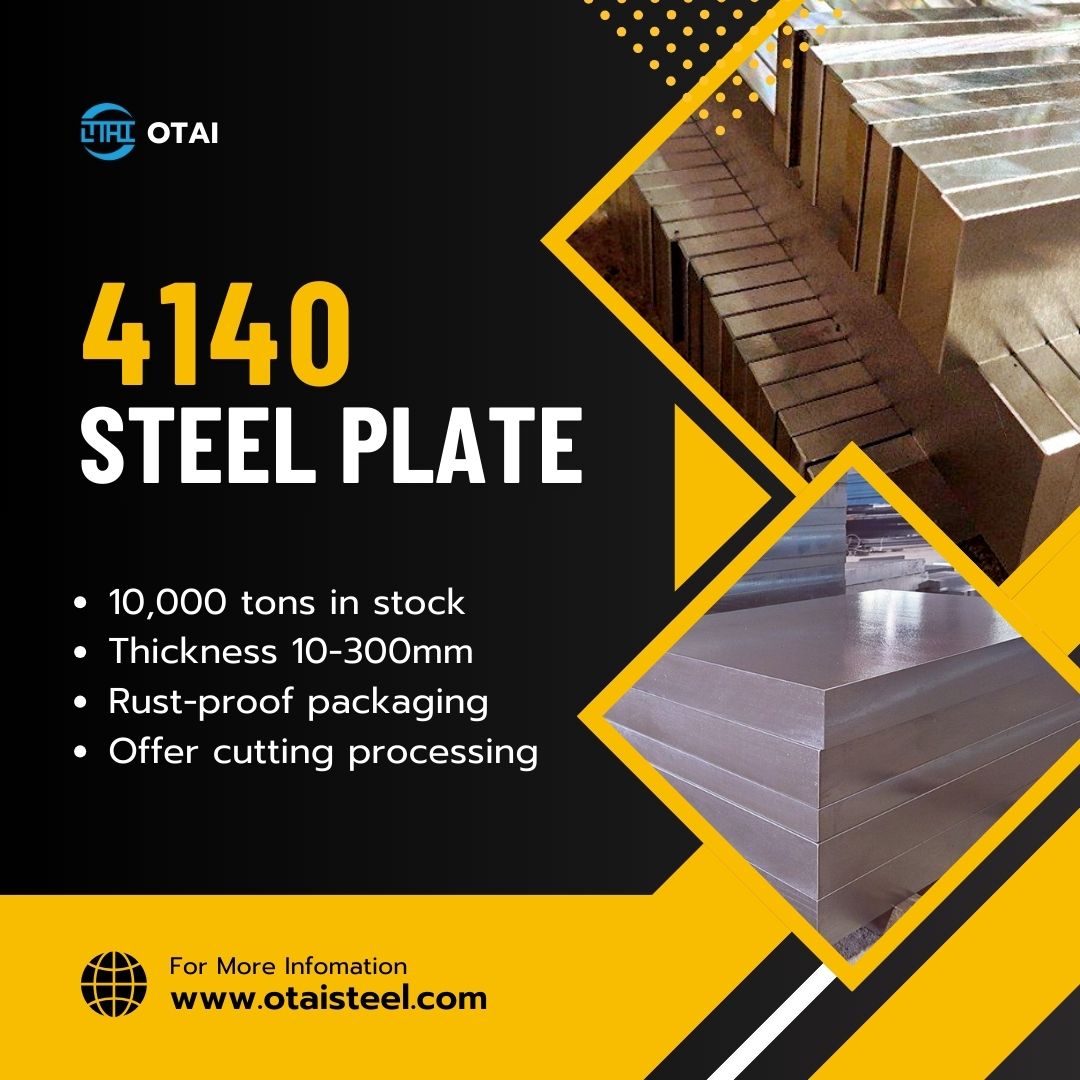
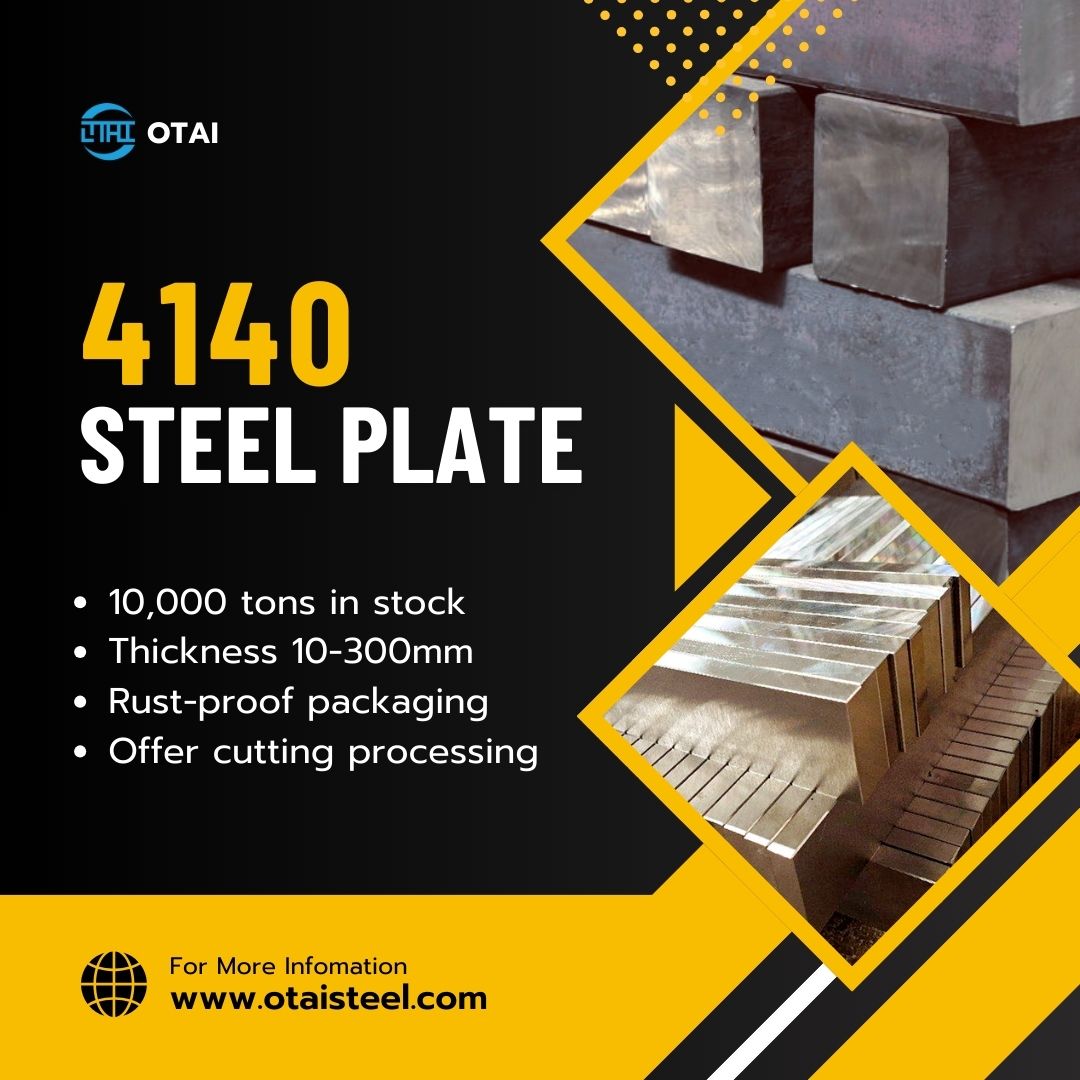 TIG Welding 4140 Steel: A Complete Guide
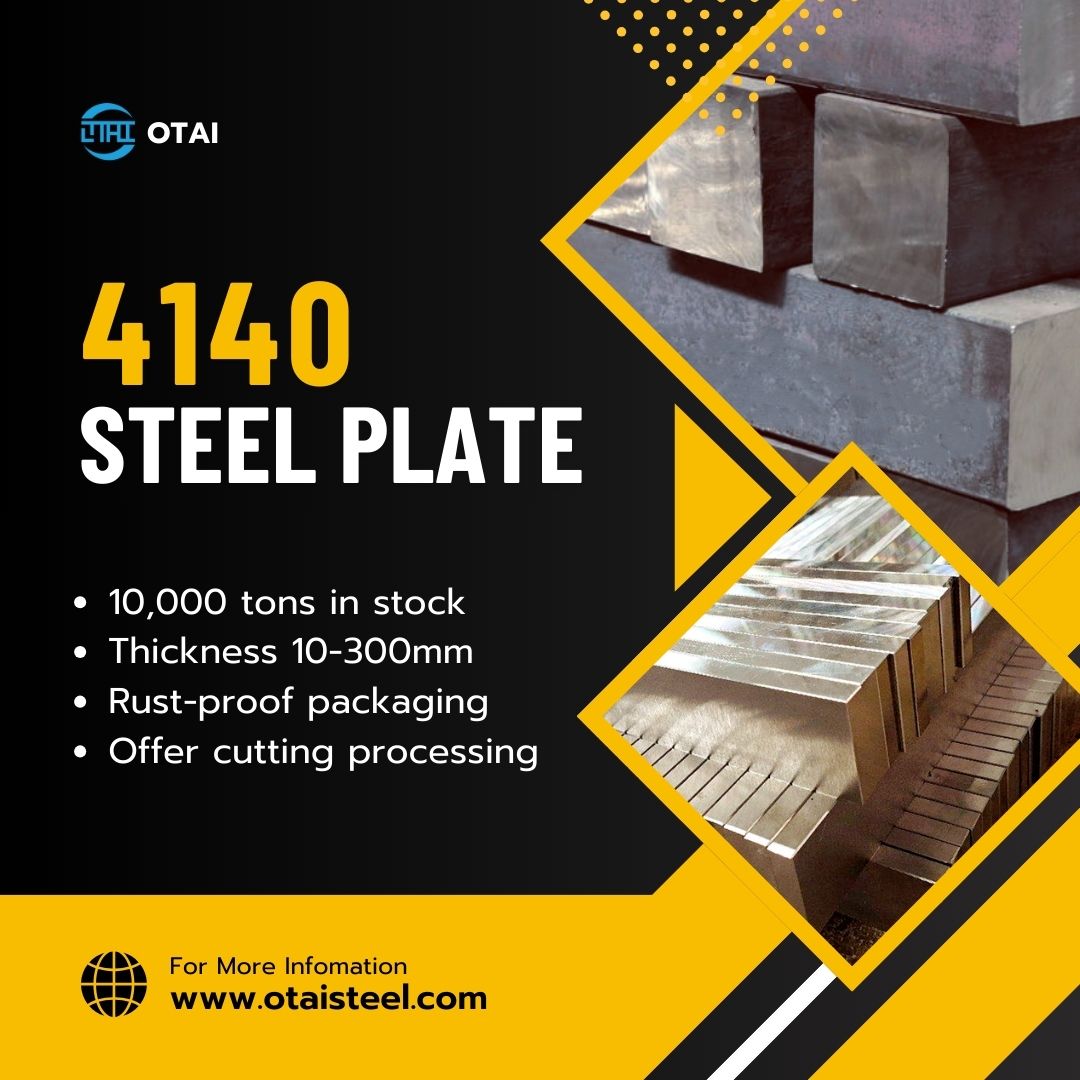 Normalizing Temperature of 4140 Steel: Key Considerations for Heat Treatment
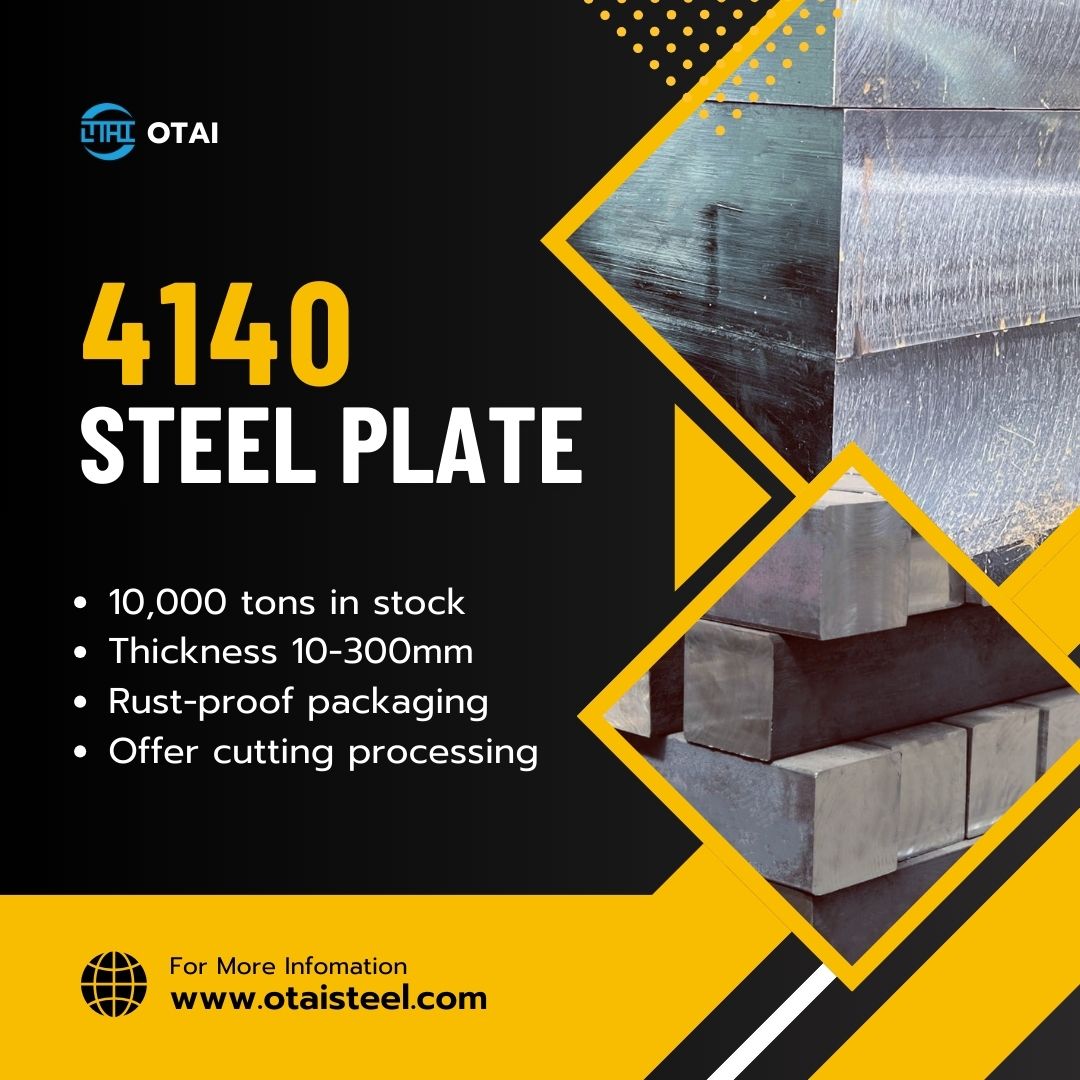 The melting point of 4140 steel is an important consideration in manufacturing processes that involve heat treatment, welding, and forging. Engineers and manufacturers use this information to make informed decisions during machining, forming, and other operations.
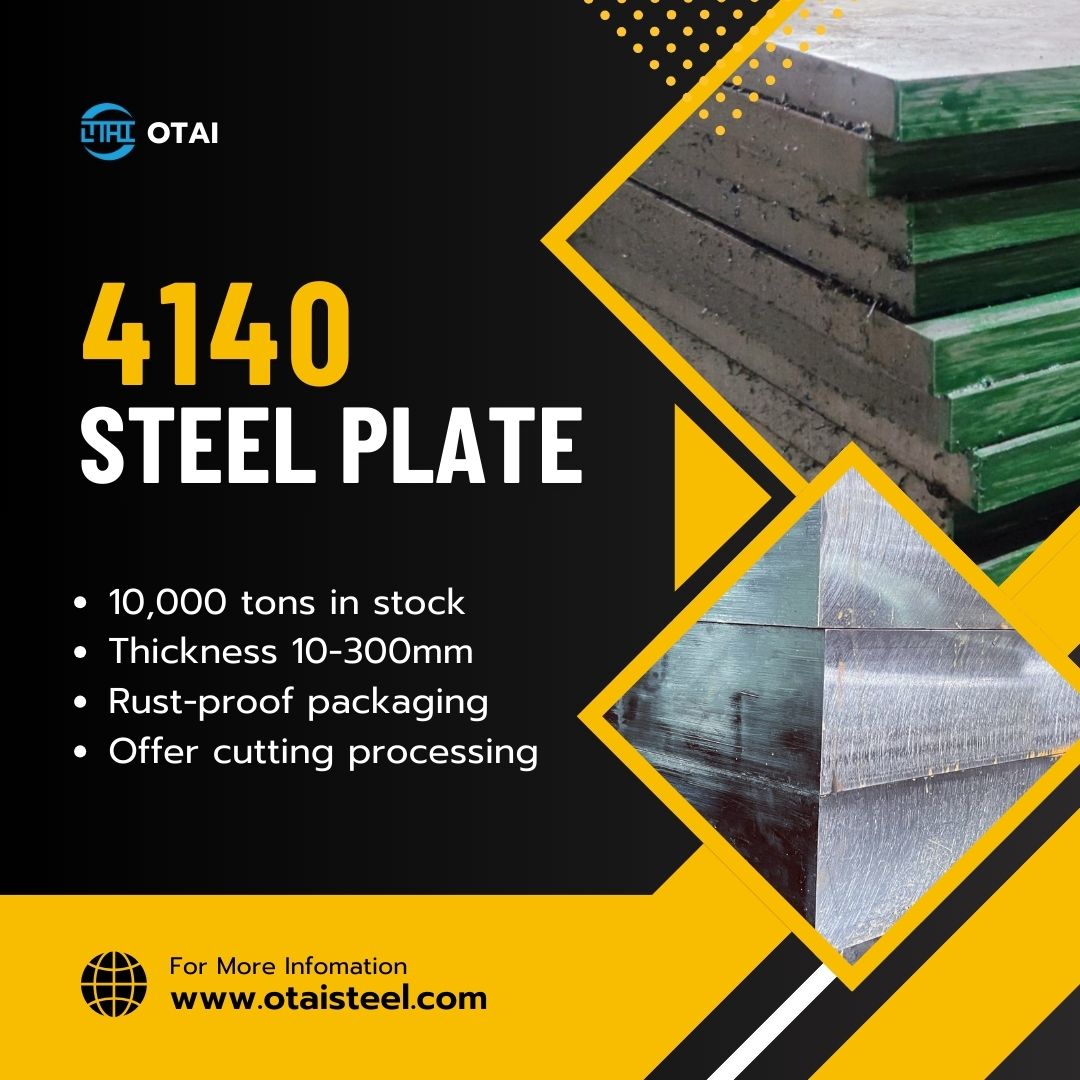 AISI 4140 Steel is Known As a Versatile, High-Performance Alloy Steel
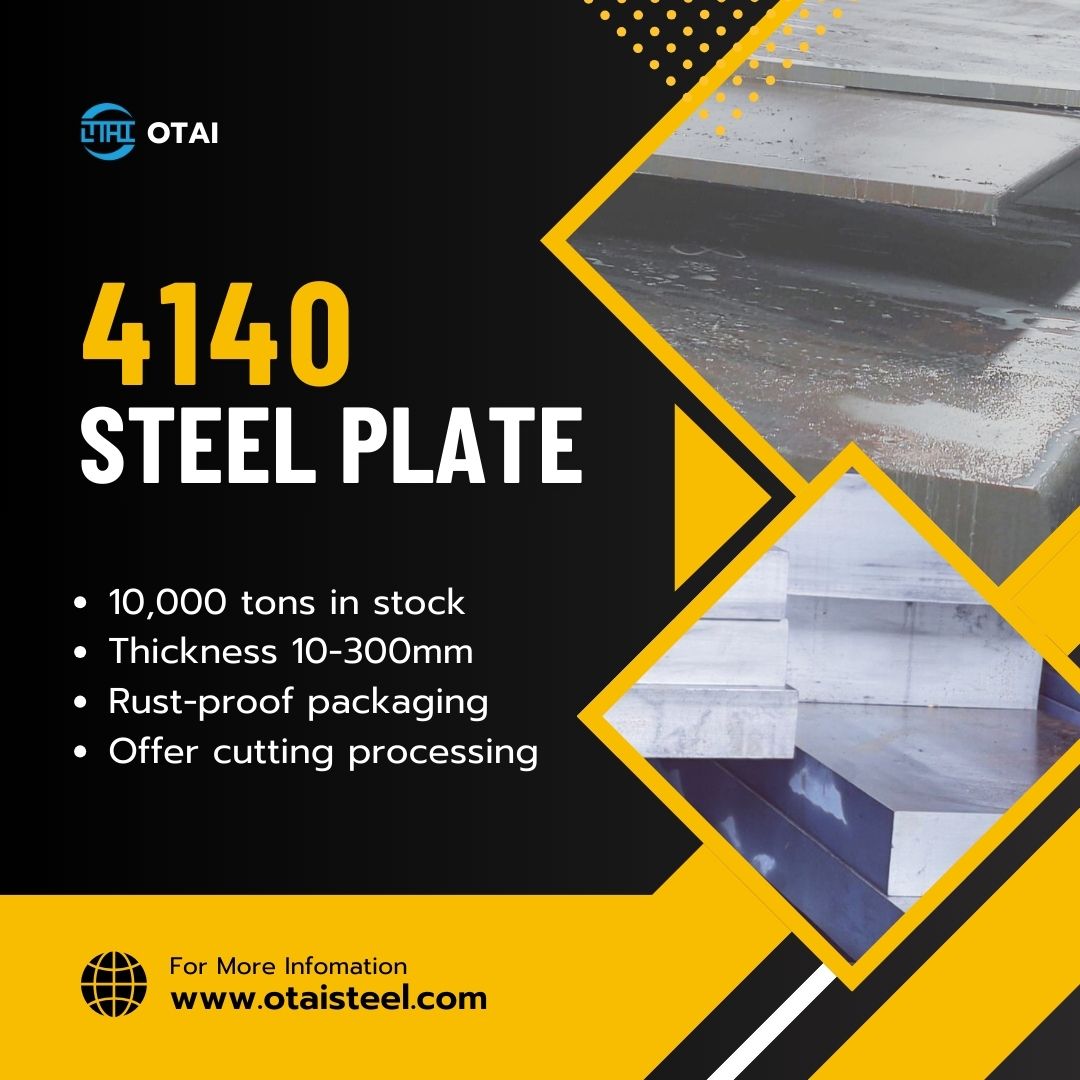 AISI 4140 Steel Composition – Key Elements and Their Role in Performance