Skip to Content

Category Archives: Blog

How good is the 4140 steel fatigue strength?

How good is the 4140 steel fatigue strength?How good is the 4140 steel fatigue strength?

When it comes to parts subjected to cyclic loading—think axles, crankshafts, gears, or machine tool spindles—fatigue strength is the unsung hero of material selection. And 4140 steel, a versatile chromium-molybdenum alloy, is often chosen precisely because of its excellent performance under repeated stress. But how good is the 4140 steel fatigue strength, and how does it hold up in real-world conditions?

Let’s dive deep into the fatigue resistance of 4140 steel, compare it with other materials, and explore its use in fatigue-sensitive applications. Whether you’re an engineer designing a high-stress part or a buyer looking to select the right steel, this guide has the answers. 💡


🔍 What Is Fatigue Strength?

Fatigue strength refers to the maximum stress a material can endure for a specific number of cycles without failure. It’s typically tested at a million or more cycles and is expressed as a percentage of the tensile strength.

For 4140 alloy steel, the fatigue strength varies depending on heat treatment, surface condition, and loading type.


📊 Fatigue Strength Data for 4140 Steel

Property Condition Value
Ultimate Tensile Strength (UTS) Quenched and Tempered 950–1100 MPa
Yield Strength Quenched and Tempered 655–850 MPa
Fatigue Strength (Rotating Bending) Polished surface (Q&T at 200 HB) ~485 MPa (approx. 50% of UTS)
Fatigue Ratio 0.5–0.6
Cycles Tested 1 million

🧪 Note: Fatigue strength values increase with surface treatments like shot peening or nitriding.


🛠️ What Affects the Fatigue Strength of 4140 Steel?

Several factors can enhance—or reduce—the 4140 steel fatigue strength:

  • Heat Treatment: Normalizing, quenching, and tempering greatly improve fatigue resistance. 4140 Q&T steel shows superior endurance over annealed grades.

  • Surface Finish: A rough machined surface will initiate cracks faster than a polished one. Grinding or polishing can enhance fatigue life.

  • Stress Concentrations: Notches, threads, or sudden changes in section drastically reduce fatigue resistance.

  • Environmental Conditions: Corrosive environments (like salt spray) reduce fatigue performance unless protected by coatings or treatments.


⚙️ Where Is Fatigue Strength of 4140 Steel Critical?

4140 is used in many cyclic load-bearing applications due to its reliable fatigue performance. Here are some real-world use cases:

Application Why 4140 Is Used
Automotive crankshafts Excellent toughness and fatigue strength
Power transmission shafts Withstands repeated torque
Gears and sprockets High wear and stress resistance
Tool holders and spindles Combines strength and endurance
Aerospace landing gear parts Reliable under fluctuating loads

These applications also benefit from 4140 steel’s good machinability and its ability to respond well to nitriding heat treatment.


🔩 Comparison: 4140 Steel vs Other Materials

Material Fatigue Strength (MPa) Heat Treatment
4140 Steel ~485 MPa Q&T (200–300 HB)
1045 Carbon Steel ~300 MPa Normalized
4340 Alloy Steel ~590 MPa Q&T (300–350 HB)
AISI 52100 Bearing Steel ~700 MPa Hardened (60 HRC)

While 4140 isn’t the highest, its cost-to-performance ratio makes it an ideal choice for many industrial uses.


🧠 Design Tip

When designing with 4140 for fatigue applications, consider:

  • Adding fillets at transitions to reduce stress concentrations.

  • Surface treatments like carburizing or shot peening to improve endurance.

  • Use finite element analysis (FEA) to predict and optimize stress distributions.


💼 Otai Special Steel: Why Choose Us?

At Otai Special Steel, we supply 4140 steel with tested fatigue strength, perfect for demanding applications. Here’s what sets us apart:

  • 📦 Massive stock: Over 10,000 tons in stock, including 4140 round bar, 4140 plates, and Q&T material.

  • 🔍 Third-party testing: Fatigue, hardness, UT, and chemical analysis all available.

  • 🔧 Value-added services: Cutting, heat treatment, machining, and more.

  • 🌐 Global expertise: Trusted by clients in aerospace, automotive, and oil & gas sectors worldwide.

  • 💬 Quick response: Quotes and technical support within 24 hours.


❓FAQ: 4140 Steel Fatigue Strength

Q1: Can 4140 steel be used for high-cycle fatigue applications?
Yes, when properly heat treated and surface finished, it performs well for over 1 million cycles.

Q2: How can I improve the fatigue life of 4140 parts?
Use shot peening, nitriding, and avoid sharp transitions in geometry.

Q3: Is there a difference in fatigue strength between annealed and quenched & tempered 4140?
Absolutely. Q&T 4140 offers much higher fatigue strength than annealed grades.

Q4: Does surface finish matter for fatigue?
Yes! A smoother finish can significantly delay crack initiation, thus improving fatigue life.

Q5: Can I request specific fatigue data from Otai?
Of course! Contact us and we’ll provide test reports and certifications as needed.
0 0 Continue Reading →

Weight of 4140 Steel: How to Calculate on Your Projects

Weight of 4140 Steel: How to Calculate on Your Projects

When working with steel, especially in industries like manufacturing, automotive, or aerospace, understanding the weight of 4140 steel is crucial for designing components, estimating costs, and ensuring the overall efficiency of the project. Whether you’re dealing with steel plates, bars, or pipes, knowing how to calculate the weight of 4140 steel can make a significant difference in your planning process.

This article explores how to calculate the weight of 4140 steel, factors affecting its weight, and why it matters in practical applications.


🌟 What is 4140 Steel and Why Does Its Weight Matter?

4140 steel is a high-strength, low-alloy steel that contains chromium, molybdenum, and carbon. It’s widely used for components that need excellent strength, toughness, and wear resistance, such as gears, crankshafts, and heavy machinery parts.

The weight of 4140 steel matters for several reasons:

  • Shipping Costs: The heavier the steel, the higher the transportation cost.

  • Structural Integrity: In large constructions, knowing the weight is essential to ensure that the structure can handle the load.

  • Manufacturing Efficiency: Accurate weight calculations help optimize material usage and avoid waste.

  • Machining and Fabrication: Weight affects how steel is handled during machining, welding, and forming processes.

Now, let’s dive into how to calculate the weight of 4140 steel.


🧮 How to Calculate the Weight of 4140 Steel

To calculate the weight of 4140 steel, you need to know its density and the dimensions of the steel piece. The density of 4140 steel is approximately 7.85 g/cm³ (or 7850 kg/m³), which is typical for alloy steels. Here’s the formula to calculate the weight:

Weight (kg)=Volume (m³)×Density (kg/m³)\text{Weight (kg)} = \text{Volume (m³)} \times \text{Density (kg/m³)}

For a more practical approach, the volume can be calculated based on the dimensions of the steel, such as the length, width, and thickness for a plate, or the radius and length for a rod.

For Steel Plates:

Weight (kg)=Length (m)×Width (m)×Thickness (m)×7850\text{Weight (kg)} = \text{Length (m)} \times \text{Width (m)} \times \text{Thickness (m)} \times 7850

For Steel Bars:

Weight (kg)=π×(Radius2)×Length (m)×7850\text{Weight (kg)} = \pi \times (\text{Radius}^2) \times \text{Length (m)} \times 7850

For Steel Pipes:

Weight (kg)=π×(Outer Radius2−Inner Radius2)×Length (m)×7850\text{Weight (kg)} = \pi \times \left( \text{Outer Radius}^2 – \text{Inner Radius}^2 \right) \times \text{Length (m)} \times 7850


🔢 Weight Calculation Examples

1. Weight of a 4140 Steel Plate

Let’s say you have a 4140 steel plate that is 2 meters long, 1 meter wide, and 0.05 meters thick. The calculation would look like this:

Weight (kg)=2×1×0.05×7850=785 kg\text{Weight (kg)} = 2 \times 1 \times 0.05 \times 7850 = 785 \, \text{kg}

So, this 4140 steel plate would weigh 785 kg.

2. Weight of a 4140 Steel Bar

For a 4140 steel bar with a diameter of 0.1 meters (10 cm) and a length of 3 meters, the weight would be calculated as:

Weight (kg)=π×(0.052)×3×7850≈184.8 kg\text{Weight (kg)} = \pi \times (0.05^2) \times 3 \times 7850 \approx 184.8 \, \text{kg}

So, the 4140 steel bar would weigh approximately 184.8 kg.


⚖️ Factors Affecting the Weight of 4140 Steel

While the density of 4140 steel is constant, several factors can influence the weight of a specific piece:

  1. Dimensions: Larger or thicker sections will naturally weigh more.

  2. Shape: Complex shapes, such as pipes or custom profiles, require more detailed calculations (like the ones mentioned above for pipes or bars).

  3. Alloy Variations: Minor variations in the alloy composition can slightly alter the density, though this has a negligible effect on weight in most cases.


📊 Comparison of Weight for Different 4140 Steel Forms

Here’s a table comparing the weight of 4140 steel for different common forms based on typical dimensions:

Form Dimensions (L × W × T) Weight (per meter) Approximate Weight for 5 meters
Steel Plate 2m × 1m × 0.05m 785 kg 3,925 kg
Steel Bar Ø 0.1m, L 3m 184.8 kg 924 kg
Steel Pipe Ø 0.2m (outer), Ø 0.15m (inner), L 4m 550.5 kg 2,202 kg

This table helps illustrate how the weight can vary significantly depending on the form and size of the steel piece.


💡 Why Knowing the Weight of 4140 Steel is Important

  • Cost Efficiency: Accurate weight calculations allow for better cost estimation for material procurement and transportation.

  • Structural Design: In construction or machinery, knowing the weight of components helps ensure proper support and load-bearing capacity.

  • Manufacturing Planning: Understanding the weight can help optimize the use of raw materials, reducing waste and improving efficiency.


🏆 Why Choose Otai Special Steel for Your 4140 Steel Needs?

At Otai Special Steel, we offer high-quality 4140 steel in various forms, including plates, bars, and custom sizes, to meet the specific requirements of your project. Here’s why you should choose us:

  • Extensive Inventory: Over 10,000 tons of 4140 steel available year-round, in various conditions.

  • Customization: We offer cutting, heat treatment, and packaging to suit your exact dimensions and weight requirements.

  • Quality Assurance: With rigorous testing procedures, including ultrasonic and chemical composition testing, we ensure that every piece meets the highest standards.

  • Global Reach: Serving international clients like Thyssenkrupp, Borealis, and Schlumberger, we guarantee reliable and timely delivery.


FAQ

Q1: How do I calculate the weight of a 4140 steel rod with a non-circular cross-section?
A1: For non-circular cross-sections, you need to break down the shape into simpler components (e.g., rectangles or circles) and calculate the weight of each part separately, then add them together.

Q2: Does the weight of 4140 steel vary by alloy type?
A2: The density of 4140 steel is consistent across different alloy types within the same category. However, slight variations can exist based on the exact composition.

Q3: How do I calculate the weight of a 4140 steel pipe?
A3: To calculate the weight of a pipe, use the formula π×(Outer Radius2−Inner Radius2)×Length×7850\pi \times (\text{Outer Radius}^2 – \text{Inner Radius}^2) \times \text{Length} \times 7850, which accounts for the hollow center of the pipe.

0 0 Continue Reading →

TIG Welding 4140 Steel: A Complete Guide
TIG Welding 4140 Steel: A Complete GuideTIG Welding 4140 Steel: A Complete Guide

TIG welding (Tungsten Inert Gas welding) is a popular welding process known for its precision and ability to produce high-quality, clean welds. When it comes to welding 4140 steel, a high-strength, low-alloy steel, TIG welding offers several advantages, including control over heat input and minimal contamination. However, welding 4140 steel requires specific techniques to achieve optimal results. This article will explore how to successfully TIG weld 4140 steel, the best practices to follow, and the common challenges faced during the process.


🔥 What is 4140 Steel?

4140 steel is a versatile alloy steel commonly used in demanding applications like automotive, aerospace, and heavy machinery. It is made up of chromium and molybdenum, which give it excellent strength, toughness, and wear resistance.

This steel is often used for parts like gears, shafts, axles, and tooling. When it comes to welding, 4140 steel presents a few challenges due to its high carbon content, which can lead to hardening and brittleness if not treated properly.


🔩 Why Use TIG Welding for 4140 Steel?

TIG welding is often preferred when working with 4140 steel for several reasons:

  • Precision and Control: TIG welding allows for excellent control over the heat input, which is essential when welding 4140 steel. This reduces the risk of distortion and ensures that the material does not overheat.

  • Clean Welds: The process produces clean, smooth welds with minimal spatter and no slag. This is particularly useful when working with the high-quality surface finish often required for 4140 steel parts.

  • Versatility: TIG welding can be used to weld a wide variety of thicknesses, which is common in 4140 steel applications.

  • Low Heat Affected Zone (HAZ): Since TIG welding is a low-heat process, it results in a smaller Heat-Affected Zone (HAZ). This is crucial in minimizing the impact on the material’s properties, especially since 4140 steel can be susceptible to distortion and hardening.


🔧 Preparing 4140 Steel for TIG Welding

Proper preparation is key to achieving a successful weld when working with 4140 steel. Follow these steps to ensure the material is ready for TIG welding:

1. Clean the Steel Surface

Before welding, clean the 4140 steel thoroughly to remove any contaminants like oil, rust, dirt, or grease. Use a wire brush or grinder to clean the surface, especially along the edges that will be welded. Contaminants can cause welding defects like porosity.

2. Preheat the Material

Preheating is essential for welding 4140 steel, especially when it’s thick or has a high carbon content. Preheating helps to reduce the risk of cracking during welding by reducing thermal shock. Typical preheating temperatures for 4140 steel range from 300°F to 500°F (150°C to 260°C), depending on the thickness of the material.

3. Choose the Right Filler Rod

For TIG welding 4140 steel, choose a filler rod that matches the material composition. Common choices for filler rods include:

  • ER70S-6: A general-purpose filler for mild steel and low-alloy steels like 4140.

  • ER80S-D2: This filler is designed for alloy steels and offers higher strength and toughness, making it suitable for 4140 steel applications.

The filler rod should have a composition similar to the base metal to ensure strong, consistent welds.


⚙️ TIG Welding Process for 4140 Steel

Once you’ve prepared the steel and gathered the right equipment, follow these steps for welding:

1. Set Up the TIG Welder

For TIG welding 4140 steel, use a DC (Direct Current) electrode negative (DCEN) setting. This setting ensures that the heat is concentrated on the workpiece, which helps prevent overheating and distortion.

The tungsten electrode should be sharp to create a focused arc. A 2% thoriated tungsten electrode (e.g., WP-2) is commonly used for welding 4140 steel.

2. Adjust the Heat Settings

The heat settings will depend on the thickness of the material. For 4140 steel, the typical amperage range is between 90 and 200 amps. For thinner materials, use lower amperage, and for thicker materials, increase the amperage.

Make sure to maintain the right arc length and welding speed to ensure smooth and consistent welds.

3. Begin Welding

Start the weld by striking the arc on the base material and gradually adding filler rod as you move along the joint. Maintain a steady hand and consistent speed to avoid overheating and distortion. Move along the joint at a moderate pace to ensure uniform heat distribution.

4. Post-Weld Heat Treatment

After welding, 4140 steel often requires post-weld heat treatment (PWHT) to relieve residual stresses and prevent cracking. This may involve tempering the steel at a specific temperature to restore toughness and reduce hardness in the welded area.


🛠️ Common Challenges and Solutions

TIG welding 4140 steel can present some challenges, especially when dealing with thicker sections or complex welds. Here are some common issues and how to address them:

1. Cracking

Cracking is a common issue when welding 4140 steel, especially if the material has not been preheated properly or the post-weld heat treatment is insufficient. To prevent cracking:

  • Preheat the material to the recommended temperature.

  • Use the correct filler material and avoid cold cracking.

  • Apply post-weld heat treatment to relieve stresses.

2. Overheating and Distortion

If the heat input is too high, the material can overheat, leading to distortion or warping. To avoid this, control the heat input and use proper welding speed and amperage settings. Also, avoid excessive pass overlap.

3. Porosity

Porosity occurs when gas becomes trapped in the weld, creating holes or bubbles. To avoid this:

  • Ensure the steel surface is clean.

  • Maintain an appropriate shield gas flow (typically argon or argon-based mixtures) to prevent contamination from the atmosphere.

  • Check the torch and filler rod for moisture.


🌍 Applications of TIG Welded 4140 Steel

TIG welding 4140 steel is common in industries where strength, precision, and durability are essential. Some common applications include:

  • Automotive: Axles, crankshafts, gears, and suspension components.

  • Aerospace: Engine parts, landing gear components, and structural components.

  • Tooling: Press molds, machine parts, and tooling components.

  • Heavy Machinery: Shafters, gears, and machine frames.


🌟 Why Choose Otai Special Steel for Your 4140 Steel?

At Otai Special Steel, we offer high-quality 4140 steel suitable for TIG welding and other fabrication processes. Our advantages include:

  • 🏭 Large Inventory: We offer a variety of 4140 steel in different forms and sizes.

  • 📐 Custom Heat Treatment: We provide tailored preheating and post-weld heat treatment services to meet your specific needs.

  • 🔍 Quality Testing: Our 4140 steel undergoes rigorous testing to ensure excellent weldability and performance.

  • 🌍 Global Shipping: We provide fast, reliable shipping worldwide.

  • 💰 Competitive Pricing: Get the best prices without compromising on quality.


❓ FAQ

Q1: Can 4140 steel be welded using TIG welding?
A: Yes, 4140 steel is well-suited for TIG welding, though it requires proper preheating and post-weld heat treatment to prevent cracking and distortion.

Q2: What filler rod should I use for TIG welding 4140 steel?
A: ER70S-6 and ER80S-D2 are common filler rods for 4140 steel, depending on the specific application and strength requirements.

Q3: Do I need to preheat 4140 steel before TIG welding?
A: Yes, 4140 steel should be preheated to reduce the risk of cracking. The typical preheat temperature is between 300°F and 500°F (150°C to 260°C).

Q4: How do I prevent porosity when TIG welding 4140 steel?
A: To prevent porosity, ensure the material is clean, maintain proper gas flow, and avoid moisture in the welding area.

0 0 Continue Reading →

Normalizing Temperature of 4140 Steel: Key Considerations for Heat Treatment

Normalizing Temperature of 4140 Steel: Key Considerations for Heat TreatmentNormalizing Temperature of 4140 Steel: Key Considerations for Heat Treatment
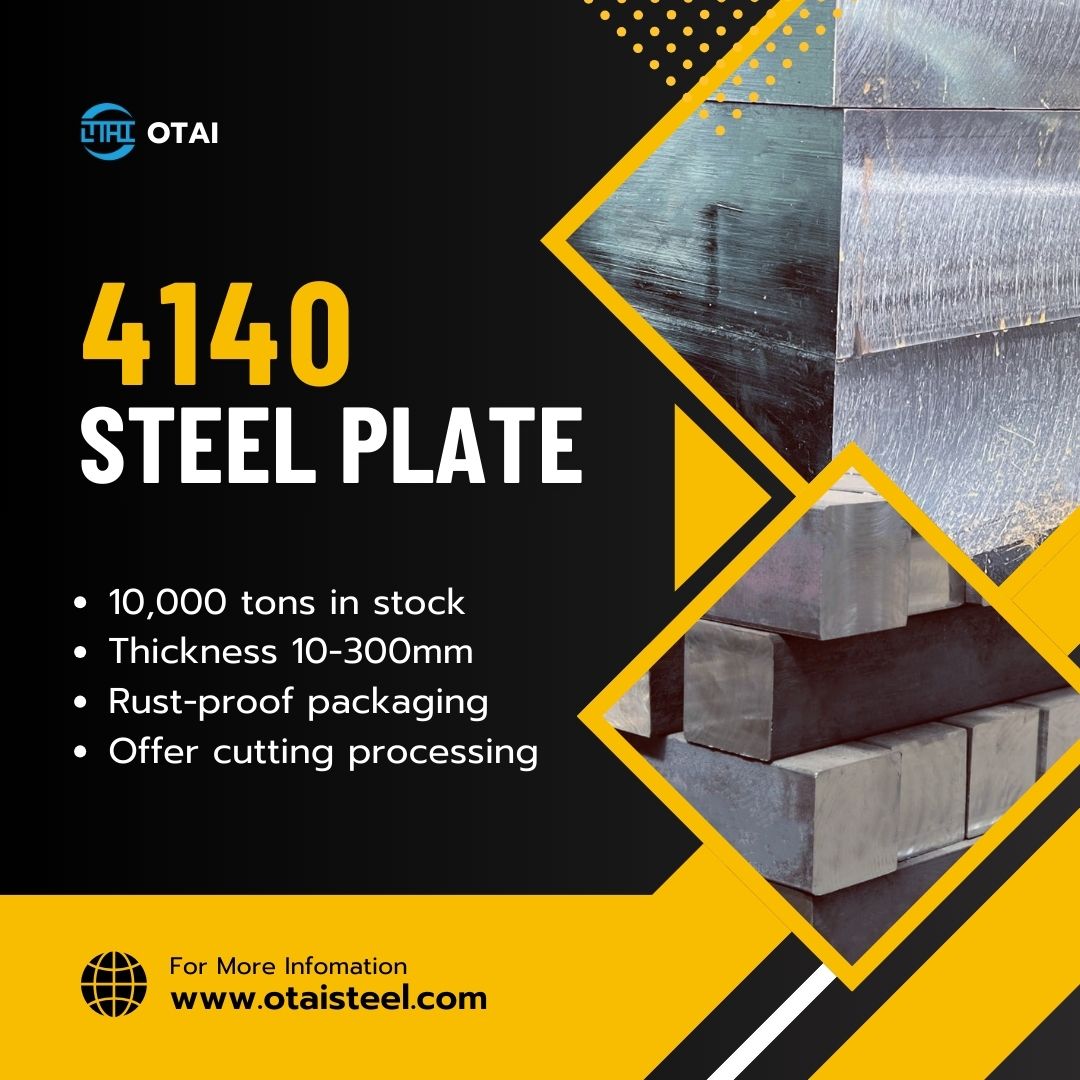
When engineers work with high-strength materials, normalizing plays a crucial role in ensuring uniform grain structure, improved toughness, and optimized mechanical properties. For 4140 steel, a low-alloy steel, normalizing is essential to refine the material and prepare it for subsequent processes like quenching and tempering. In this article, we will explore the normalizing temperature of 4140 steel, the normalizing process, and its impact on the steel’s performance.


🌡️ What is Normalizing?

Normalizing involves heating steel to a specific temperature, then allowing it to cool in air. This process refines the grain structure, relieving internal stresses and improving uniformity. By subjecting 4140 steel to this treatment, engineers can enhance the material’s strength, toughness, and ductility, setting the stage for additional heat treatments.


🔥 Normalizing Temperature of 4140 Steel

The normalizing temperature for 4140 steel typically ranges between 850°C and 900°C (1,560°F to 1,650°F). At this temperature, the steel becomes more uniform in composition, which leads to improved properties after cooling. The normalizing temperature allows 4140 steel to undergo austenitization, where the steel’s structure transitions into austenite, optimizing its microstructure.

Why This Temperature Range?

Heating 4140 steel to 850°C – 900°C (1,560°F – 1,650°F) ensures that it reaches the ideal temperature for austenitization. This promotes the formation of a fine pearlite and ferrite microstructure, enhancing the material’s strength and toughness. The process results in better hardness and wear resistance while minimizing internal stresses and imperfections.


🛠️ Importance of Normalizing for 4140 Steel

1. Improved Grain Structure

By normalizing 4140 steel, we refine its grain structure. A finer and more uniform grain structure improves the material’s strength and toughness, making it more resistant to wear and impact.

2. Relieves Internal Stresses

Normalizing helps relieve internal stresses built up during manufacturing processes like casting or welding. This prevents warping or cracking during later heat treatments, making 4140 steel more stable and reliable in high-stress applications.

3. Enhanced Homogeneity

The process ensures that the steel’s properties are uniform throughout the material. A homogeneous structure improves consistency in hardness and tensile strength, leading to better overall performance in demanding applications.

4. Preparation for Further Heat Treatment

Normalizing enhances the material’s ability to withstand subsequent heat treatment processes like quenching and tempering. After normalizing, 4140 steel is better prepared to achieve the desired balance between strength, hardness, and toughness.


🌍 Applications of 4140 Steel After Normalizing

After the normalizing process, 4140 steel is ready for a variety of high-strength applications. Some common uses include:

  • Automotive Parts: Axles, gears, crankshafts, and suspension components

  • Heavy Machinery: Tool holders, machine shafts, pinions, and dies

  • Oil and Gas: Drill collars, wellhead components, pressure vessels

  • Tooling: Cutting tools, press molds, and dies

  • Aerospace: Landing gears, engine components, and structural parts

Normalizing ensures that these components maintain their required properties, such as high strength, toughness, and resistance to fatigue.


🔍 How to Normalize 4140 Steel

Normalizing 4140 steel involves the following steps:

  1. Heating: Heat the steel to a temperature between 850°C and 900°C (1,560°F and 1,650°F) in a furnace.

  2. Holding: Maintain the temperature for 1 to 2 hours, depending on the thickness of the material, to ensure uniform heating and grain refinement.

  3. Cooling: After heating, remove the steel from the furnace and allow it to cool naturally in air at room temperature. The air cooling process results in a fine, uniform grain structure.

  4. Post-Normalizing Inspection: After normalizing, inspect the material for defects and measure its mechanical properties, such as hardness and tensile strength, to ensure it meets the required standards.


🌟 Why Choose Otai Special Steel for 4140 Steel?

At Otai Special Steel, we supply high-quality 4140 steel that has undergone rigorous heat treatment, including normalizing. We offer:

  • 🏭 Large Inventory: We maintain over 10,000 tons of 4140 steel in stock, available in various sizes and forms.

  • 📐 Custom Cutting and Heat Treatment: We provide customized services, including cutting to size and normalizing, to meet your specific needs.

  • 🔍 Quality Assurance: We rigorously test our 4140 steel for hardness, tensile strength, and other mechanical properties.

  • 🌍 Global Shipping: We deliver 4140 steel to over 50 countries worldwide.

  • 💰 Competitive Pricing: We offer high-performance 4140 steel at competitive prices.


❓ FAQ

Q1: What is the normalizing temperature for 4140 steel?
A: The normalizing temperature for 4140 steel is between 850°C and 900°C (1,560°F and 1,650°F).

Q2: Why should I normalize 4140 steel?
A: Normalizing refines the grain structure, relieves internal stresses, and ensures uniformity, enhancing the material’s strength, toughness, and machinability.

Q3: How does normalizing affect the hardness of 4140 steel?
A: Normalizing can increase the hardness of 4140 steel slightly, but additional heat treatments like quenching and tempering are required to achieve high hardness.

Q4: Is normalizing necessary for all 4140 steel applications?
A: While not always required, normalizing improves the material’s properties and prepares it for further processing, making it essential for many high-performance applications.

Q5: How long does the normalizing process take for 4140 steel?
A: The normalizing process typically lasts 1-2 hours, depending on the steel’s thickness, followed by air cooling to room temperature.

0 0 Continue Reading →

What is the Melting Point of 4140 Steel?

What is the Melting Point of 4140 Steel?The melting point of 4140 steel is an important consideration in manufacturing processes that involve heat treatment, welding, and forging. Engineers and manufacturers use this information to make informed decisions during machining, forming, and other operations.
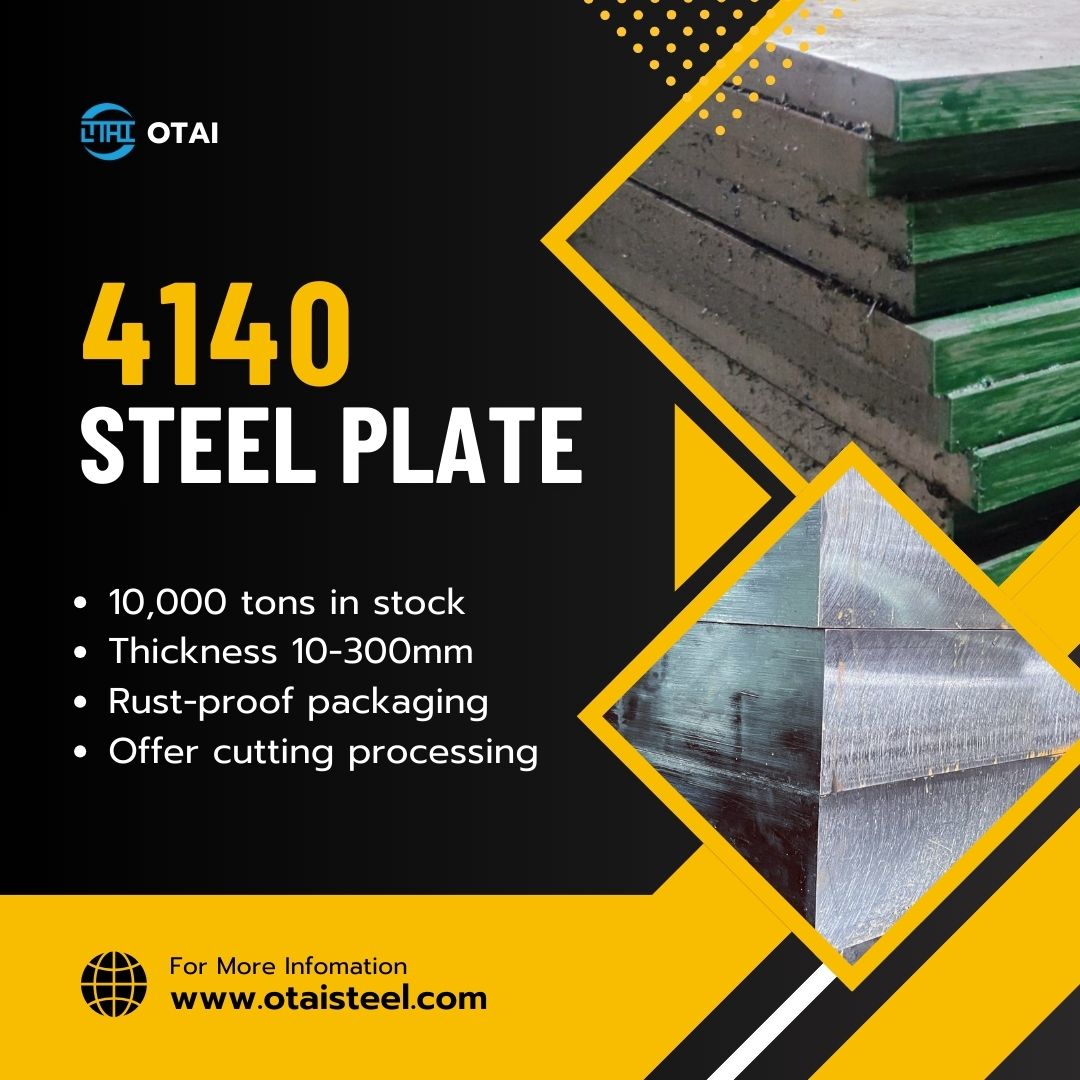

🌡️ What is the Melting Point of 4140 Steel?

4140 steel is a chromium-molybdenum alloy steel known for its high strength, toughness, and wear resistance. Its melting point typically ranges between 1,400°C (2,552°F) and 1,500°C (2,732°F), depending on its specific alloy composition and heat treatment process.

Why Does This Matter?

The melting point of a steel alloy like 4140 determines how it reacts to heat during processes such as welding, casting, and heat treatment. Engineers use this knowledge to prevent overheating or underheating, which can affect the final properties of the steel.


🔥 Factors that Affect the Melting Point of 4140 Steel

1. Composition of the Steel

The carbon content and the addition of alloying elements (such as chromium and molybdenum) directly affect the melting point of 4140 alloy. Higher carbon content usually raises the melting point, while alloying elements like chromium improve strength, hardness, and corrosion resistance but slightly lower the melting temperature.

2. Heat Treatment Process

The heat treatment process (including quenching and tempering) does not directly change the melting point but influences the steel’s properties at various temperature ranges. For example, 4140 steel typically undergoes hardening between 1,000°C – 1,200°C (1,832°F – 2,192°F), which is far below its actual melting point.

3. Impurities in the Steel

The presence of impurities in the steel can reduce the melting point. Elements like sulfur and phosphorus lower the melting temperature, which can lead to more distortion or failure when exposed to high heat.

4. Form of the Steel

The form of 4140 steel—whether it’s in plates, bars, or tubes—can impact how heat distributes during melting. Thicker sections may melt at slightly lower temperatures because of slower heat penetration.


🛠️ Why the Melting Point Matters in Manufacturing

🧯 Welding

When welding 4140 steel, it’s crucial to keep the temperature below the steel’s melting point to avoid distortion or cracking. Engineers preheat the material before welding and use post-weld heat treatment to control temperature, prevent stress, and improve weld quality. The melting point helps guide the heat management during welding.

🔨 Forging and Heat Treatment

4140 steel is often forged for use in heavy machinery and automotive components. Engineers heat the steel to the right temperature, typically between 1,200°C and 1,300°C (2,192°F – 2,372°F). This temperature is well below the melting point but high enough to make the steel malleable for shaping.

🏗️ Casting and Structural Components

When using 4140 steel for casting or structural components, manufacturers must control the temperature to avoid reaching the melting point. Casting temperatures are lower than the steel’s melting point, but engineers still need high heat to ensure the smooth flow of liquid steel into molds.


🌍 Applications of 4140 Steel

4140 steel is used in high-stress applications across industries, including:

  • Automotive Components: Axles, gears, crankshafts

  • Heavy Machinery: Connectors, shafts, tool holders

  • Oil & Gas: Drill collars, pressure vessels

  • Toolmaking: Dies, molds, cutting tools

In these applications, knowing the melting point ensures that manufacturers select the right heat treatment and forging processes to meet performance requirements.


🌟 Why Choose Otai Special Steel for 4140 Steel?

At Otai Special Steel, we provide top-quality 4140 steel that meets the most stringent industry standards. We offer:

  • 🏭 Large Inventory: We keep over 10,000 tons of 4140 steel in stock, available in various forms and sizes.

  • 📐 Customization Services: We provide tailored cutting, heat treatment, and other custom services to meet your exact needs.

  • 🔍 Quality Assurance: Our 4140 steel undergoes strict testing, including ultrasonic testing (UT), chemical analysis, and hardness verification.

  • 🌍 Global Shipping: With years of experience, we deliver 4140 steel to over 50 countries worldwide.

  • 💰 Competitive Pricing: We offer affordable pricing without compromising on quality.


❓ FAQ

Q1: Can I use 4140 steel in high-temperature applications?
A: Yes, 4140 material is heat-treated and can handle high temperatures. However, care must be taken not to exceed its melting point during processes like welding and forging.

Q2: What happens if 4140 alloy exceeds its melting point?
A: If 4140 steel exceeds its melting point, it can lose its structural integrity, becoming too soft and leading to defects like cracks or excessive distortion.

Q3: How do I heat treat 4140 alloy without reaching the melting point?
A: During quenching and tempering, 4140 steel should be heated to temperatures below the melting point. Typical hardening temperatures range from 800°C to 1,000°C (1,472°F – 1,832°F).

Q4: How does the melting point of 4140 compare to other steels?
A: The melting point of 4140 steel is higher than carbon steels but lower than other high-alloy steels. This makes it easier to work with during manufacturing processes like welding and forging.

Q5: How does the composition of 4140 steel affect its melting point?
A: The presence of chromium and molybdenum increases the steel’s resistance to heat and wear, allowing 4140 steel to maintain strength at higher temperatures, even though it has a slightly lower melting point than some other alloy steels.

0 0 Continue Reading →

AISI 4140 Steel is Known As a Versatile, High-Performance Alloy Steel

AISI 4140 Steel is Known As a Versatile, High-Performance Alloy SteelAISI 4140 Steel is Known As a Versatile, High-Performance Alloy Steel
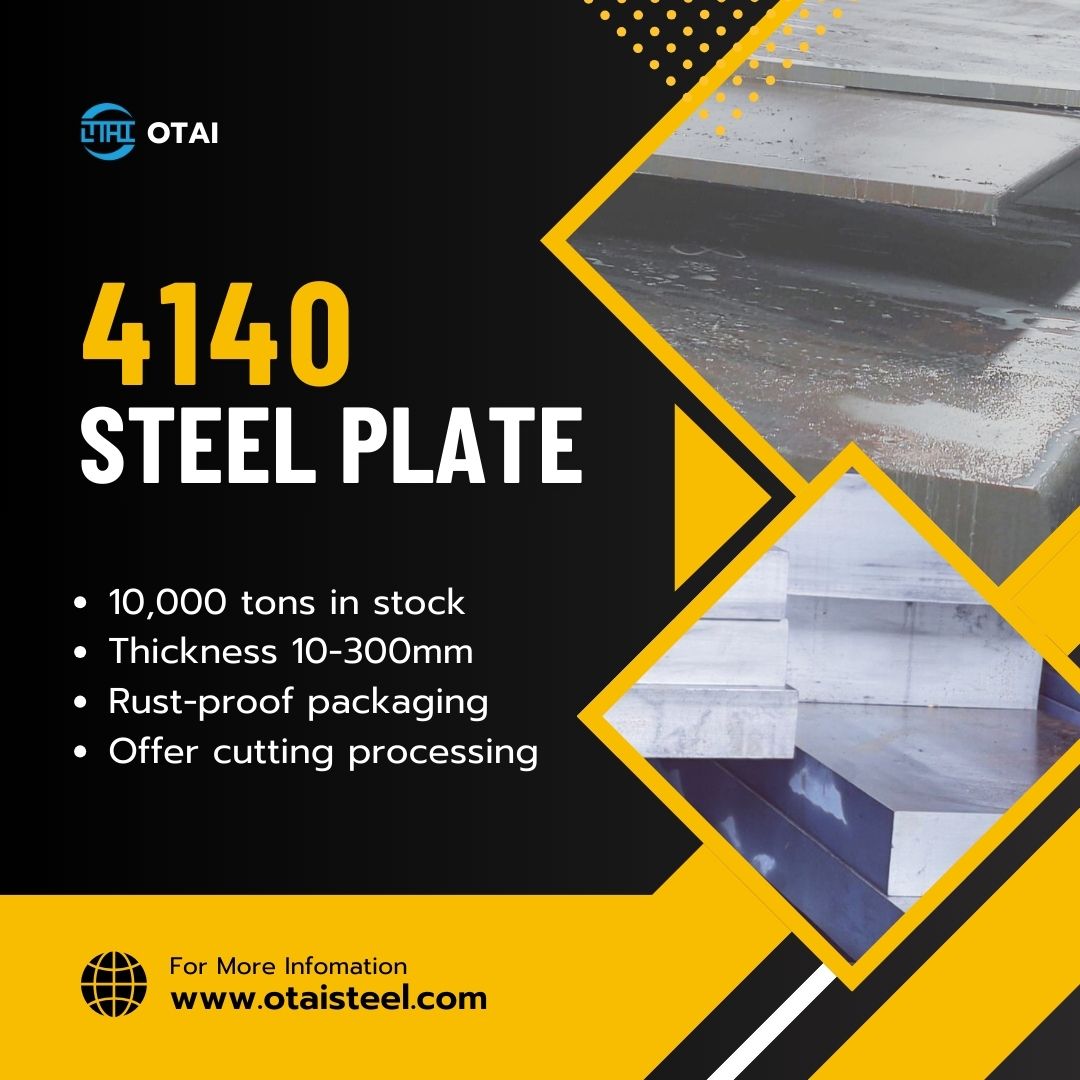
AISI 4140 steel is known as one of the most widely used alloy steels across industries. Engineers and manufacturers rely on its unique combination of strength, toughness, and wear resistance. Whether you’re designing automotive components, oil and gas equipment, or heavy machinery, 4140 steel often serves as the go-to material for critical applications.

In this article, we’ll explore what makes AISI 4140 steel a standout choice, its properties, common applications, and the reasons why so many industries prefer it.


🌟 What is AISI 4140 Steel Known As?

AISI 4140 steel is a chromium-molybdenum alloy steel, often referred to as “chromoly” steel. It is known for:

  • High strength and toughness

  • Good wear resistance

  • Excellent machinability

  • Ability to be heat-treated for various hardness levels

These properties make 4140 steel ideal for manufacturing parts that need to withstand harsh conditions, including fatigue, wear, and high-stress environments.


🔑 Key Properties of AISI 4140 Steel

💪 Strength and Hardness

AISI 4140 steel is known for its high tensile strength, which typically ranges from 95,000 to 120,000 psi. You can increase its hardness through heat treatment, reaching up to 45 HRC in the hardened state.

This strength makes 4140 steel suitable for heavy-duty components exposed to high loads and stresses.

🔧 Machinability

AISI 4140 steel is easy to machine, especially in its annealed state. Its chromium and molybdenum content gives the steel a balance of hardness and machinability, ensuring smoother cutting and reduced tool wear.

🔥 Weldability

Although AISI 4140 steel is weldable, it requires preheating and post-weld heat treatment. This helps prevent cracking and distortion in the welded areas. The carbon content in 4140 steel affects how well it welds, especially when it’s in its hardened or pre-hardened state.


🛠️ Common Applications of AISI 4140 Steel

🚗 Automotive Industry

AISI 4140 steel plays a key role in automotive manufacturing, especially for parts that need both strength and wear resistance, such as:

  • Axles

  • Transmission gears

  • Crankshafts

  • Chassis components

⛽ Oil and Gas Industry

In the oil and gas sector, 4140 steel is used for equipment that must handle high pressures and endure harsh environmental conditions. Common applications include:

  • Drill collars

  • Tool joints

  • Downhole tools

⚙️ Tool and Mold Manufacturing

AISI 4140 steel maintains its dimensional stability under heat and pressure, making it ideal for tool and die applications, including:

  • Molds

  • Press dies

  • Cutting tools

⚙️ High-Stress Components

AISI 4140 steel resists fatigue and performs well under repetitive motion. Industries often use it for:

  • Gears

  • Shafts

  • Pins

  • Connecting rods


🌍 Advantages of AISI 4140 Steel

  1. Versatility
    Engineers use AISI 4140 steel across multiple industries, from automotive to aerospace. It performs well whether in its annealed or hardened state.

  2. Superior Wear Resistance
    The steel’s ability to resist wear and abrasion makes it ideal for components that face continuous friction and high stress.

  3. Cost-Effective Performance
    Compared to other high-alloy steels, 4140 steel provides a strong balance between cost and performance, which makes it the go-to choice for many industrial applications.

  4. Heat Treatable
    You can modify the hardness of AISI 4140 steel through various heat treatments, such as quenching and tempering, offering great flexibility in terms of application-specific hardness.


🌍 Company Advantages – Why Choose Otai Special Steel?

At Otai Special Steel, we offer a wide range of high-quality AISI 4140 steel for various industrial needs. Our large inventory and added services make us a reliable partner for your steel sourcing.

  • 🏭 Large Inventory – We keep over 10,000 tons of 4140 steel in stock, ready for quick delivery.

  • 📐 Custom Cutting Services – We provide tailored cutting, heat treatment, and pre-machining services to match your exact specifications.

  • 🔍 Quality Assurance – Our rigorous testing ensures high standards, including ultrasonic testing (UT), chemical analysis, and third-party inspection.

  • 🌍 Global Shipping – We ship 4140 steel to more than 50 countries, ensuring prompt delivery worldwide.

  • 💰 Competitive Pricing – Get the best price while maintaining top-quality standards.


❓ FAQ

Q1: What makes AISI 4140 steel so popular?
A: AISI 4140 steel offers a unique combination of strength, toughness, wear resistance, and versatility. Its applications span industries such as automotive, oil and gas, and toolmaking.

Q2: Can I heat treat AISI 4140 steel?
A: Yes, 4140 steel is heat treatable. You can adjust its hardness levels to meet specific application requirements through processes like quenching and tempering.

Q3: Is AISI 4140 steel easy to weld?
A: Yes, 4140 steel is weldable but requires proper preheating and post-weld heat treatment to avoid cracking.

Q4: What are the typical applications of AISI 4140 steel?
A: AISI 4140 steel is used in automotive parts, toolmaking, oil and gas equipment, and high-stress components like gears and shafts.

Q5: How hard can AISI 4140 steel be after heat treatment?
A: After heat treatment, 4140 steel can reach a hardness of up to 45 HRC, depending on the process used.

0 0 Continue Reading →

AISI 4140 Steel Composition – Key Elements and Their Role in Performance

AISI 4140 Steel Composition – Key Elements and Their Role in PerformanceAISI 4140 Steel Composition – Key Elements and Their Role in Performance
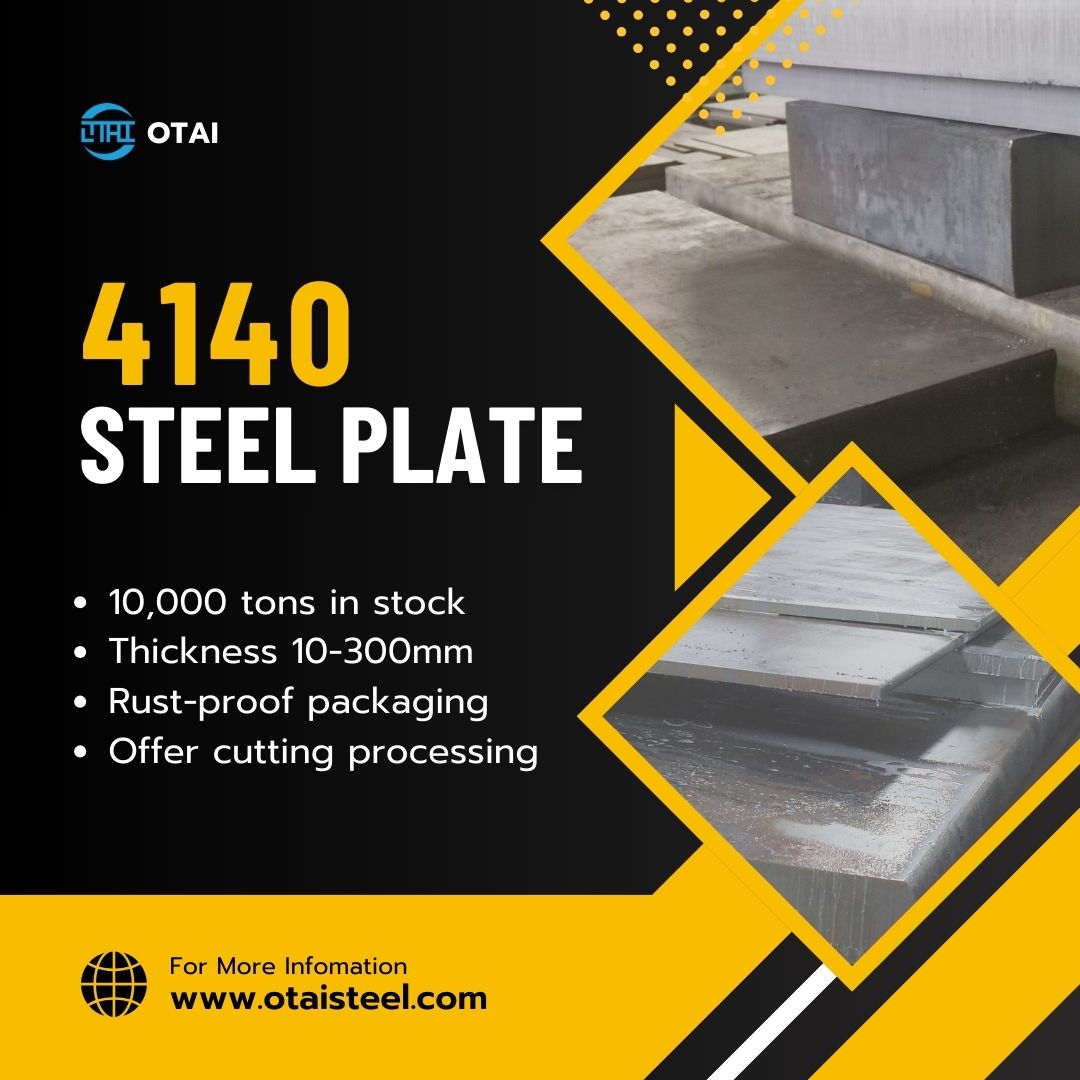
Among medium-carbon alloy steels, AISI 4140 steel composition makes it one of the most versatile and reliable grades for engineering applications. Known as a chromium-molybdenum steel, it balances strength, toughness, and wear resistance. But what makes it special lies in the exact combination of elements in its composition.

This article explores the aisi 4140 chemical composition, explains the role of each element, and links the chemistry to real-world performance.


🌟 Why Study the Composition of AISI 4140 Steel?

When engineers select a material, they don’t just look at hardness or tensile strength. They also analyze the chemistry. The aisi 4140 alloy steel composition determines its ability to withstand heat treatment, resist fatigue, and maintain toughness. For buyers, knowing the composition ensures compatibility with project requirements and international standards.


🔬 AISI 4140 Steel Composition Table

Here’s the standard aisi 4140 steel composition table (ASTM/SAE):

Element Percentage (%)
Carbon (C) 0.38 – 0.43
Manganese (Mn) 0.75 – 1.00
Chromium (Cr) 0.80 – 1.10
Molybdenum (Mo) 0.15 – 0.25
Silicon (Si) 0.15 – 0.30
Phosphorus (P) ≤ 0.035
Sulfur (S) ≤ 0.040

This combination creates a balance between aisi 4140 steel elements that influence hardness, wear resistance, and toughness.


🧪 Element-by-Element Breakdown

Let’s look at how each part of the aisi 4140 chemical composition contributes to its performance:

  • Carbon (0.38–0.43%) – Provides core hardness and strength. Medium carbon allows for a balance of toughness and machinability.

  • Chromium (0.80–1.10%) – Enhances wear resistance, improves hardenability, and increases corrosion resistance slightly.

  • Molybdenum (0.15–0.25%) – Adds creep strength, prevents brittleness, and ensures stability during high-temperature service.

  • Manganese (0.75–1.00%) – Improves hardenability and tensile strength while also helping deoxidize the steel.

  • Silicon (0.15–0.30%) – Strengthens the ferrite phase and helps improve toughness.

  • Phosphorus & Sulfur (low levels) – Controlled to prevent brittleness and maintain toughness.

This chemical mix explains why aisi 4140 steel carbon content alone doesn’t tell the full story—chromium and molybdenum make it unique.


⚙️ Composition vs Properties

The link between aisi 4140 composition vs properties is direct:

Property Influence of Composition
Strength Carbon, Mn, Cr, Mo
Hardenability Chromium, Molybdenum
Wear Resistance Chromium, Carbon
Toughness Balanced C, low P/S
High-Temperature Performance Molybdenum

This synergy gives engineers confidence in using 4140 for demanding parts.


🔥 Heat Treatment and Composition

The aisi 4140 steel heat treatment and composition relationship is critical.

  • Annealing (soft state) – Carbon level allows machinability, hardness ~197 HB.

  • Quenching & Tempering – Chromium and molybdenum ensure deep hardening; hardness ranges from 28 to 60 HRC.

  • Nitriding – Surface enriched with nitrogen creates wear resistance (55–60 HRC surface).

Because of its aisi 4140 steel chromium molybdenum content, this grade responds better to heat treatment than plain carbon steels.


📊 Comparison with Other Alloy Steels

When comparing aisi 4140 alloy steel composition with similar grades:

Grade Carbon % Cr % Mo % Notes
AISI 4140 0.38–0.43 0.80–1.10 0.15–0.25 Balanced properties
AISI 4340 0.38–0.43 0.70–0.90 0.20–0.30 + Ni (1.65–2.00) Higher toughness
AISI 1045 0.43–0.50 Plain carbon steel, lower hardenability
42CrMo4 (DIN) Similar to 4140 Similar Similar European equivalent

This shows how chemistry defines different mechanical behaviors.


🛠️ Applications Linked to Composition

The aisi 4140 steel composition makes it suitable for:

  • Automotive parts: gears, crankshafts, axles.

  • Oil & gas: drill collars, tool joints, downhole tools.

  • Aerospace: landing gear, high-strength bolts.

  • General machinery: shafts, spindles, couplings.

Each application benefits from the steel’s unique chemistry that allows strength without brittleness.


🌍 Company Advantages – Why Choose Otai Special Steel?

At Otai Special Steel, we specialize in supplying AISI 4140 alloy steel composition in plate, bar, and forged forms.

  • 📦 Large Inventory – Over 10,000 tons of alloy steels in stock.

  • 🏭 Processing Services – Cutting, heat treatment, machining.

  • 🔍 Quality Control – UT testing, chemical analysis, third-party inspections.

  • 🌐 Global Network – Exporting to 50+ countries with experience in international standards.

  • 💰 Cost Advantage – Competitive pricing without compromising quality.


❓ FAQ

Q1: What is the carbon content of AISI 4140 steel?
A: About 0.38–0.43%, making it a medium-carbon steel.

Q2: Why is chromium important in AISI 4140 composition?
A: It increases hardenability and wear resistance, making it superior to plain carbon steels.

Q3: Can composition affect weldability?
A: Yes, higher carbon and alloy content reduce weldability, so preheating is recommended.

Q4: Is AISI 4140 equivalent to 42CrMo4?
A: Yes, they have nearly identical compositions and performance.

Q5: How does composition affect heat treatment response?
A: Chromium and molybdenum allow deep hardening and make quenching & tempering highly effective.

0 0 Continue Reading →

4140 Steel for Sale – Where to Buy and What to Look For

4140 Steel for Sale – Where to Buy and What to Look For4140 Steel for Sale – Where to Buy and What to Look For
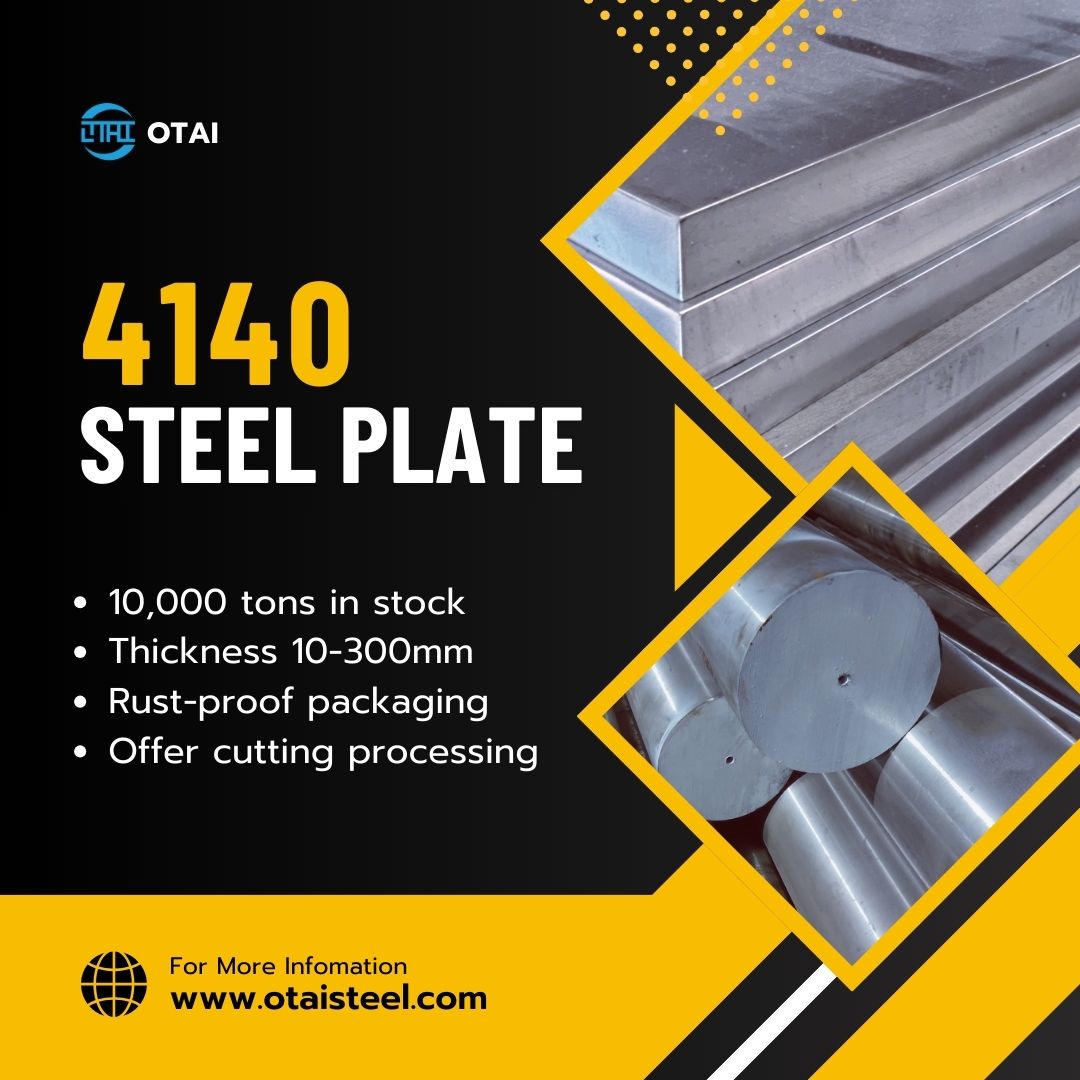
When industries need a balance of toughness, wear resistance, and strength, 4140 steel for sale becomes a hot search. Engineers, buyers, and manufacturers often look for reliable suppliers who can provide 4140 in various shapes, sizes, and conditions. But before you place an order, it’s smart to understand what makes this alloy unique and how to select the right form for your project.


🌟 Why 4140 Steel Is in High Demand

4140 alloy steel belongs to the chromium-molybdenum family. With a medium carbon content (0.38–0.43%), it delivers:

  • High tensile strength (up to 1080 MPa)

  • Good impact resistance

  • Excellent machinability in both annealed and pre-hardened states

  • Compatibility with heat treatment for higher hardness

These properties make it a top choice in industries such as oil & gas, automotive, aerospace, defense, and heavy machinery.


📐 Common Forms of 4140 Steel for Sale

4140 steel is not sold in a single shape. Depending on the application, buyers can choose from several common forms:

Form Typical Sizes Available Applications
4140 steel plate for sale 6mm – 300mm thick Mold bases, dies, machine beds, wear-resistant components
4140 steel round bar for sale Dia. 20mm – 800mm Shafts, gears, axles, fasteners
4140 steel tube for sale OD 25mm – 600mm Oil industry tubing, structural parts, automotive components
Cut-to-size blocks Customized Tooling, prototypes, one-off parts

🛠️ Factors to Consider When Buying 4140 Steel

When searching for where to buy 4140 steel, you should keep these factors in mind:

  1. Heat Treatment Condition

    • Annealed 4140 is easier to machine.

    • Quenched and tempered 4140 offers higher hardness (28–32 HRC).

    • Pre-hardened stock is a time-saver for fast production.

  2. Certification & Testing

    • Always ask suppliers for mill test certificates (MTC).

    • For critical projects, request UT testing, chemical composition reports, and SGS/third-party inspection.

  3. Supplier Reliability

    • Choose 4140 alloy steel suppliers with large stock.

    • Look for consistent quality and the ability to provide cutting, heat treatment, and packaging.

  4. Price vs. Quality

    • Many buyers search for cheap 4140 steel suppliers, but low cost shouldn’t compromise quality.

    • A trusted 4140 steel distributor ensures stable supply at a competitive price.


🔍 Where to Find 4140 Steel for Sale

  • Buy 4140 steel online – Many distributors offer online ordering systems with instant quotes.

  • Local steel stockholders – Searching “4140 steel stock near me” often leads to nearby suppliers for urgent orders.

  • Specialized alloy steel suppliers – Companies like Otai Special Steel focus on alloy steels, offering both bulk and small-lot orders.


📊 Heat Treatment and Hardness Range

To better understand what you’re buying, here’s a quick look at how heat treatment affects hardness:

Condition Hardness (HRC) Notes
Annealed 4140 ~ 197 HB (~20 HRC) Best for machining
Pre-hardened 4140 28–32 HRC Used for molds, tools
Quenched & tempered 4140 35–55 HRC High wear resistance

This flexibility makes 4140 steel hardness after heat treatment adjustable to fit different engineering needs.


🏭 Company Advantage – Why Choose Otai Special Steel

At Otai Special Steel, we provide 4140 steel for sale in plates, bars, and tubes with inventory exceeding 10,000 tons. Our advantages include:

  • ✅ Full range of sizes (6mm–300mm plates, 20–800mm round bars, 25–600mm tubes)

  • ✅ In-house cutting, heat treatment, and machining services

  • ✅ Quality assurance with UT, composition analysis, and third-party inspection (SGS, TUV)

  • ✅ Proven track record with global clients such as Thyssenkrupp, Borealis, and Schlumberger

  • ✅ Stable supply and cost-effective pricing for both large orders and custom projects


❓ FAQ – Buying 4140 Steel

Q1: Can I buy small quantities of 4140 steel online?
Yes. Many suppliers, including Otai, offer cut-to-size service for small orders.

Q2: What’s the difference between 4140 plate and bar?
Plates are better for tooling and wear parts, while bars are used for shafts and rotating components.

Q3: How do I know if the 4140 steel is genuine?
Check for MTC, chemical composition, and request hardness testing.

Q4: Does pre-hardened 4140 save time?
Yes. Pre-hardened 4140 eliminates the need for post-machining heat treatment in many applications.

Q5: What industries commonly buy 4140 steel?
Oil & gas, automotive, construction machinery, aerospace, and defense rely heavily on 4140 alloy steel.

0 0 Continue Reading →

Max Hardness of 4140 Steel – Everything Engineers Should Understand

Max Hardness of 4140 Steel – Everything Engineers Should UnderstandMax Hardness of 4140 Steel – Everything Engineers Should Understand
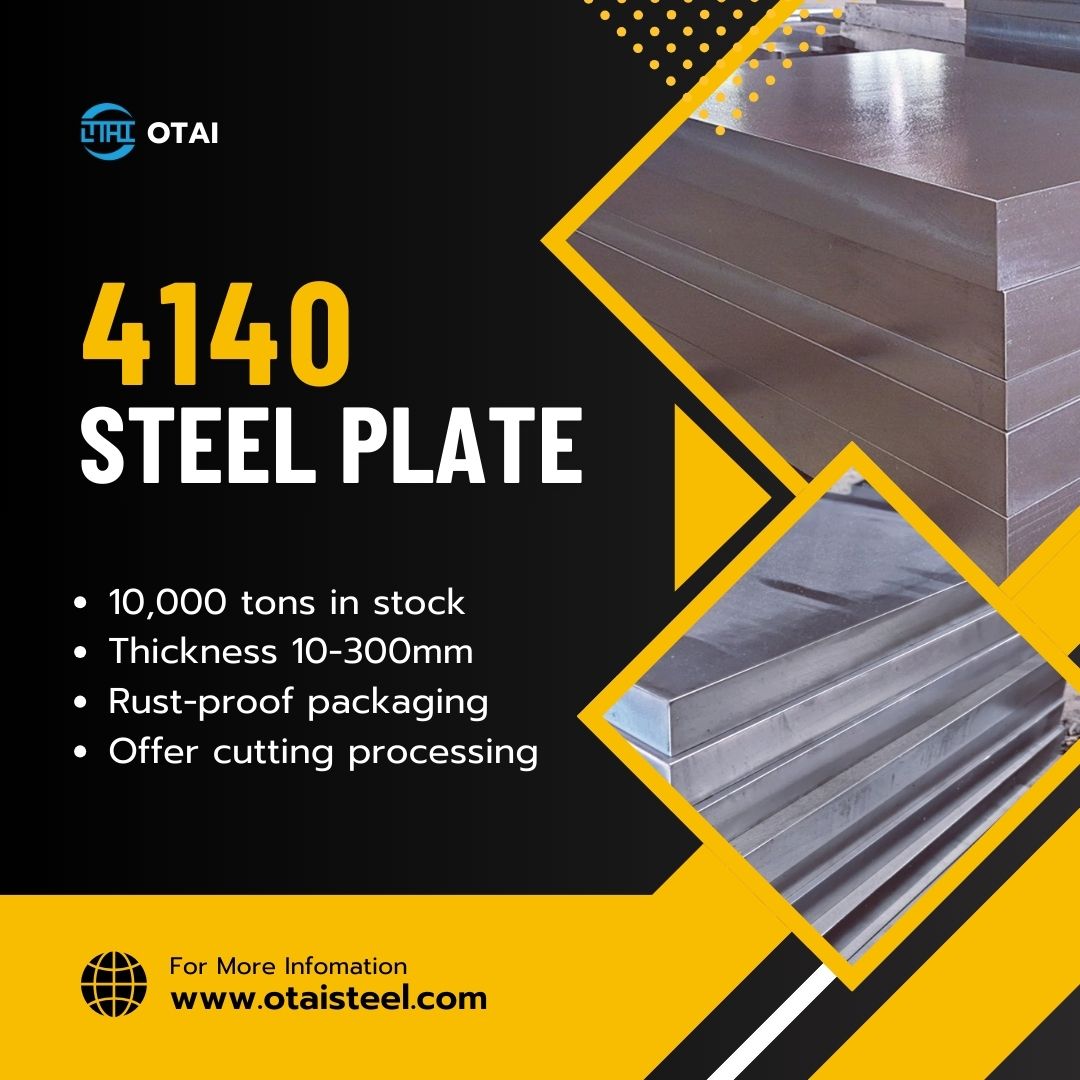
4140 steel is one of the most versatile alloy steels used in engineering, thanks to its combination of toughness, wear resistance, and good machinability. But one of the most common technical questions engineers and buyers ask is: What is the max hardness of 4140 steel and how does it change with heat treatment?

Let’s explore the full picture of hardness values, heat treatment methods, and practical considerations for using 4140 steel in demanding applications.


🌟 What Does “Max Hardness” Mean for 4140 Steel?

Hardness in steel indicates resistance to indentation and wear, usually measured on the Rockwell C scale (HRC). For 4140, the max hardness of 4140 steel depends heavily on heat treatment conditions, since alloying elements like chromium and molybdenum improve hardenability.

In its natural, annealed state, 4140 is relatively soft for machining, but after quenching and tempering, the hardness can increase dramatically.


🔧 Typical Hardness Ranges of 4140 Steel

The following table shows the 4140 steel hardness after heat treatment under different conditions:

Heat Treatment Condition Hardness (HRC) Notes
Annealed (as-supplied) 18 – 22 HRC hardness of annealed 4140 steel; soft, easy to machine
Normalized 28 – 32 HRC More strength, moderate machinability
Quenched + Tempered (low temper) 50 – 55 HRC quenched and tempered 4140 hardness at maximum level
Quenched + Tempered (high temper) 28 – 45 HRC Balanced hardness and toughness
Nitrided Surface Up to 60 – 65 HRC Very high surface hardness while core remains tough

From this data, we can conclude: the 4140 steel maximum Rockwell hardness typically reaches about 55 HRC after quenching and low-temperature tempering. With nitriding, surface hardness can exceed 60 HRC.


⚡ How Hard Can 4140 Steel Get?

So, how hard can 4140 steel get?

  • In practical engineering use, the maximum core hardness achievable is around 55 HRC.

  • With advanced surface treatments (nitriding, induction hardening), the steel’s surface may exceed 60–65 HRC.

  • However, hardness must always be balanced with toughness. Very high hardness makes the material brittle, unsuitable for high-impact applications.

That’s why engineers often use 4140 steel heat treatment hardness range between 28–45 HRC to achieve a balance between wear resistance and durability.


🔬 Hardness vs. Strength in 4140 Steel

Hardness isn’t just about wear resistance—it directly correlates with tensile strength. The 4140 steel tensile strength vs hardness relationship is crucial for design:

Hardness (HRC) Approx. Tensile Strength (MPa)
20 HRC ~655 MPa
30 HRC ~965 MPa
40 HRC ~1240 MPa
50 HRC ~1600 MPa

This shows that as hardness increases, tensile strength also rises. However, toughness usually decreases, so applications requiring shock resistance (like shafts and axles) cannot always use maximum hardness levels.


🛠️ Applications Based on Hardness

Choosing the right hardness depends on the application:

  • 28–35 HRC → Gears, automotive components, and machinery requiring durability and shock absorption.

  • 35–45 HRC → High-strength shafts, spindles, and tooling applications.

  • 50–55 HRC → Wear parts, molds, and dies where wear resistance is critical.

  • 60+ HRC (surface treated) → Nitrided gears, bearings, or parts requiring extreme surface hardness.


📈 Practical Tips for Engineers

  1. Don’t always chase the max hardness of 4140 steel—balance toughness and wear resistance.

  2. For machining, select material in the hardness of annealed 4140 steel range (18–22 HRC).

  3. Use a 4140 steel hardness chart to quickly check achievable values under different conditions.

  4. For extreme wear, consider surface treatments rather than pushing the core hardness too high.


💡 Company Advantages – Why Choose Otai Special Steel

At Otai Special Steel, we provide:

  • Large Inventory: Over 10,000 tons of 4140 steel plates, bars, and blocks, thickness from 6mm to 300mm.

  • Heat Treatment Services: Annealing, quenching, tempering, and nitriding to achieve the exact hardness range you need.

  • Quality Assurance: Ultrasonic testing (UT), chemical composition analysis, and SGS/third-party inspection.

  • Global Reputation: Supplying to clients such as Thyssenkrupp, Borealis, and Schlumberger.

  • Customized Processing: Precision cutting, machining, and packaging to save you time and cost.

If you’re sourcing 4140 steel hardness after heat treatment materials with reliable quality, Otai is your trusted partner.


❓ FAQ

Q1: What is the maximum hardness of 4140 steel in HRC?
The 4140 steel hardness in HRC can reach about 55 HRC after quenching and tempering. With nitriding, surface hardness may go beyond 60 HRC.

Q2: Can 4140 steel be hardened without quenching?
No, significant hardness improvement requires quenching followed by tempering. Nitriding or induction hardening can improve only the surface.

Q3: Is harder always better for 4140 steel?
Not always. While higher hardness improves wear resistance, it reduces toughness. Many engineering parts use 28–45 HRC for balance.

Q4: How do I check 4140 steel hardness during processing?
Hardness testing (Rockwell C) is the standard method. Many suppliers also provide a 4140 steel hardness chart for reference.

Q5: Does hardness affect machinability?
Yes, machining is easiest in the annealed state (18–22 HRC). Above 35 HRC, cutting tools require carbide inserts or advanced coatings.

0 0 Continue Reading →

4140 alloy Steel Machining Properties: What you Need to Know

4140 alloy Steel Machining Properties: What you Need to Know4140 alloy Steel Machining Properties: What you Need to Know
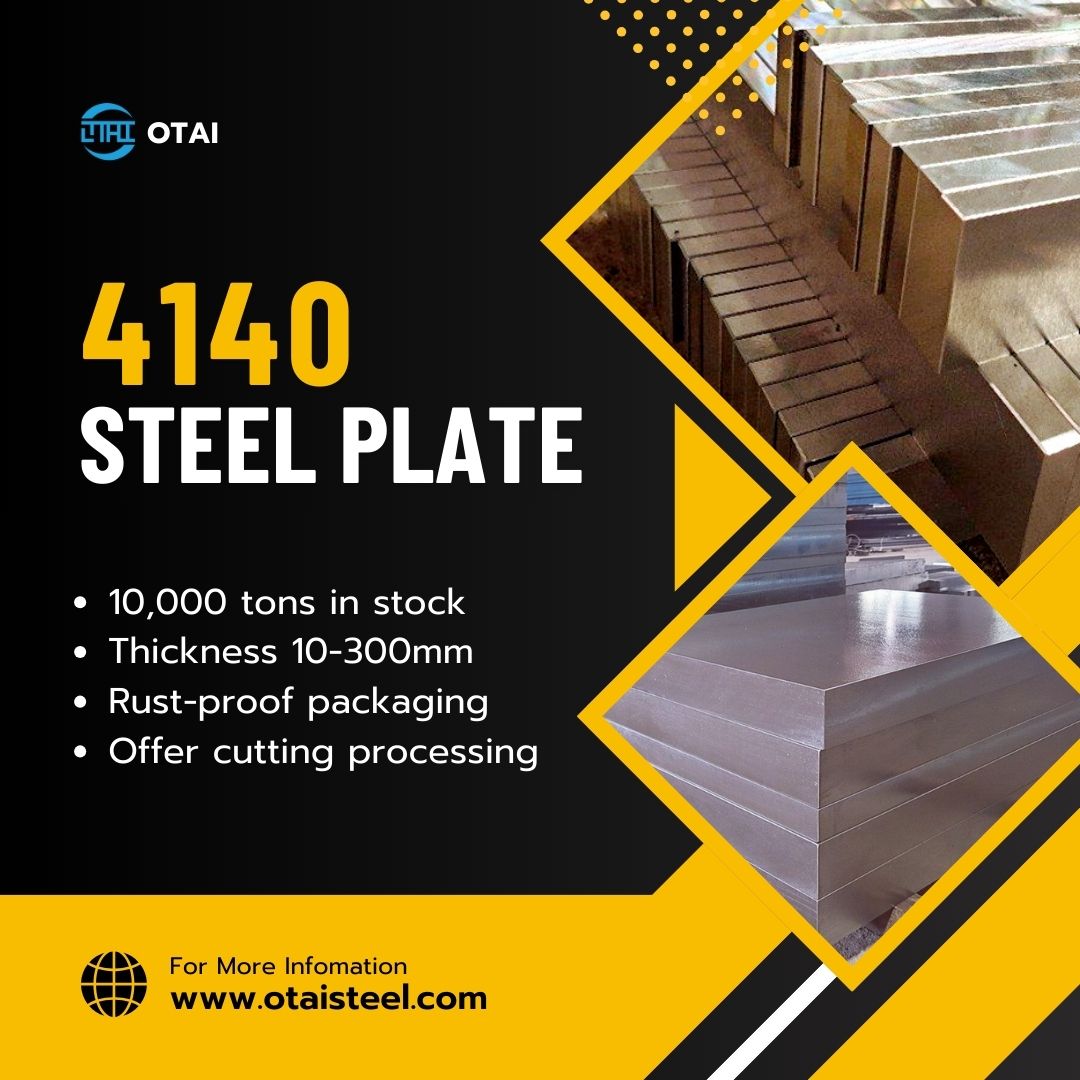
If you work in metal fabrication, automotive, or heavy machinery, you’ve probably encountered 4140 steel more than once. Known for its strength, toughness, and versatility, this alloy steel is a favorite for high-stress components like shafts, gears, and tooling parts. But when it comes to machining, 4140 can be both a friend and a foe. Its mechanical properties make it suitable for demanding applications, but those same properties can present challenges during cutting, drilling, or turning.

In this guide, we’ll dive deep into the machining properties of 4140 alloy steel, covering everything from tool selection and cutting speeds to heat treatment effects and practical tips for achieving precise results.


🌟 Understanding 4140 Steel Composition and Grades

Before we talk about machining, it’s important to understand what makes 4140 unique. This steel is a chromium-molybdenum alloy with the following typical composition:

Element Content (%)
Carbon (C) 0.38 – 0.43
Chromium (Cr) 0.80 – 1.10
Molybdenum (Mo) 0.15 – 0.25
Manganese (Mn) 0.75 – 1.00
Silicon (Si) 0.15 – 0.30

These alloying elements contribute to high tensile strength, excellent toughness, and good wear resistance—key factors that influence its behavior during machining.


🛠 Machinability Rating of 4140 Steel

Machinability is often expressed as a percentage relative to a standard (B1112 free-machining steel = 100%). In its annealed state, 4140 steel machinability is typically rated at 65%. That means it’s harder to cut than mild steels but still manageable with the right tools and parameters.

The machining experience changes significantly depending on the steel’s condition:

Condition Brinell Hardness (HB) Machinability Notes
Annealed 197 – 217 HB Easier to cut, minimal tool wear
Pre-hardened (28-32 HRC) ~269 – 302 HB Requires slower speeds and harder tooling
Quenched & tempered 35-40+ HRC Demands carbide or coated tooling, aggressive cooling

⚙ Factors That Affect Machining 4140 Steel

Several factors impact how 4140 behaves under a cutting tool:

  1. Heat Treatment – The more hardened the steel, the greater the cutting resistance and tool wear.

  2. Tool Material – High-speed steel (HSS) works for softer states, while carbide inserts excel for hardened 4140.

  3. Cutting Speeds & Feeds – Higher hardness demands slower cutting speeds and smaller depths of cut.

  4. Coolant & Lubrication – Essential for dissipating heat and preventing tool chipping.

  5. Chip Control – 4140 produces continuous chips; proper chip breakers are necessary to avoid tangling.


📏 Recommended Machining Parameters for 4140 Steel

Here’s a quick reference table for cutting speeds and feeds for 4140 steel in different states:

Condition Tool Material Cutting Speed (m/min) Feed Rate (mm/rev)
Annealed HSS 20 – 30 0.10 – 0.30
Annealed Carbide 80 – 120 0.15 – 0.40
Hardened 30-35 HRC Carbide 50 – 80 0.10 – 0.30
Hardened 35-40 HRC Carbide 30 – 50 0.05 – 0.20

🌀 Drilling, Turning, and Milling Tips

Turning:

  • Use positive rake angles to reduce cutting force.

  • Minimize vibration with rigid setups and balanced tooling.

Drilling:

  • For drilling 4140 steel, cobalt HSS drills work well in annealed state.

  • In hardened conditions, solid carbide drills are necessary.

Milling:

  • Climb milling often yields better surface finishes.

  • Coated carbide end mills (TiAlN or TiCN) provide longer tool life.


🔥 The Effect of Heat Treatment on Machining

Annealed 4140 steel is the easiest to machine due to its lower hardness. However, many industrial applications require it in pre-hardened or quenched and tempered conditions, which makes machining more challenging.
If tight tolerances are required, many engineers prefer machining before heat treatment and then performing grinding or finishing afterward.


🛡 Tool Wear and Surface Finish Considerations

When machining high-strength 4140 steel, heat is the biggest enemy. Overheating leads to:

  • Loss of cutting edge sharpness

  • Poor surface finish

  • Increased tool chipping

To combat this:

  • Use generous coolant flow (preferably high-pressure coolant for deep holes).

  • Select wear-resistant coatings like TiAlN.

  • Avoid rubbing cuts—engage the tool fully.


🏭 Applications Where Machining 4140 Steel Shines

Because of its toughness and machinability balance, 4140 is used in:

  • Shaft manufacturing

  • Custom tooling

  • Hydraulic cylinder parts

  • Gear components

  • Mold bases

These parts often require both precision machining and high performance in service.


📌 Pro Tips for Machining 4140 Steel Efficiently

  1. Plan for Heat Treatment – Decide whether to machine in the soft state or after hardening.

  2. Invest in Tooling – High-quality carbide tools pay off in hardened states.

  3. Control Chips – Use chip breakers to avoid downtime.

  4. Surface Integrity Matters – Monitor for work hardening in hardened conditions.

  5. Keep Speeds Conservative – Especially for hardened 4140, slower is often better.


🌟 Company Advantages – Why Choose Otai Special Steel?

At Otai Special Steel, we stock a huge inventory of 4140 alloy steel plates in thicknesses from 6mm to 300mm. With over 10,000 tons available year-round, we ensure quick delivery for global customers. Our services include:

  • Custom cutting to exact sizes

  • Heat treatment options for your specific needs

  • Quality assurance through ultrasonic testing and composition analysis

  • Third-party inspection (SGS, etc.) upon request

Our experience with international clients like Thyssenkrupp and Schlumberger guarantees you receive both quality and reliability.


❓ FAQ – Machining 4140 Steel

Q1: Can 4140 steel be machined after hardening?
Yes, but it requires carbide tooling, slower speeds, and more coolant.

Q2: What’s the best tool for drilling hardened 4140?
Solid carbide drills with TiAlN coating are ideal.

Q3: Does heat treatment before machining save cost?
Usually no—most manufacturers machine first, then heat treat for dimensional control.

Q4: What surface finish can I expect?
With proper tooling and parameters, Ra 1.6–3.2 μm is achievable.

Q5: Is 4140 better than mild steel for machining?
It’s harder to machine than mild steel but offers far superior strength and durability.

0 0 Continue Reading →

4140 Steel Characteristics: how its composition affects performance

4140 Steel Characteristics: how its composition affects performance4140 Steel Characteristics: how its composition affects performance
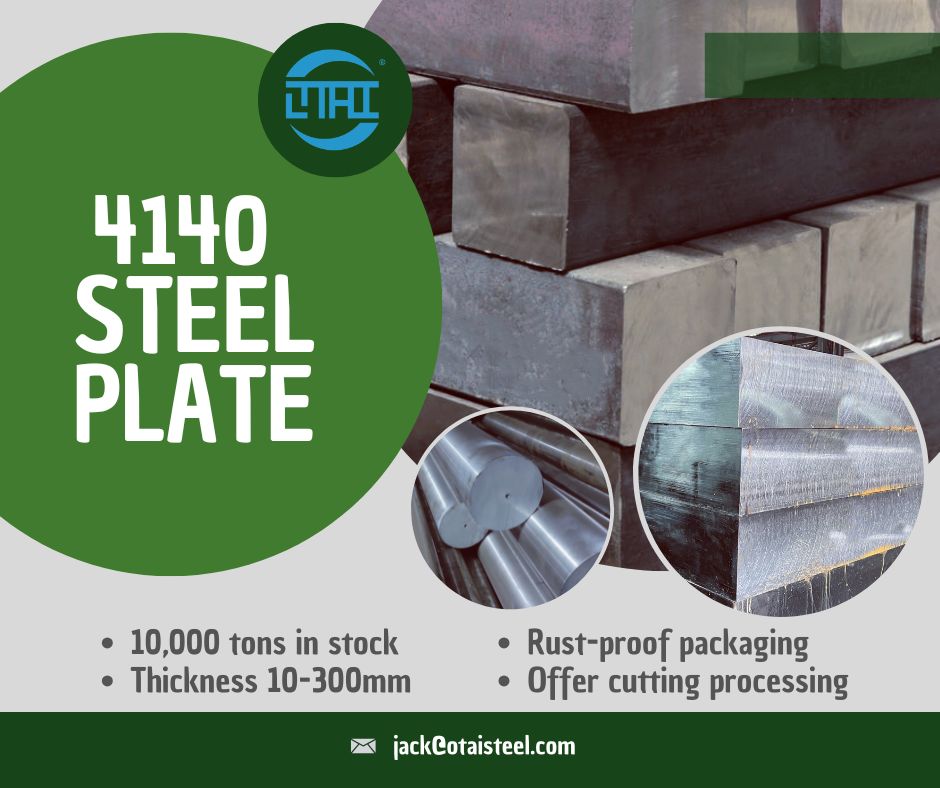
4140 steel is a versatile chromium-molybdenum alloy steel known for its strength, hardness, and toughness. With its excellent mechanical properties, it serves a wide range of industrial applications, from automotive to machinery. Understanding the key characteristics of 4140 steel helps engineers optimize its performance in critical applications requiring high strength, fatigue resistance, and durability.

In this article, we’ll explore the key characteristics of 4140 steel, how its composition affects performance, and the processes that enhance its properties. We’ll also discuss common applications and compare 4140 steel to other materials in terms of performance and cost.


🧪 What is 4140 Steel?

4140 steel is a medium-carbon, low-alloy steel containing chromium and molybdenum as its main alloying elements. These elements improve the steel’s hardenability, strength, and toughness. As a chromium-molybdenum (Cr-Mo) alloy, 4140 steel works well in applications demanding both high strength and wear resistance.

The composition typically includes:

  • 0.40% Carbon
  • 0.90% – 1.20% Chromium
  • 0.15% – 0.25% Molybdenum
  • Manganese and Silicon for improved strength and machinability

4140 steel excels in applications where strength and toughness are crucial, making it an ideal choice for parts under high-stress conditions.


🔧 Key Characteristics of 4140 Steel

4140 steel is widely known for its high strength, excellent toughness, and good machinability. Below, we outline the main characteristics of 4140 steel:

1. High Strength

The tensile strength of 4140 steel ranges from 850 MPa to 1000 MPa, making it ideal for parts that must endure high mechanical stress.

  • Yield Strength: Typically ranges from 650 MPa to 850 MPa
  • Tensile Strength: Typically ranges from 850 MPa to 1000 MPa

This high strength makes 4140 steel perfect for axles, shafts, and gears that need to withstand significant forces.

2. Excellent Toughness

4140 steel maintains high toughness, allowing it to absorb energy under impact loading without failing. It performs well under both static and dynamic loads, especially when exposed to frequent impacts.

  • Impact Toughness: Typically ranges from 35 J to 55 J at room temperature

This toughness makes 4140 steel suitable for machinery parts and automotive components exposed to frequent impacts.

3. Good Wear Resistance

The alloying elements in 4140 steel, such as chromium, provide it with good wear resistance. This feature is particularly valuable for gears, bearings, and other components subject to abrasive conditions.

  • Chromium significantly enhances its ability to resist wear, making it a top choice for components in rotating machinery.

4. Excellent Hardenability

Thanks to its chromium and molybdenum content, 4140 steel has excellent hardenability, allowing it to form a hardened surface layer while maintaining a ductile and tough core. This makes 4140 steel ideal for parts that need a hard surface and a tough interior.

  • After heat treatment, 4140 steel can achieve a surface hardness between 56 – 62 HRC.

5. Good Machinability and Weldability

Although 4140 steel is a relatively hard material, it machines well, especially in the annealed or normalized condition. It also has weldability, though careful control of the heat-affected zone is necessary to avoid cracking.

  • Welding Tip: Preheat the material before welding to reduce the risk of cracking.

This characteristic makes 4140 steel widely used in precision machining and industrial applications.


🛠️ Heat Treatment of 4140 Steel

One of the main advantages of 4140 steel is its ability to undergo heat treatment to adjust its strength, hardness, and toughness. Heat treatment processes include:

  1. Normalization: Refines the grain structure, improving uniformity and machining.
  2. Quenching and Tempering: Increases strength and hardness while balancing toughness.
  3. Induction Hardening: Hardens the surface without affecting the core.

Heat Treatment Process

Process Resulting Property Trend
Normalization Refines grain structure
Quenching High hardness (surface)
Tempering Balances toughness and strength
Induction Hardening Hardens surface, retains core toughness

4140 steel can be tailored to meet specific mechanical requirements through these processes.


🏗️ Applications of 4140 Steel

The versatile properties of 4140 steel make it suitable for many demanding applications. Some common uses include:

  • Automotive Industry: Axles, gears, drive shafts, crankshafts
  • Aerospace Industry: Landing gear components, wheels, fasteners
  • Industrial Machinery: Machine tool components, shafts, drives
  • Oil & Gas Industry: Drill rods, tubing, valves
  • Heavy Equipment: Pins, bushings, crankshafts

Each of these applications takes advantage of 4140 steel’s strength, toughness, and wear resistance, ensuring long-lasting and reliable performance.


📊 Comparison of 4140 Steel with Other Materials

Property 4140 Steel 1045 Steel 4340 Steel
Tensile Strength 850 – 1000 MPa 600 – 700 MPa 1000 – 1200 MPa
Yield Strength 650 – 850 MPa 400 – 500 MPa 900 – 1100 MPa
Wear Resistance Good Moderate Excellent
Toughness High Moderate Very High
Common Uses Gears, Shafts, Crankshafts General Purpose Parts Aerospace, Heavy-duty Parts

As shown, 4140 steel strikes a balance between strength, toughness, and wear resistance, making it a versatile material. However, if maximum strength is required, 4340 steel may be a better choice.


🏅 Company Advantages – Otai Special Steel

At Otai Special Steel, we provide 4140 steel with consistent quality and performance. We ensure that every batch meets industry standards and specifications, whether for custom cutting, heat treatment, or material certification.

Why Choose Otai Special Steel?

  • High-Quality Materials: We supply 4140 steel that meets international standards.
  • Customization: Custom cutting, heat treatment, and precision machining to meet your needs.
  • Fast Delivery: With a large inventory and reliable supply chain, we deliver your order on time.
  • Technical Expertise: Our team offers engineering support to help you select the right materials for your project.

Frequently Asked Questions (FAQ)

Q1: Can 4140 steel be used for welding?
A1: Yes, 4140 steel is weldable, but the heat-affected zone must be carefully controlled to avoid cracking.

Q2: How does 4140 steel compare to 4340 steel?
A2: While 4340 steel offers higher tensile strength, 4140 steel provides a better balance of strength and toughness, making it ideal for many industrial applications.

Q3: What industries use 4140 steel?
A3: 4140 steel is used in automotive, aerospace, industrial machinery, and oil and gas industries for components like gears, shafts, and drivetrain parts.

0 0 Continue Reading →

Understanding 4140 Steel Machining Property

Understanding 4140 Steel Machining PropertyUnderstanding 4140 Steel Machining Property

If you work in metal fabrication, automotive, or heavy machinery, you’ve probably encountered 4140 steel more than once. Known for its strength, toughness, and versatility, this alloy steel is a favorite for high-stress components like shafts, gears, and tooling parts. But when it comes to machining, 4140 can be both a friend and a foe. Its mechanical properties make it suitable for demanding applications, but those same properties can present challenges during cutting, drilling, or turning.

In this guide, we’ll dive deep into the machining property of 4140 steel, covering everything from tool selection and cutting speeds to heat treatment effects and practical tips for achieving precise results.


🌟 Understanding 4140 Steel Composition and Grades

Before we talk about machining, it’s important to understand what makes 4140 unique. This steel is a chromium-molybdenum alloy with the following typical composition:

Element Content (%)
Carbon (C) 0.38 – 0.43
Chromium (Cr) 0.80 – 1.10
Molybdenum (Mo) 0.15 – 0.25
Manganese (Mn) 0.75 – 1.00
Silicon (Si) 0.15 – 0.30

These alloying elements contribute to high tensile strength, excellent toughness, and good wear resistance—key factors that influence its behavior during machining.


🛠 Machinability Rating of 4140 Steel

Machinability is often expressed as a percentage relative to a standard (B1112 free-machining steel = 100%). In its annealed state, 4140 steel machinability is typically rated at 65%. That means it’s harder to cut than mild steels but still manageable with the right tools and parameters.

The machining experience changes significantly depending on the steel’s condition:

Condition Brinell Hardness (HB) Machinability Notes
Annealed 197 – 217 HB Easier to cut, minimal tool wear
Pre-hardened (28-32 HRC) ~269 – 302 HB Requires slower speeds and harder tooling
Quenched & tempered 35-40+ HRC Demands carbide or coated tooling, aggressive cooling

⚙ Factors That Affect Machining 4140 Steel

Several factors impact how 4140 behaves under a cutting tool:

  1. Heat Treatment – The more hardened the steel, the greater the cutting resistance and tool wear.

  2. Tool Material – High-speed steel (HSS) works for softer states, while carbide inserts excel for hardened 4140.

  3. Cutting Speeds & Feeds – Higher hardness demands slower cutting speeds and smaller depths of cut.

  4. Coolant & Lubrication – Essential for dissipating heat and preventing tool chipping.

  5. Chip Control – 4140 produces continuous chips; proper chip breakers are necessary to avoid tangling.


📏 Recommended Machining Parameters for 4140 Steel

Here’s a quick reference table for cutting speeds and feeds for 4140 steel in different states:

Condition Tool Material Cutting Speed (m/min) Feed Rate (mm/rev)
Annealed HSS 20 – 30 0.10 – 0.30
Annealed Carbide 80 – 120 0.15 – 0.40
Hardened 30-35 HRC Carbide 50 – 80 0.10 – 0.30
Hardened 35-40 HRC Carbide 30 – 50 0.05 – 0.20

🌀 Drilling, Turning, and Milling Tips

Turning:

  • Use positive rake angles to reduce cutting force.

  • Minimize vibration with rigid setups and balanced tooling.

Drilling:

  • For drilling 4140 steel, cobalt HSS drills work well in annealed state.

  • In hardened conditions, solid carbide drills are necessary.

Milling:

  • Climb milling often yields better surface finishes.

  • Coated carbide end mills (TiAlN or TiCN) provide longer tool life.


🔥 The Effect of Heat Treatment on Machining

Annealed 4140 steel is the easiest to machine due to its lower hardness. However, many industrial applications require it in pre-hardened or quenched and tempered conditions, which makes machining more challenging.
If tight tolerances are required, many engineers prefer machining before heat treatment and then performing grinding or finishing afterward.


🛡 Tool Wear and Surface Finish Considerations

When machining high-strength 4140 steel, heat is the biggest enemy. Overheating leads to:

  • Loss of cutting edge sharpness

  • Poor surface finish

  • Increased tool chipping

To combat this:

  • Use generous coolant flow (preferably high-pressure coolant for deep holes).

  • Select wear-resistant coatings like TiAlN.

  • Avoid rubbing cuts—engage the tool fully.


🏭 Applications Where Machining 4140 Steel Shines

Because of its toughness and machinability balance, 4140 is used in:

  • Shaft manufacturing

  • Custom tooling

  • Hydraulic cylinder parts

  • Gear components

  • Mold bases

These parts often require both precision machining and high performance in service.


📌 Pro Tips for Machining 4140 Steel Efficiently

  1. Plan for Heat Treatment – Decide whether to machine in the soft state or after hardening.

  2. Invest in Tooling – High-quality carbide tools pay off in hardened states.

  3. Control Chips – Use chip breakers to avoid downtime.

  4. Surface Integrity Matters – Monitor for work hardening in hardened conditions.

  5. Keep Speeds Conservative – Especially for hardened 4140, slower is often better.


🌟 Company Advantages – Why Choose Otai Special Steel?

At Otai Special Steel, we stock a huge inventory of 4140 alloy steel plates in thicknesses from 6mm to 300mm. With over 10,000 tons available year-round, we ensure quick delivery for global customers. Our services include:

  • Custom cutting to exact sizes

  • Heat treatment options for your specific needs

  • Quality assurance through ultrasonic testing and composition analysis

  • Third-party inspection (SGS, etc.) upon request

Our experience with international clients like Thyssenkrupp and Schlumberger guarantees you receive both quality and reliability.


❓ FAQ – 4140 Steel Machining Property

Q1: Can 4140 steel be machined after hardening?
Yes, but it requires carbide tooling, slower speeds, and more coolant.

Q2: What’s the best tool for drilling hardened 4140?
Solid carbide drills with TiAlN coating are ideal.

Q3: Does heat treatment before machining save cost?
Usually no—most manufacturers machine first, then heat treat for dimensional control.

Q4: What surface finish can I expect?
With proper tooling and parameters, Ra 1.6–3.2 μm is achievable.

Q5: Is 4140 better than mild steel for machining?
It’s harder to machine than mild steel but offers far superior strength and durability.

0 0 Continue Reading →