 A2 Steel Pricing Breakdown: Factors to Consider
Introduction
A2 steel, known for its excellent wear resistance and toughness, plays a crucial role in various industrial applications such as tooling, dies, and precision components. Understanding the factors influencing A2 steel cost is essential for businesses involved in manufacturing and procurement. This article explores the dynamics of A2 steel pricing, providing insights into what drives its cost and how stakeholders can navigate pricing fluctuations.
Factors Affecting A2 Steel Cost
Raw Material Costs:
- A2 steel is primarily composed of chromium, manganese, molybdenum, and vanadium, among other alloying elements. Fluctuations in the prices of these raw materials directly impact the overall cost of A2 steel.
- Global supply chains and geopolitical factors can disrupt the availability and pricing of raw materials, influencing A2 steel production costs.
- Strategies such as bulk purchasing and diversifying suppliers help mitigate risks associated with volatile raw material prices.
Manufacturing and Processing Costs:
- Technological advancements in steel manufacturing processes have improved efficiency but also require significant capital investment, impacting production costs.
- Labor costs, including wages and benefits, contribute significantly to the overall cost structure of A2 steel production.
- Compliance with environmental regulations adds operational costs, necessitating sustainable practices and investments in eco-friendly technologies.
Market Demand and Supply Dynamics:
- Fluctuations in market demand, influenced by economic cycles and industry-specific trends, affect A2 steel pricing.
- Supply chain disruptions, such as natural disasters or geopolitical tensions, can lead to shortages and price spikes.
- Understanding seasonal variations and long-term demand projections helps stakeholders anticipate price movements and adjust procurement strategies accordingly.
Current Pricing Trends
Recent Price Fluctuations:
- Over the past decade, A2 steel prices have shown resilience amidst global economic uncertainties, reflecting its critical role in manufacturing.
- Recent data indicates periodic price adjustments due to shifts in raw material costs and market demand-supply dynamics.
- The COVID-19 pandemic highlighted vulnerabilities in global supply chains, impacting A2 steel availability and pricing worldwide.
Factors Influencing Price Changes:
- Economic factors such as inflation rates and currency fluctuations influence international trade and, consequently, A2 steel pricing.
- Trade policies, tariffs, and sanctions imposed by governments can disrupt global steel markets, affecting pricing strategies.
- Technological advancements and innovations in steel production methods may lead to cost efficiencies or investments that impact pricing.
Market Predictions and Forecasts:
- Analysts foresee steady growth in demand for A2 steel, driven by expanding applications in aerospace, automotive, and industrial machinery sectors.
- Strategic initiatives to enhance production capacities and streamline supply chains are expected to stabilize A2 steel prices in the medium to long term.
- Stakeholders are advised to monitor market trends closely and leverage predictive analytics to anticipate future price movements.
Buying Guide for A2 Steel
Finding the Best Prices:
- Utilize online platforms and marketplaces to compare pricing from multiple suppliers.
- Negotiation tactics, such as volume discounts or long-term contracts, can secure competitive A2 steel prices.
- Collaborate with certified suppliers who adhere to quality standards and offer transparent pricing structures.
Considerations When Purchasing:
- Evaluate shipping and logistics costs to optimize procurement expenses.
- Ensure suppliers provide comprehensive documentation and certifications (e.g., ASTM, ISO) to guarantee product quality and compliance.
- Establish contingency plans to mitigate risks associated with unexpected price fluctuations or supply chain disruptions.
Risk Management Strategies:
- Implement hedging strategies or forward contracts to hedge against A2 steel price volatility.
- Negotiate flexible contractual terms that accommodate fluctuating market conditions and safeguard against unforeseen cost increases.
- Cultivate long-term partnerships with reliable suppliers to foster stability and continuity in A2 steel procurement.
Case Studies or Examples
Real-World Examples of A2 Steel Pricing Scenarios:
- A manufacturing company successfully reduces A2 steel procurement costs by partnering with a regional supplier offering competitive pricing and just-in-time delivery.
- A distributor implements strategic sourcing strategies, leveraging market insights to negotiate favorable terms with international A2 steel suppliers.
- Client testimonials highlight cost-effective solutions and supplier relationships that have contributed to operational efficiency and cost savings.
Conclusion
In conclusion, navigating A2 steel cost dynamics requires a comprehensive understanding of the factors influencing pricing, from raw material costs and manufacturing expenses to market demand-supply dynamics. By adopting proactive procurement strategies, monitoring market trends, and fostering strategic partnerships, stakeholders can optimize A2 steel procurement processes and mitigate risks associated with pricing fluctuations. Stay informed, adapt to changing market conditions, and leverage industry insights to sustain competitive advantage in the evolving global steel market.
 OTAI’s Guide to 4140 Alloy Steel Plate Dimensions
 Advance Your Craft: A2 Steel Knives for High Precision and Durability
 Evaluate the Perks of Using 4340 Steel alloy from OTAI Steel
 4140 Steel Plate Hardness and Its Impact on Industrial Machining
 Examining 4340 Steel Features for Engineering Purposes
 How to Choose the Best Supplier for A2 Steel
 4140 Steel Applications List: Uncovering the Alloy’s Multifaceted Role
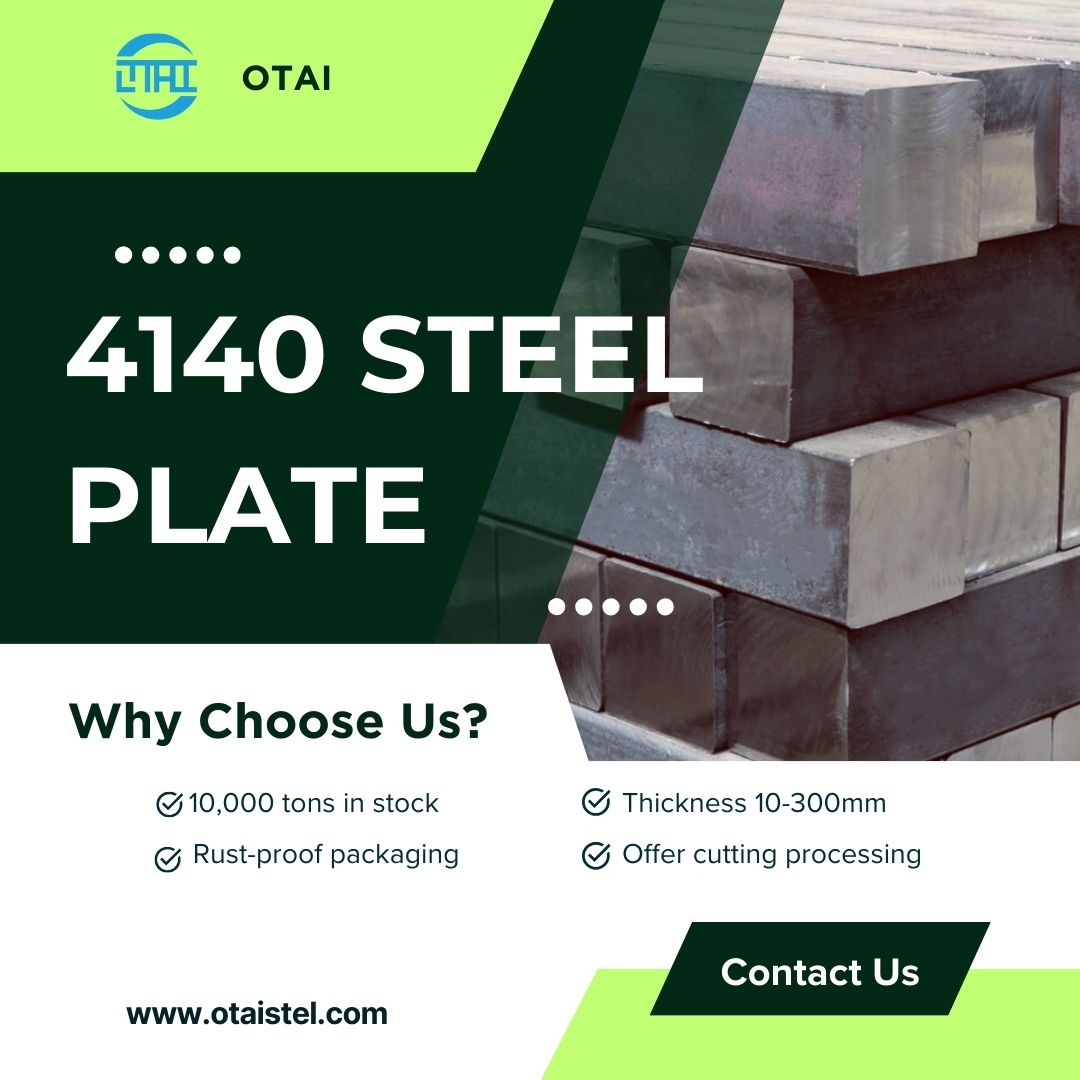 A2 Tool Steel Plates: Balancing Inventory Supply with Customer Satisfaction
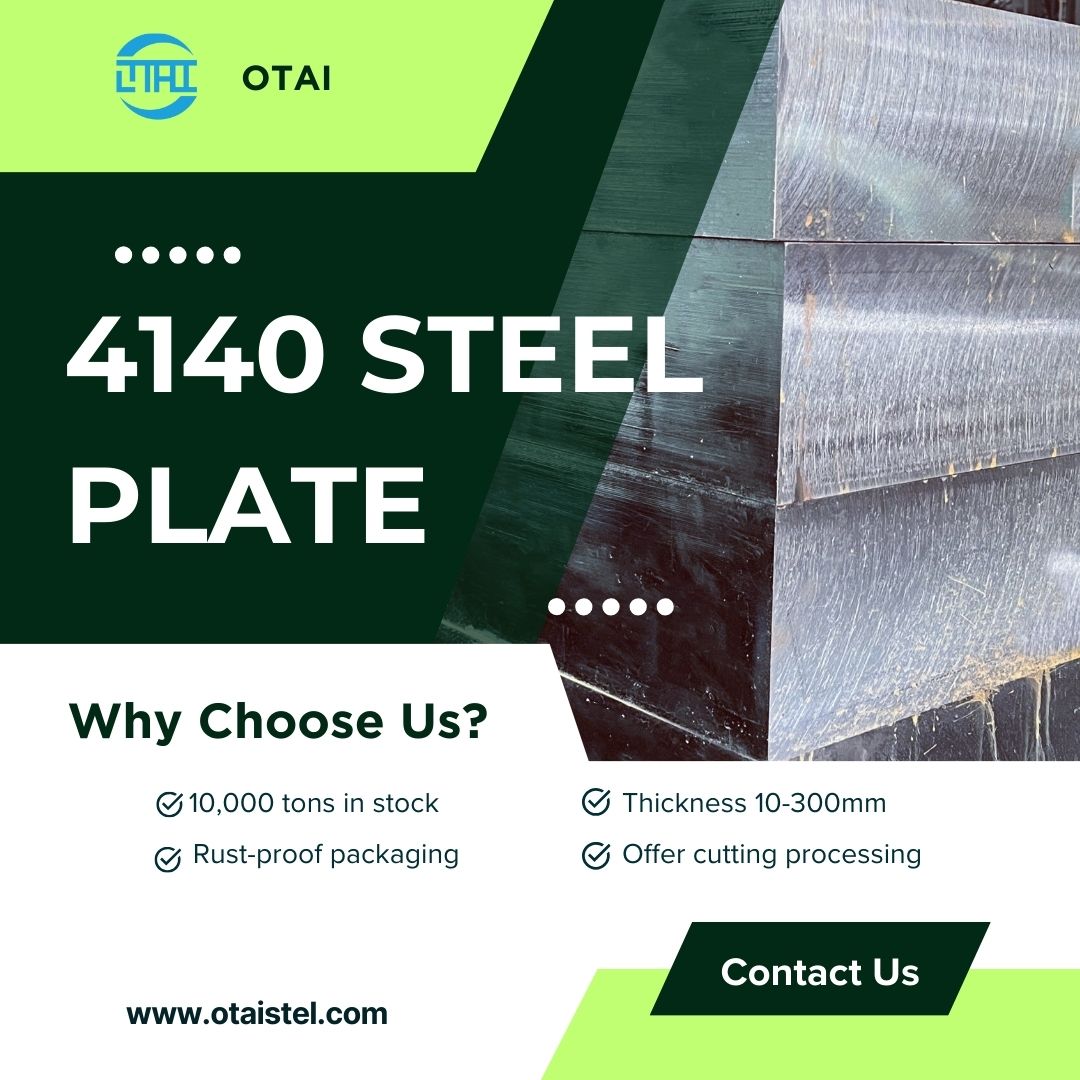 Understanding the Role of 4340 Steel in Engineering Applications
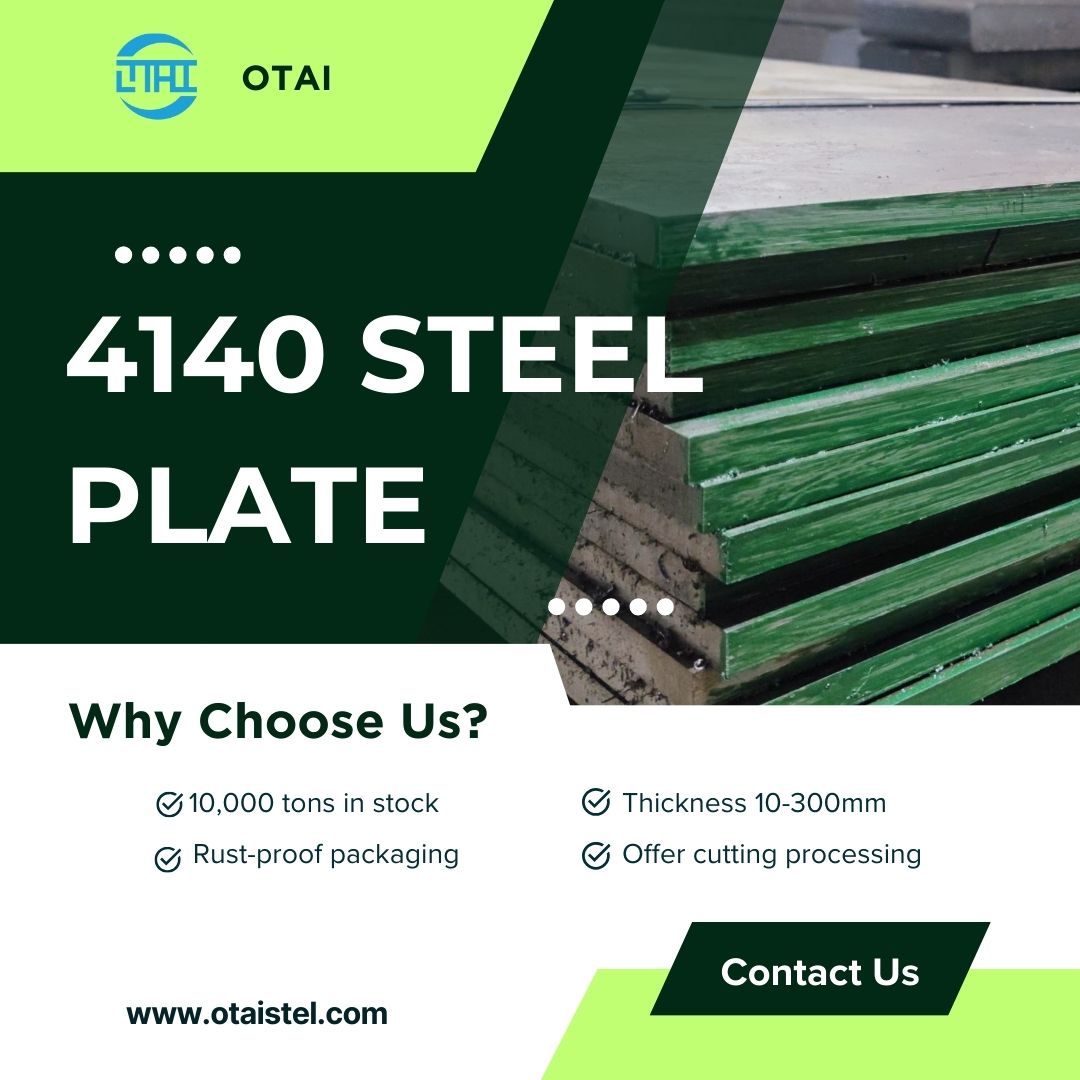 The Importance of 4140 Plate Thickness: From Specification to Solution
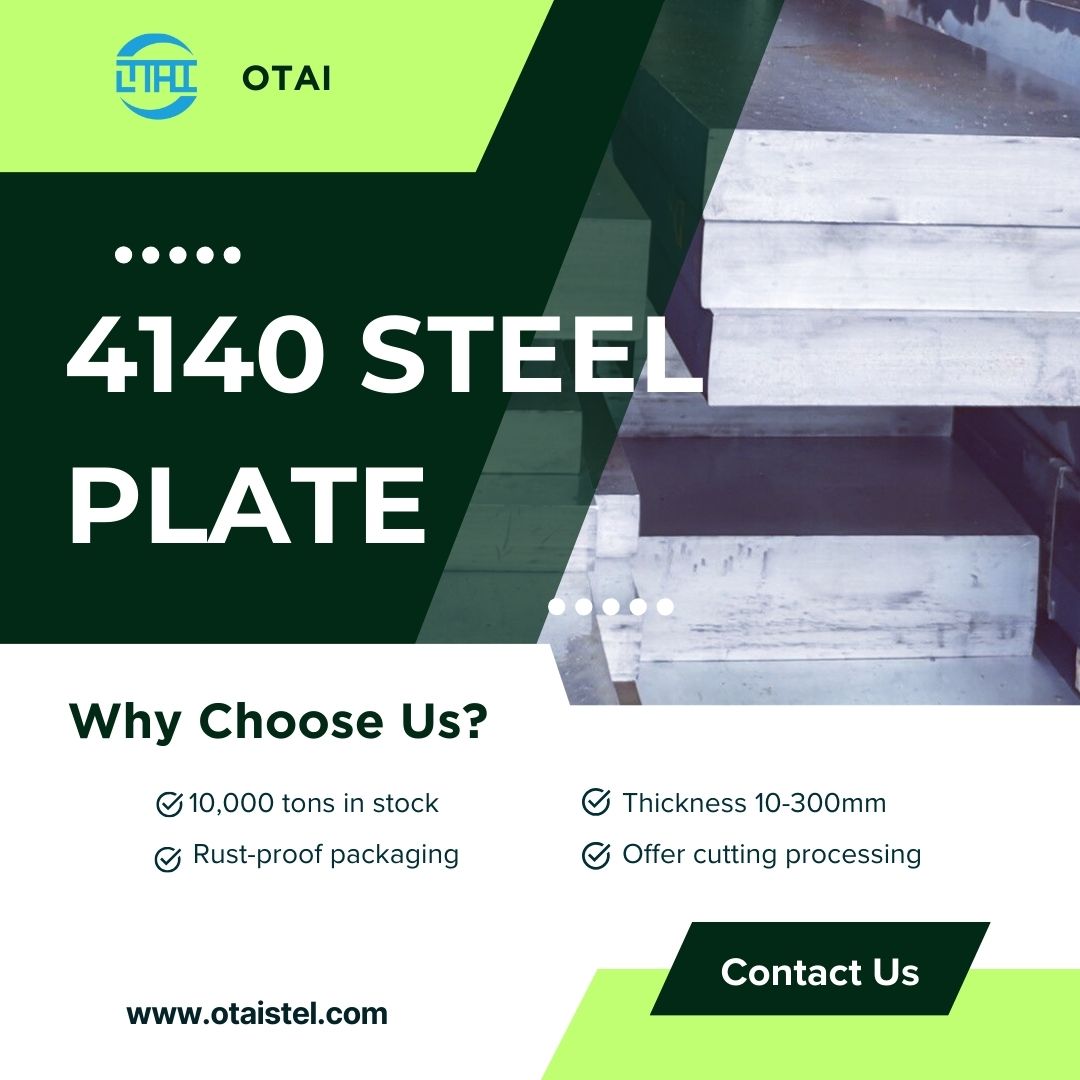 Advantages of OTAI Steel’s 4340: Why It’s a Top Choice