4140 Steel Cost: What Determines the Price for Industrial Buyers?
📑 Table of Contents
- 💰 Why 4140 Steel Cost Varies Between Suppliers
- 📦 Product Form, Dimensions and Material Yield
- 🔥 How Heat Treatment Affects 4140 Steel Cost
- ⚙️ Cutting, Machining and Surface Requirements
- 📊 Order Quantity and Purchasing Volume
- 🌍 Supplier Location, Shipping and Landed Cost
- 🧾 How to Compare 4140 Steel Supplier Quotes
- 📉 Practical Ways to Reduce 4140 Steel Purchasing Costs
- 📝 A Buyer’s Checklist for Requesting a 4140 Steel Quote
- 🏭 Why Consider Otai Special Steel for 4140 Steel
- ❓ FAQ About 4140 Steel Cost
4140 steel cost depends on more than the price of the raw material. For industrial buyers, the final purchasing cost also reflects product dimensions, heat-treatment condition, processing requirements, order quantity, inspection, packaging, transportation and delivery terms. Two quotations for AISI 4140 steel can therefore differ significantly even when both suppliers use the same grade designation.
4140 is a chromium-molybdenum alloy steel used in shafts, machinery components, fixtures, tooling and other parts that require a useful combination of strength, toughness and hardenability. However, buyers must define the required material condition and finished dimensions before comparing prices. Otherwise, a lower quotation may cover a different product specification or leave important costs outside the quoted amount.
This article explains the main factors that determine 4140 steel cost, how to compare supplier quotations and how to control purchasing expenses without compromising material quality.
💰 Why 4140 Steel Cost Varies Between Suppliers
The cost of 4140 steel changes with the product being purchased and the commercial terms attached to it. A stockholder supplying a small quantity of cut material has a different cost structure from a producer or exporter supplying a larger batch of standard-size steel. Neither price can be evaluated accurately without understanding what the quotation includes.
Material price versus total purchasing cost
Buyers often begin by comparing the price per kilogram or metric ton. This provides a useful starting point, but it does not always reveal the lowest-cost option. For example, one supplier may quote standard plate without cutting, while another may include cutting to size, material documentation and export packaging.
The second quotation may show a higher material price but require less additional processing after delivery. Conversely, a low initial quote can become expensive if it excludes necessary services or supplies dimensions that create excessive machining waste.
For a more complete comparison, evaluate these cost components:
- Base material: Grade, product form, dimensions and delivery condition.
- Processing: Saw cutting, precision cutting, machining, grinding or other specified operations.
- Heat treatment: Required condition, target hardness and applicable inspection.
- Quality assurance: Material test certificates, dimensional checks and any agreed additional testing.
- Logistics: Packaging, freight, insurance, customs charges and applicable taxes.
Not every order requires every item. The goal is to identify the services your application actually needs and compare suppliers on the same basis.
Why published prices may not match your quotation
Online prices can refer to retail quantities, standard stock dimensions or a particular delivery condition. A bulk industrial quotation may use a different pricing structure. Currency, region, supplier inventory, processing, order size and delivery terms also affect the final figure.
For this reason, avoid treating one advertised price as a universal benchmark for 4140 steel. Request a quotation for your exact specification, and confirm whether the amount covers material only or the complete delivery arrangement.
📦 Product Form, Dimensions and Material Yield
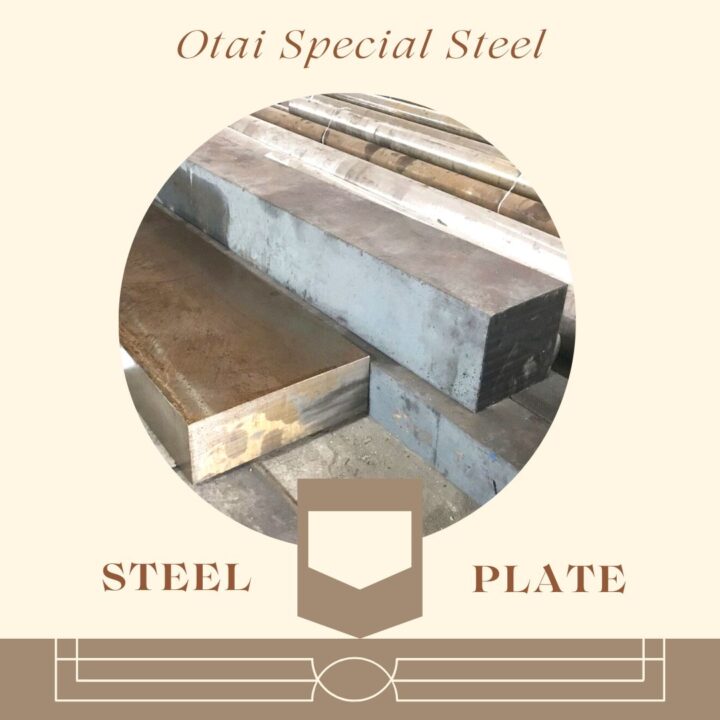
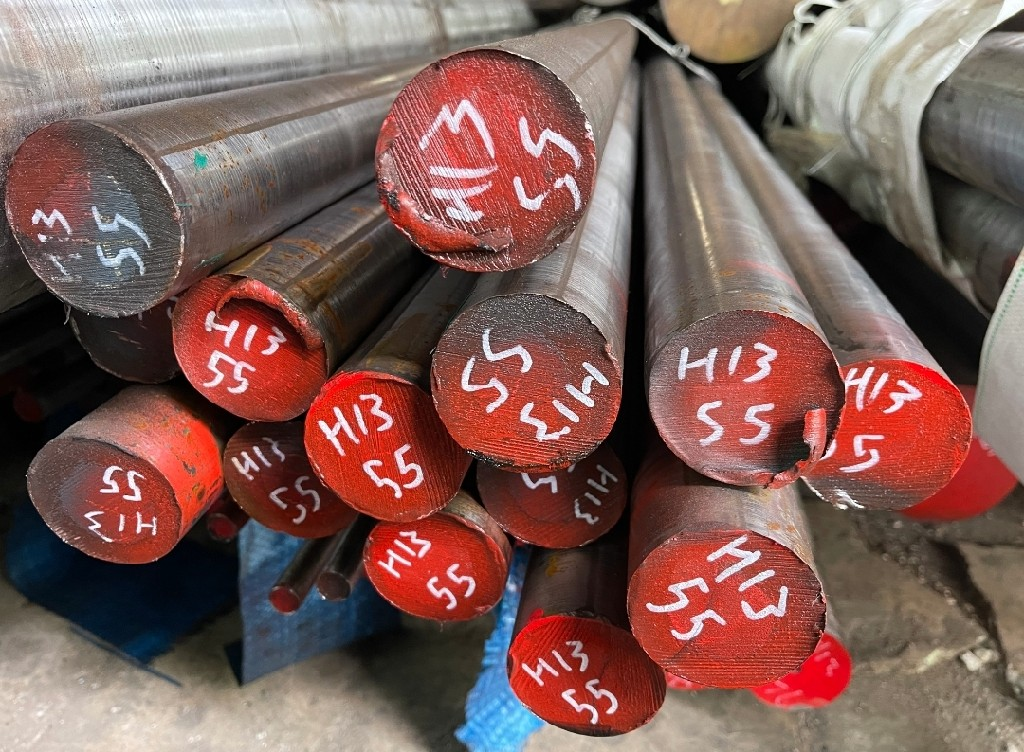
Product form is one of the first details that buyers should confirm. AISI 4140 is available in different forms, including plate and round bar. Each form requires different production, stockholding, cutting and handling arrangements. Consequently, a plate quotation should not be compared directly with a round-bar quotation without adjusting for the actual requirements.
How dimensions affect the quotation
For plate, thickness, width and length determine the material volume and weight. Thicker plate may also require different production routes, handling equipment and machining allowances. For round bar, diameter and length determine the required stock weight and the quantity of material removed during machining.
Dimensions also affect availability. A supplier may hold common sizes in stock but need to arrange production or source less common dimensions. If a buyer requests a non-standard size, the supplier may include extra cutting, handling or material-yield costs.
| Specification factor | Potential cost effect | Buyer action |
|---|---|---|
| Plate thickness | Changes weight, stock availability and processing needs. | Specify exact thickness and acceptable tolerance. |
| Width and length | Affects yield, cutting work and leftover material. | Confirm whether standard stock sizes are acceptable. |
| Round-bar diameter | Affects weight per unit length and machining allowance. | Specify diameter, length and tolerance. |
| Custom-cut pieces | May add cutting, setup and handling charges. | Provide a cutting list and quantity per size. |
| Material condition | Can change processing requirements and price. | State annealed, quenched and tempered, or another required condition. |
Calculate weight before comparing prices
Comparing quotations by piece alone can be misleading when dimensions differ. Buyers should calculate the theoretical weight of each item and compare the price on a consistent basis.
For a rectangular steel plate, an approximate metric calculation is:
Weight (kg) = Length (mm) × Width (mm) × Thickness (mm) × 0.00000785
This formula assumes a steel density of approximately 7,850 kg/m³. It provides an estimate rather than a substitute for the supplier’s agreed weighing method. Actual invoicing may follow theoretical weight, actual weight or another specified basis.
For round bar, use the bar’s diameter and length to estimate volume, then multiply by the same approximate steel density. Always compare quotations using consistent dimensions, quantities and weight conventions.
🔥 How Heat Treatment Affects 4140 Steel Cost
Heat treatment can substantially change the cost of 4140 steel because it adds processing steps and creates specific requirements for hardness, strength and inspection. Buyers should choose the condition according to the component’s design and manufacturing process rather than automatically selecting the most highly processed option.
As-supplied and quenched-and-tempered material
Depending on the supplier and product form, 4140 may be offered in conditions such as annealed, normalized or quenched and tempered. These conditions are not interchangeable. They influence hardness, machinability and the mechanical properties available for the intended application.
Annealed material may suit components that require substantial machining before a later heat-treatment operation. Quenched-and-tempered (Q&T) material may suit applications that require a specified combination of strength and toughness in the supplied condition. The appropriate choice depends on the design, component dimensions and applicable specification.
Q&T material may cost more than material supplied without that treatment because the supplier must account for heat-treatment operations, process control and relevant testing. However, it may reduce downstream processing requirements or help simplify production planning. Buyers should assess the total manufacturing cost rather than the material premium alone.
Specify measurable requirements
Terms such as “hardened,” “heat treated” or “pre-hardened” can be too vague for accurate quotations. If the application requires a specific hardness range or mechanical-property level, state the requirement and the applicable test or material standard.
Do not assume that every 4140 product in a particular condition has identical properties. Results can vary with product form, cross-sectional size, heat-treatment practice and the relevant specification. Where properties are critical, ask the supplier to confirm the delivery condition and the documentation available for the actual material.
Before requesting a quote, clarify whether heat treatment must take place before delivery or whether your own facility will perform it. This single decision can change the supplier’s scope, delivery schedule and cost structure.
⚙️ Cutting, Machining and Surface Requirements
Processing can represent a meaningful share of the final purchasing cost, particularly when a buyer needs multiple cut pieces, close dimensional tolerances or a prepared surface. The key is to distinguish essential requirements from specifications that add cost without improving the component’s performance.
Cutting and machining allowances
Standard stock may be less expensive per kilogram than material cut into individual pieces. However, standard stock may also require additional work at the buyer’s facility. The best option depends on the quantity, the cutting pattern, available equipment and the cost of handling leftover material.
For example, an industrial buyer purchasing 4140 plate for machined machine bases should consider whether the supplier can cut the plate close to the required blank dimensions. This may reduce internal saw time and handling. On the other hand, excessively tight blank dimensions may leave insufficient machining allowance or increase rejection risk.
Before asking for a quote, identify:
- Whether the supplier should provide full-size stock or cut blanks.
- The required finished or blank dimensions.
- Dimensional tolerances and any critical reference surfaces.
- Whether grinding, milling or other machining is necessary.
- How the supplier should handle and identify individual pieces.
Surface finish and inspection requirements
Hot-rolled, machined, ground and other surface conditions involve different levels of processing. A precision-machined component may justify additional surface preparation, while a blank intended for heavy machining may not need a premium finish.
Inspection requirements also affect the quotation. Depending on the application, the buyer may require a material test certificate, hardness verification, dimensional inspection, ultrasonic testing or third-party inspection. These services should follow the actual technical specification rather than being added indiscriminately.
When comparing suppliers, confirm which inspections are included, which require additional charges and whether the documents will identify the supplied material batch. This helps prevent both unnecessary expenditure and gaps in quality assurance.
📊 Order Quantity and Purchasing Volume
Order quantity can affect 4140 steel cost because suppliers must account for picking, cutting, packing, documentation, production planning and freight. Larger orders may spread some fixed costs across more material. Nevertheless, a bulk purchase does not guarantee the lowest total cost for every buyer.
Small orders versus bulk purchasing
A small order may require nearly the same administrative work as a larger order but contain much less material. If the supplier must cut several individual pieces, prepare special packaging or arrange a dedicated shipment, the cost per kilogram can rise.
Larger orders can improve purchasing leverage and may make it easier to negotiate processing or freight arrangements. Yet buyers should not increase quantities simply to obtain a lower unit price. Excess inventory ties up working capital and creates storage, handling and potential obsolescence costs.
For a recurring requirement, compare the cost of one large shipment with several smaller releases. Consider the forecast demand, storage capacity, production schedule and cash-flow implications before deciding.
Look beyond the unit price
Suppose Supplier A offers a lower material rate but charges separately for cutting and packaging. Supplier B quotes a higher rate but includes both services. If the order requires many custom pieces, Supplier B may provide a better total value. If the buyer can process standard stock efficiently in-house, Supplier A may remain the more economical choice.
Use the same quantity, dimensions, material condition and service scope when requesting competitive quotations. If suppliers quote different minimum order quantities or delivery schedules, record those differences rather than treating the prices as directly equivalent.
A useful comparison should include the total quoted amount, the cost per accepted kilogram or piece, the expected usable yield and any costs that remain outside the supplier’s scope.
🌍 Supplier Location, Shipping and Landed Cost
Supplier location affects more than the quoted material price. Buyers sourcing 4140 steel domestically or internationally should compare the complete delivery arrangement, including freight, packaging, customs procedures and the responsibilities assigned to each party.
Domestic sourcing and international sourcing
A domestic distributor may offer convenient access to smaller quantities and relatively short delivery routes. An international supplier may offer different stock options, processing services or pricing for larger orders. However, neither sourcing route is automatically less expensive in every situation.
International purchases can involve export packing, ocean or air freight, cargo insurance, customs clearance, duties, taxes and local transportation. Delivery time and the cost of maintaining buffer stock can also influence the economic decision.
For an accurate comparison, identify the applicable delivery term and named destination. Confirm whether the quotation is based on EXW, FOB, CIF, DAP, DDP or another agreed Incoterms rule. Each term allocates costs, responsibilities and risks differently, so buyers should not compare different terms as if they covered the same service.
Packaging and delivery reliability
Steel plate and bar require suitable handling and packaging to reduce the risk of damage, corrosion or loss during transit. Depending on the shipment, suppliers may use strapping, protective wrapping, anti-rust measures or wooden packaging. Special packaging requirements should be specified before the quotation is finalized.
Delivery reliability matters as well. A low material price may not compensate for a shipment that arrives after the production deadline. If a delay causes production downtime, rescheduling or emergency sourcing, the actual cost can exceed the original savings.
Ask suppliers to confirm lead time, shipment readiness, packaging method and the documents they will provide. For international orders, also clarify who arranges export clearance and who handles import procedures at destination.
🧾 How to Compare 4140 Steel Supplier Quotes
A reliable quote comparison starts with a common specification. If one supplier quotes annealed 4140 plate and another quotes quenched-and-tempered plate, the difference does not necessarily indicate a pricing advantage. The two offers may cover different material conditions and processing scopes.
Build a like-for-like comparison
Ask every shortlisted supplier to quote the same grade, product form, dimensions, quantity, delivery condition and delivery destination. Where applicable, include tolerances, surface requirements, inspection, certification and packaging in the request.
| Comparison item | Questions to ask | Why it matters |
|---|---|---|
| Grade and standard | Does the offer identify the required grade and applicable specification? | Prevents comparisons between different material requirements. |
| Dimensions and quantity | Are size, tolerance, piece count and weight basis consistent? | Makes the unit prices more meaningful. |
| Delivery condition | What heat-treatment condition and properties does the supplier guarantee? | Avoids hidden processing or performance differences. |
| Processing and testing | Are cutting, inspection and material certificates included? | Identifies extra charges and quality-assurance gaps. |
| Delivery terms | What are the shipping term, lead time and destination? | Helps calculate comparable delivered costs. |
| Commercial terms | How long is the offer valid, and what are the payment terms? | Clarifies price validity and cash-flow exposure. |
Check documentation and traceability
For industrial applications, the ability to verify supplied material can be as important as the initial price. Ask whether the supplier can provide the agreed material test certificate and whether it identifies the material batch or heat where applicable. If the purchase specification requires additional tests, state them in the request rather than relying on an informal promise.
Do not assume that every supplier includes the same certificate, test scope or inspection standard. Compare the actual documents and commitments offered, and ensure that they satisfy the engineering or quality requirements for your application.
Evaluate supplier consistency
A competitive supplier should provide clear specifications, realistic lead times and transparent commercial terms. For repeat orders, consistency in dimensions, delivery condition, documentation and communication can reduce the risk of production interruptions.
Price remains important, but the best sourcing decision balances cost with specification compliance, delivery reliability and the supplier’s ability to meet future requirements.
📉 Practical Ways to Reduce 4140 Steel Purchasing Costs
Industrial buyers can often reduce purchasing costs by improving specification planning and supplier coordination. The goal is not simply to negotiate the lowest unit price. It is to remove avoidable processing, material waste, logistics charges and quality risks while preserving the required performance.
1. Use standard stock dimensions where practical
Before requesting a custom size, check whether a standard stock dimension can meet the project requirements. Standard sizes may offer better availability and reduce special cutting or sourcing arrangements. However, compare the full machining and material-waste costs before making a decision.
2. Match the material condition to the application
Do not pay for a heat-treatment condition that the design does not require. At the same time, do not choose a cheaper condition that fails to meet the specified hardness, strength or toughness. Consult the engineering team to define the actual requirements before requesting quotes.
3. Plan cutting patterns and quantities
Provide a complete cutting list, including piece dimensions and quantities. A supplier may be able to arrange a more efficient cutting pattern when several sizes are ordered together. Discuss acceptable blank dimensions and machining allowances to reduce scrap without compromising final component accuracy.
4. Consolidate orders when demand supports it
Combining planned requirements may reduce repeated handling, administrative work and freight charges. Nevertheless, compare these savings with inventory holding costs, storage capacity and the risk of buying material that production will not use soon.
5. Define inspection requirements early
Specify the required certificate, hardness checks, ultrasonic testing or third-party inspection before the supplier prepares the quotation. Early clarification helps suppliers price the actual scope and reduces the risk of unexpected charges late in the order process.
6. Compare total delivered cost
Include processing, packaging, freight and other applicable charges in the comparison. For imported material, use the same destination and delivery basis wherever possible. A lower ex-works price does not necessarily produce a lower delivered cost.
7. Build a repeatable sourcing process
For recurring purchases, keep records of supplier prices, delivery performance, material documentation and nonconformities. These records help buyers distinguish a genuinely competitive offer from a low initial quote that repeatedly creates extra work or delivery problems.
📝 A Buyer’s Checklist for Requesting a 4140 Steel Quote
A detailed request for quotation (RFQ) reduces unnecessary clarification and helps suppliers calculate the required material and processing costs. Before sending an RFQ, prepare the following information.
- Material: AISI 4140 or the exact grade and standard required by the project.
- Product form: Plate, round bar or another specified form.
- Dimensions: Thickness or diameter, width, length and required tolerances.
- Quantity: Total weight, number of pieces and quantity per dimension.
- Delivery condition: Annealed, quenched and tempered, or another defined condition.
- Mechanical requirements: Target hardness or specified mechanical properties where applicable.
- Processing: Cutting, machining, grinding or other required services.
- Quality documents: Material test certificate and any additional inspection or testing.
- Packaging: Standard export packing or specific protection and handling requirements.
- Delivery: Destination, required arrival date and preferred delivery term.
- Commercial terms: Currency, payment terms and required quotation validity.
Example RFQ wording
Buyers can adapt the following example to their actual requirements:
Please quote AISI 4140 steel for industrial use. The required product form is [plate or round bar], with dimensions of [specify dimensions] and a total quantity of [specify quantity]. The required delivery condition is [specify condition], and the applicable material standard is [specify standard]. Please state the available material condition, dimensional tolerance, unit price, total price, cutting or processing charges, inspection documents, packaging method, lead time and delivery terms to [destination]. Please also confirm the quotation validity and identify any additional costs not included in the offer.
This format gives suppliers the information needed to prepare a more relevant quotation. It also makes it easier for the purchasing team to compare offers on an equivalent basis.
Before placing the order, confirm the final specification and acceptance criteria in writing. If the application has critical mechanical or quality requirements, obtain the relevant technical documents and verify that the offered material meets them.
🏭 Why Consider Otai Special Steel for 4140 Steel
Otai Special Steel supports industrial buyers seeking 4140 alloy steel with specified dimensions and processing requirements. When comparing quotations, buyers can discuss not only the material itself but also the cutting, inspection, packaging and delivery arrangements needed for their projects.
- 4140 product range: Reference supply ranges include 4140 steel plate from 4–380 mm thick, quenched-and-tempered 4140 plate from 13–200 mm thick, and round bar with diameters of 14–500 mm. Confirm current stock, exact sizes and delivery condition before placing an order.
- Cutting capabilities: 20 saw cutting machines support cutting services for customer-specific dimensions.
- Processing options: CNC machining, grinding and other agreed processing services can help buyers coordinate multiple requirements.
- Custom dimensions and tolerances: Discuss the required blank sizes and dimensional tolerances when requesting a quotation.
- Quality documentation: Material testing and certificates can be discussed according to the order specification. Ultrasonic testing and third-party inspection support should be confirmed for the specific order.
- Packaging support: Strapped or bundled packing, wooden cases and anti-rust protection can be arranged according to shipment requirements.
- International supply experience: Otai has exported to more than 54 countries since 1999 and provides one-stop service for international steel buyers.
- Broader inventory resources: Otai maintains more than 10,000 tons of stock across its overall product range; this figure does not represent 4140 inventory alone.
For product specifications and quotation inquiries, visit the Otai 4140 alloy steel product page. Share the required dimensions, quantity, material condition, processing needs and destination to help the sales team prepare a quotation for your project.
❓ FAQ About 4140 Steel Cost
1. How much does 4140 steel cost?
There is no single price for all 4140 steel products. The cost depends on product form, dimensions, material condition, quantity, processing, inspection, supplier location and delivery terms. For an accurate figure, request a quotation based on the exact specification and delivery destination rather than relying on an unrelated online price.
2. Why is 4140 steel more expensive than some carbon steels?
4140 is a chromium-molybdenum alloy steel. Its alloy content, production controls and possible heat-treatment requirements can make it more expensive than some common carbon steels. However, material selection should also consider the mechanical properties and service requirements of the finished component.
3. Does quenched-and-tempered 4140 steel cost more?
Quenched-and-tempered 4140 may cost more because heat treatment adds processing and quality-control requirements. The overall economic benefit depends on whether the supplied condition meets the application requirements and reduces additional processing at the buyer’s facility.
4. Is buying 4140 steel in bulk always cheaper?
Bulk purchasing may reduce the unit price or spread fixed costs across a larger quantity. However, it can also increase storage costs, working-capital requirements and unused inventory. Compare the total cost of bulk purchasing with the cost of smaller, more frequent deliveries based on actual demand.
5. What information should I provide to get an accurate 4140 steel quote?
Provide the grade and standard, product form, dimensions, tolerances, quantity, delivery condition, required mechanical properties, processing needs, inspection documents, packaging requirements and destination. Also ask the supplier to specify the delivery term, lead time, quotation validity and any additional charges.