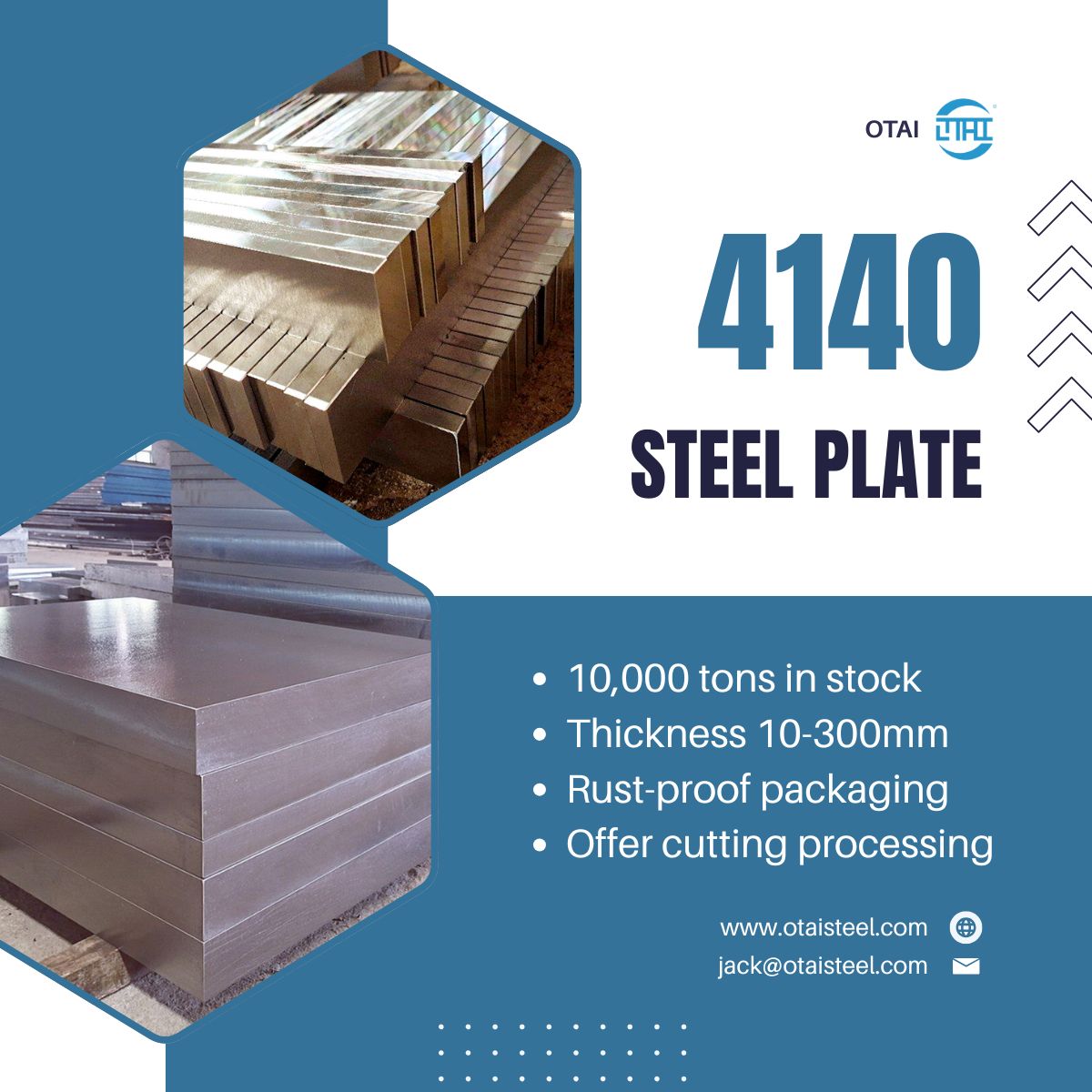
 4140 steel is a versatile alloy that combines carbon, chromium, molybdenum, and manganese to deliver a balance of strength, toughness, and wear resistance. It is commonly used in industries that require durable materials for high-stress components, such as automotive, aerospace, and heavy machinery. One of the key mechanical properties of 4140 steel that engineers and designers consider when selecting materials for specific applications is its elastic modulus.
🏗️ What is the Elastic Modulus?
The elastic modulus (also known as the modulus of elasticity) is a material property that describes its ability to deform elastically (i.e., temporarily) when subjected to an applied force. It is a measure of a material’s stiffness and its ability to return to its original shape after the force is removed. Essentially, the elastic modulus defines the relationship between stress (force per unit area) and strain (proportional deformation) in the elastic region of the material’s stress-strain curve.
A higher elastic modulus indicates that the material is stiffer, meaning it resists deformation under stress. Conversely, a lower elastic modulus means the material is more flexible and will deform more easily.
There are several types of elastic moduli, including:
-
Young’s Modulus (E), which measures the stiffness of a material in tension or compression.
-
Shear Modulus (G), which measures the material’s response to shear stress.
-
Bulk Modulus (K), which measures the material’s response to uniform compression.
For the purpose of this article, we will focus primarily on Young’s Modulus, which is the most commonly referenced elastic modulus in structural and mechanical design.
🔧 Elastic Modulus of 4140 Steel
The elastic modulus of 4140 steel refers to the material’s stiffness when subjected to tensile or compressive forces. For 4140 steel, the Young’s Modulus typically ranges between 190 GPa and 210 GPa (gigapascals), depending on the specific alloy composition and heat treatment. This range places 4140 steel in the category of relatively stiff materials, meaning it resists deformation under typical working loads.
The value of Young’s Modulus for 4140 steel is quite high compared to other materials like aluminum (which has an elastic modulus of about 69 GPa) but lower than that of titanium or other high-strength steels.
Factors Affecting the Elastic Modulus of 4140 Steel
While 4140 steel has a relatively consistent elastic modulus, several factors can influence its value, including:
-
Chemical Composition: The exact alloying elements in 4140 alloy, such as the amounts of carbon, chromium, and manganese, can slightly affect the elastic modulus. These alloying elements are chosen to improve the material’s strength and hardness, but they can also influence the stiffness.
-
Heat Treatment: The heat treatment applied to 4140 steel—such as tempering, quenching, or normalizing—can impact its internal structure and, consequently, its elastic modulus. Generally, heat treatment will not drastically alter the elastic modulus, but it can influence other mechanical properties that interact with the material’s stiffness.
-
Temperature: The elastic modulus of 4140 material can decrease as temperature increases. At high temperatures, the material becomes more flexible, which reduces its stiffness. Engineers must consider this change in stiffness when designing components for use in high-temperature environments.
🔨 Why is the Elastic Modulus Important for 4140 Steel?
Understanding the elastic modulus of 4140 steel is crucial for several reasons, especially in mechanical and structural design. The elastic modulus affects the material’s performance in applications that involve stress, strain, and deflection. Below are some reasons why the elastic modulus is essential when working with 4140 steel:
1. Designing for Strength and Stability
-
The elastic modulus helps engineers determine how much 4140 steel will deform under a given load. For example, when designing shafts, axles, or gears, knowing the elastic modulus ensures that the material will not deform excessively under the operational loads, thus maintaining the integrity and performance of the component.
2. Calculating Deflection in Components
-
When 4140 steel is used in structural applications or load-bearing components, the elastic modulus is used to calculate the amount of deflection the material will undergo under a given force. For example, in the design of beams or columns, the elastic modulus allows engineers to ensure that the material will not deform excessively, which could lead to failure or malfunction.
3. Predicting Material Behavior Under Stress
-
The elastic modulus is also vital when predicting how 4140 steel will behave under varying loading conditions. For components that will experience repeated loading, understanding the elastic modulus helps engineers assess the risk of fatigue failure, where material deformation leads to cracks and eventual breakage.
📊 How Does the Elastic Modulus of 4140 Steel Compare to Other Materials?
To better understand how 4140 steel compares in terms of stiffness, here’s a comparison of its elastic modulus with that of other common materials:
| Material | Young’s Modulus (GPa) | Applications |
|---|---|---|
| 4140 Steel | 190–210 | Automotive parts, gears, shafts, machinery |
| AISI 1045 Steel | 190–210 | General engineering, shafts |
| Titanium | 100–120 | Aerospace, medical implants |
| Aluminum | 69 | Lightweight structures, aircraft |
| Copper | 110 | Electrical wiring, piping |
| Cast Iron | 120–170 | Engine blocks, pipes, heavy machinery |
As shown in the table, 4140 steel has a relatively high elastic modulus compared to materials like aluminum and copper, which are much more flexible. This stiffness makes 4140 steel a strong candidate for applications requiring strength and resistance to deformation.
🏗️ Applications of 4140 Steel Where Elastic Modulus Matters
The elastic modulus of 4140 steel plays a critical role in the following applications:
1. Automotive Components
-
4140 steel is often used in automotive components like gears, axles, and suspension parts. The material’s high elastic modulus ensures that it will not deform excessively under high-stress conditions, making it ideal for parts that undergo constant loads and impacts.
2. Industrial Machinery
-
16MnCr5 steel is commonly used in industrial machinery, including components like shafts, bearings, and gears. The elastic modulus helps ensure that these parts can withstand heavy mechanical stress without excessive deflection.
3. Aerospace and Military
-
4140 steel is also used in aerospace and military applications. The elastic modulus helps engineers design parts that must withstand high-speed forces and vibrations without failing or losing structural integrity.
4. Heavy Equipment
-
Components in heavy equipment, such as those used in construction and mining, require 4140 steel because of its ability to maintain its shape and strength under constant stress, especially in parts like gears, sprockets, and crankshafts.
🏆 Why Choose Otai Special Steel for Your 4140 Steel Needs?
At Otai Special Steel, we specialize in providing high-quality 4140 steel with consistent mechanical properties. Our inventory of 4140 steel is available in various forms, including plates, bars, round bars, and custom profiles, and we offer tailored services such as cutting, heat treatment, and packaging to meet your specific needs.
Advantages of Working with Otai Special Steel:
-
Premium Materials: We provide top-grade 4140 steel that meets international standards for strength, toughness, and elastic modulus.
-
Customization: We offer custom cutting, heat treatment, and machining to suit your exact specifications.
-
Competitive Pricing: We provide high-performance steel at competitive prices.
-
Fast Delivery: With a large inventory and efficient logistics, we ensure fast delivery to meet your project deadlines.
❓ Frequently Asked Questions (FAQ)
Q1: What is the elastic modulus of 4140 steel?
-
A1: The elastic modulus of 4140 steel typically ranges from 190 GPa to 210 GPa, making it a relatively stiff material suitable for high-stress applications.
Q2: Why is the elastic modulus important for designing with 4140 steel?
-
A2: The elastic modulus helps engineers determine how much 4140 steel will deform under stress, ensuring that the material maintains its shape and function without excessive deflection.
Q3: How does the elastic modulus of 4140 steel compare to other materials?
-
A3: 4140 steel has a higher elastic modulus than materials like aluminum and copper, making it ideal for applications requiring high stiffness and resistance to deformation.
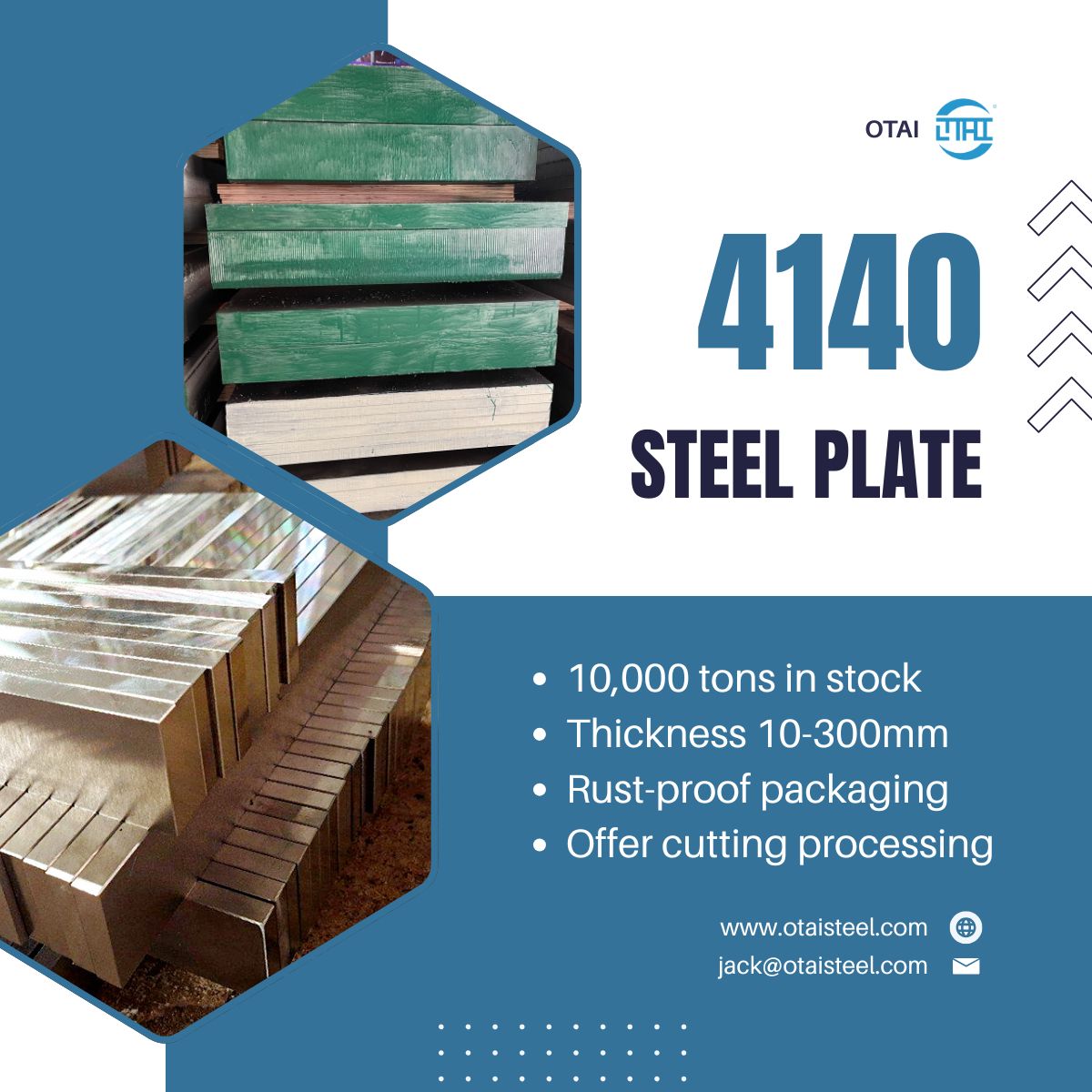 How Ductility Affects the Performance of 4140 Steel
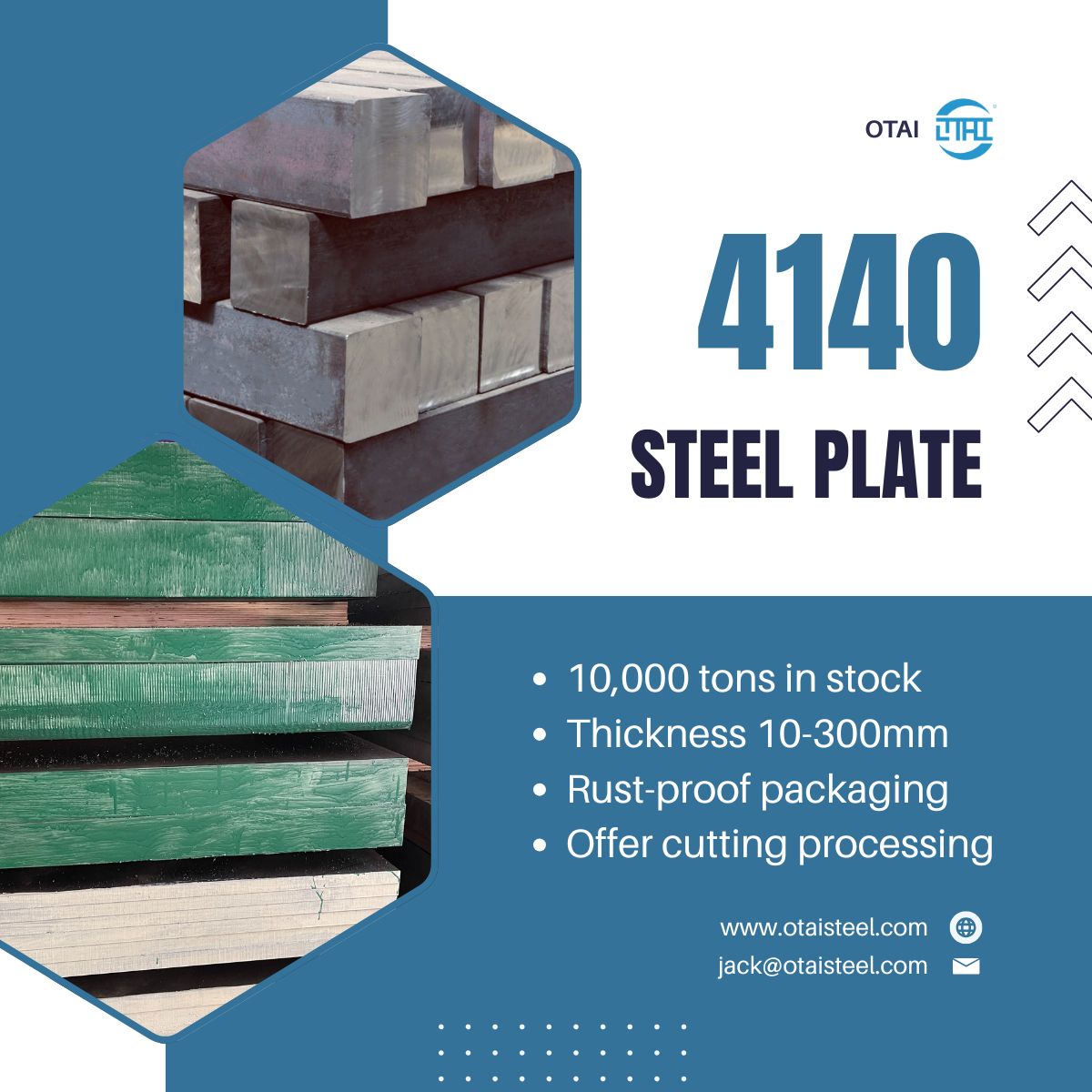 When buyers search for 4140 steel ALRO, they usually want pricing clarity, stock availability, and delivery speed. ALRO Steel works as a well-known metal distributor in North America, so engineers and purchasing teams often encounter its name during sourcing.
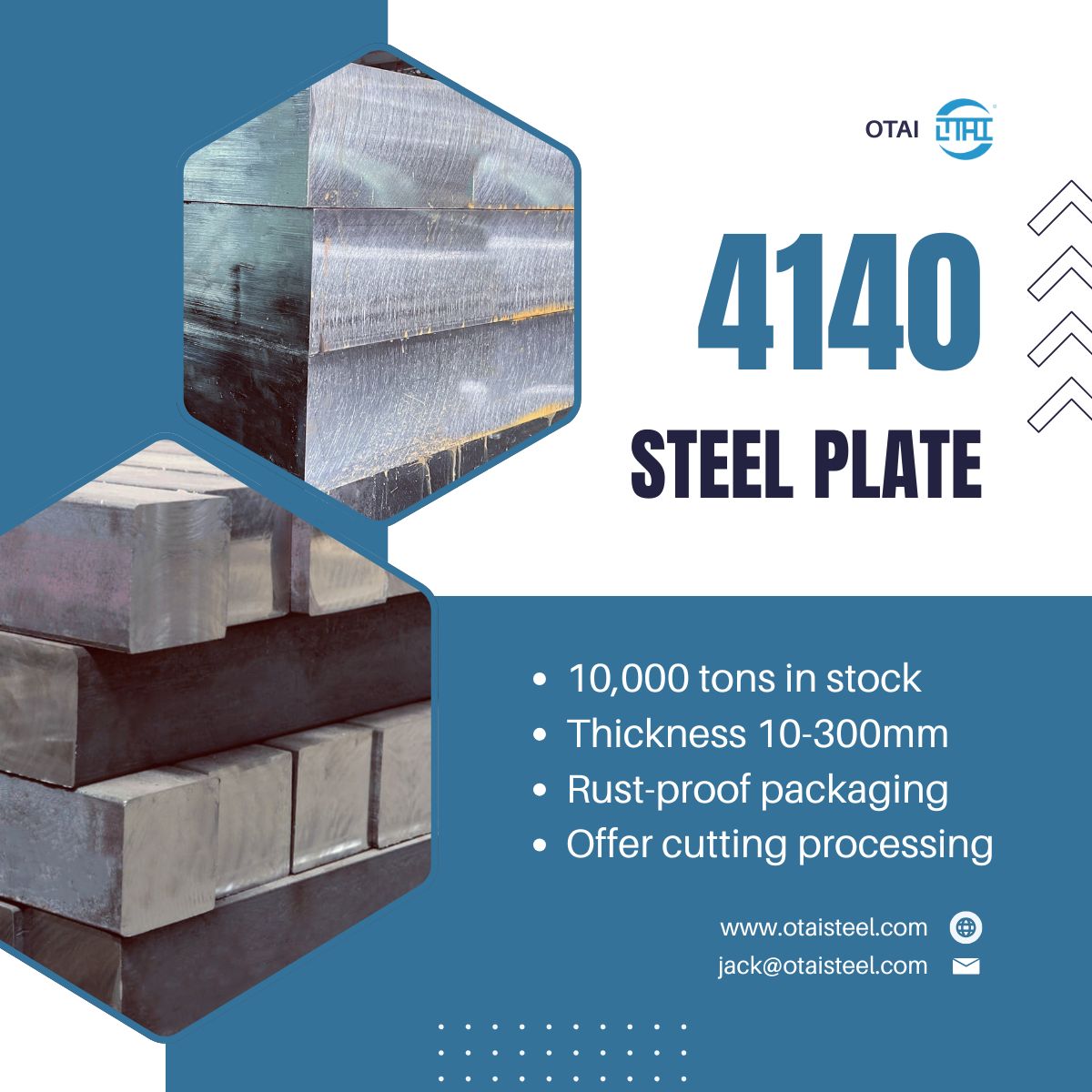 Why Brazing 4140 Steel?
 How Does the CTE of 4140 Steel Impact Its Performance?
 How Heat Treatment Affects the Microstructure of 4140 Steel
 4140 Steel’s key Characteristics: Understanding its Strength and Versatility
 Factors Affecting the Compressive Strength of 4140 Steel
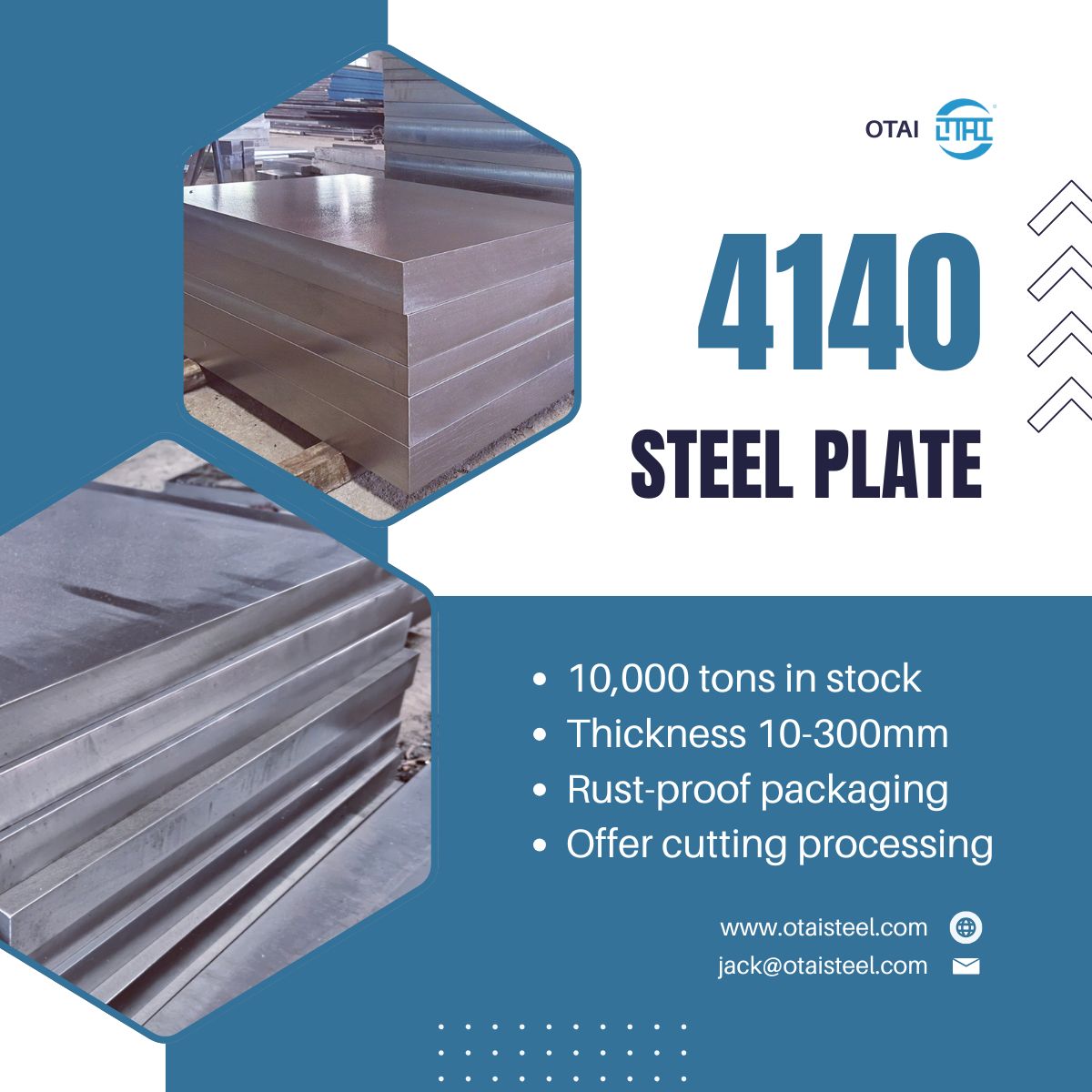 4140 Steel Speeds and Feeds: How to Machine Alloy Steel Efficiently Without Burning Tools
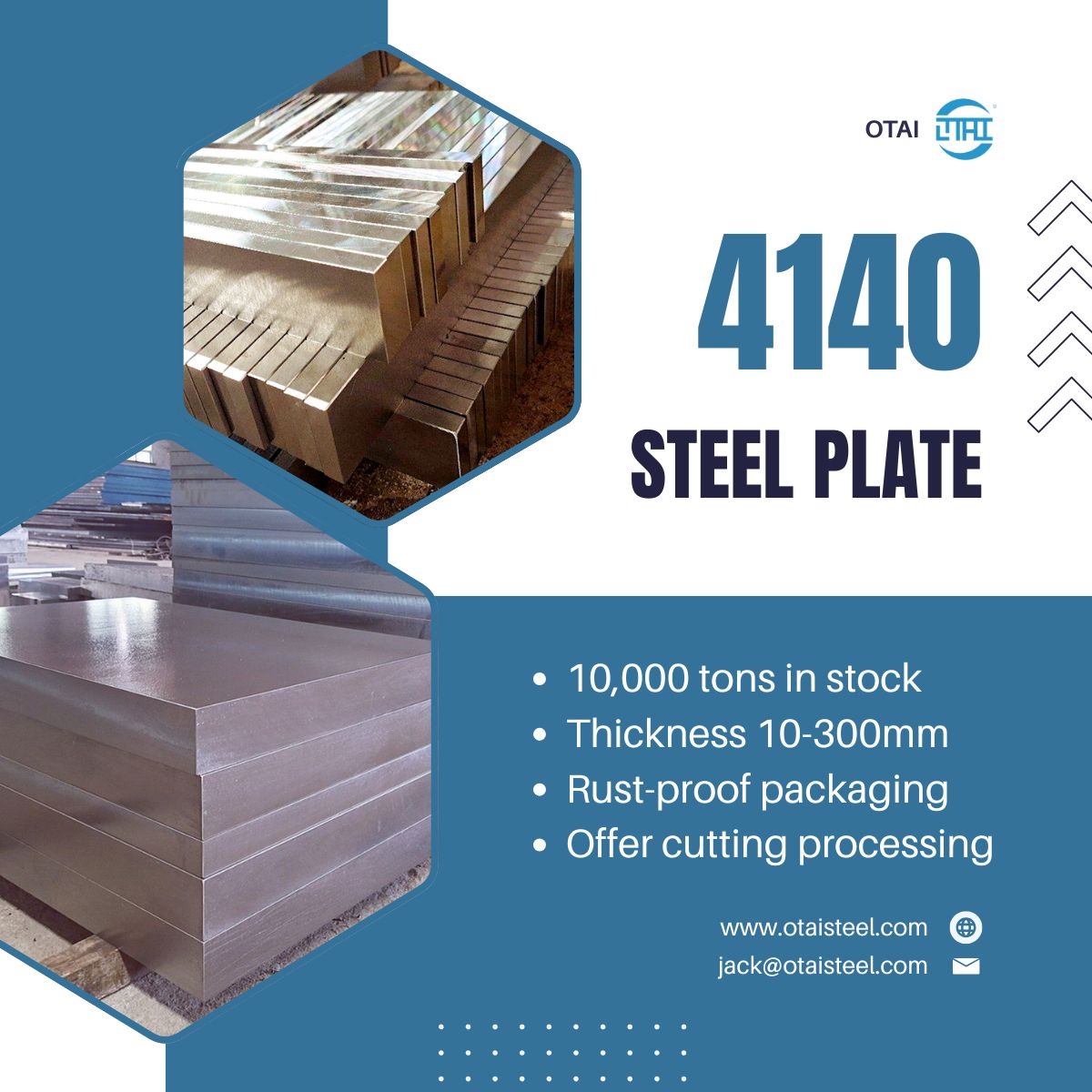 4140 Hot Rolled Steel Properties: Performance, Strength, and Real Industrial Applications
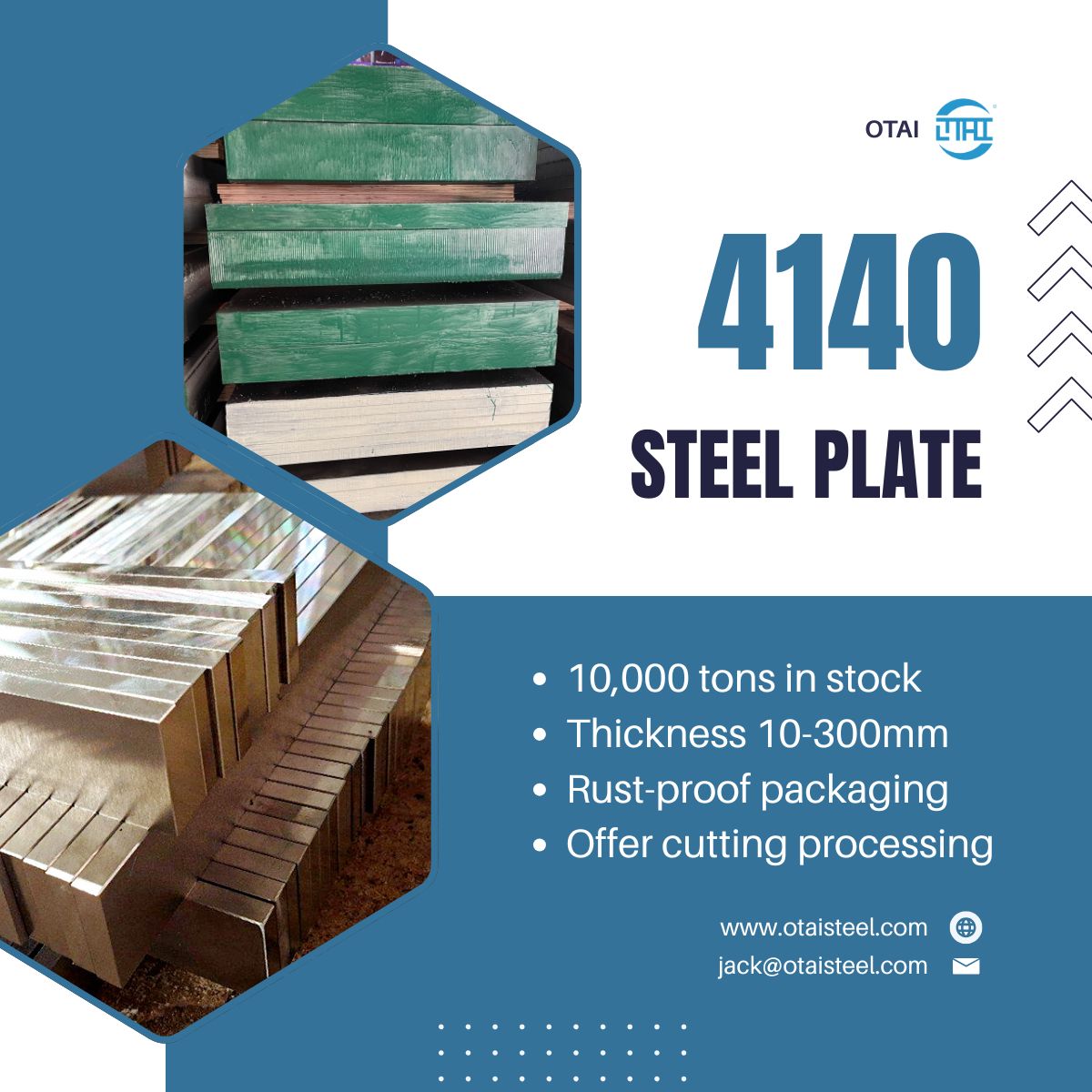 Why Choose 4140 Steel for Hammer?
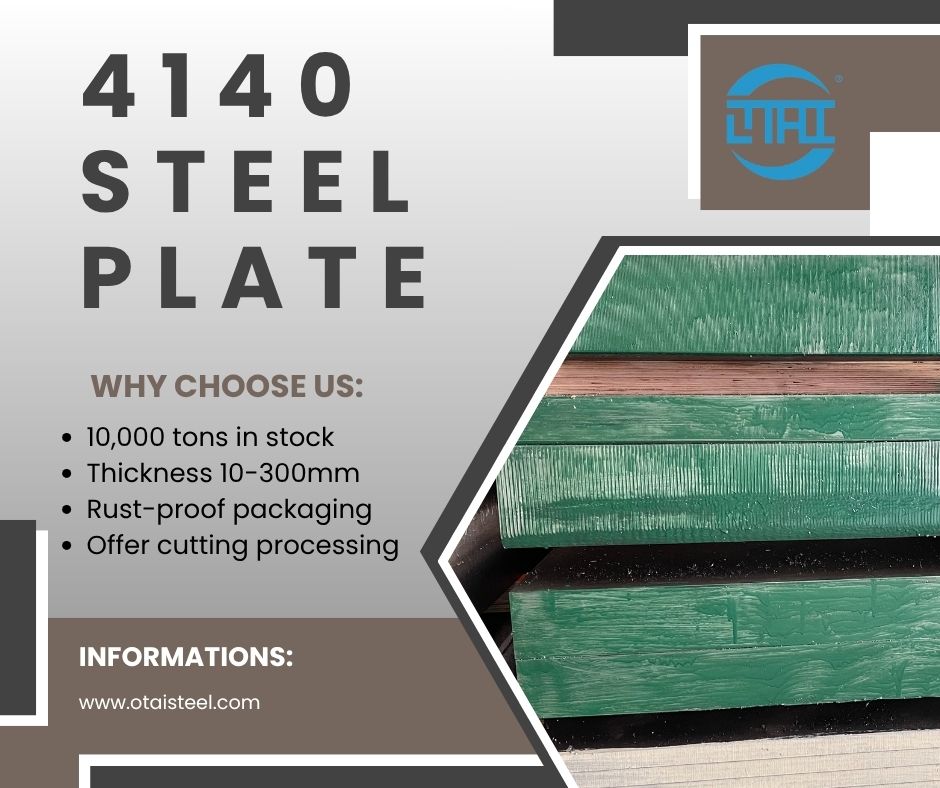 4140 steel is a widely used alloy steel known for its high tensile strength, toughness, and wear resistance. It is a popular choice in industries like automotive, aerospace, and machinery, especially for manufacturing gears, shafts, axles, and crankshafts. One of the key properties that make 4140 steel highly effective in these applications is its compressive strength, or its ability to withstand compressive forces before failing or deforming.