 Rockwell Hardness of 4140 Steel: Values, Conditions, and Engineering Impact
Hardness directly affects wear resistance, strength, and service life in mechanical components. For this reason, engineers often evaluate the Rockwell hardness of 4140 steel before finalizing material selection. As a chromium-molybdenum alloy steel, 4140 offers a wide hardness range that adapts well to different heat-treatment conditions and application demands.
This article explains how Rockwell hardness changes in 4140 steel, what values engineers can expect, and how hardness influences real-world performance.
🔍 What Rockwell Hardness Means for 4140 Steel
Rockwell hardness testing measures a material’s resistance to indentation under a standardized load. Engineers usually apply the Rockwell C scale (HRC) to hardened steels like 4140 because it offers fast, repeatable results.
When discussing the Rockwell hardness of 4140 steel, it is important to consider:
-
Heat treatment condition
-
Section thickness
-
Cooling rate during quenching
-
Final tempering temperature
Because of these factors, 4140 steel does not have a single hardness value. Instead, it provides a controlled hardness range.
🧪 Why 4140 Steel Responds Well to Hardening
4140 steel contains carefully balanced alloying elements that promote hardenability and strength.
Typical Chemical Composition of 4140 Steel
| Element | Content (%) | Effect on Hardness |
|---|---|---|
| Carbon (C) | 0.38 – 0.43 | Enables martensite formation |
| Chromium (Cr) | 0.80 – 1.10 | Improves wear resistance |
| Molybdenum (Mo) | 0.15 – 0.25 | Enhances deep hardening |
| Manganese (Mn) | 0.75 – 1.00 | Supports strength and toughness |
This chemistry allows 4140 steel to harden through its cross-section when quenched properly.
🔥 Rockwell Hardness of 4140 Steel by Condition
Heat treatment defines the final hardness level more than composition alone.
Typical Rockwell Hardness Values (HRC)
| Condition | Rockwell Hardness (HRC) |
|---|---|
| Annealed | 18 – 22 |
| Normalized | 22 – 28 |
| Quenched & Tempered (Low Temp) | 40 – 45 |
| Quenched & Tempered (Medium Temp) | 32 – 38 |
| Fully Hardened (As-Quenched) | Up to 55 |
This wide range explains why engineers rely on the Rockwell hardness of 4140 steel for flexible design solutions.
⚙️ Relationship Between Hardness and Mechanical Performance
Hardness strongly influences strength, wear resistance, and toughness.
Hardness vs Performance Trend
| Hardness Level | Performance Characteristics |
|---|---|
| 18 – 25 HRC | Excellent machinability, low wear resistance |
| 28 – 35 HRC | Balanced strength and toughness |
| 38 – 45 HRC | High strength, moderate toughness |
| 45 – 55 HRC | Maximum wear resistance, reduced toughness |
Engineers often target 28–35 HRC for shafts and 40–45 HRC for gears and high-stress components.
🧱 Through-Hardening Capability
Unlike carburizing steels, 4140 steel hardens through the entire section when quenched correctly. This property makes it ideal for thick components that must maintain consistent strength from surface to core.
Key benefits include:
-
Uniform hardness distribution
-
Predictable fatigue performance
-
Improved resistance to bending and torsion
This capability separates 4140 from low-carbon carburizing steels.
🛠️ Machinability vs Hardness
Machinability decreases as hardness increases.
-
Below 28 HRC, 4140 machines easily with HSS tools
-
Between 30–40 HRC, carbide tooling becomes necessary
-
Above 45 HRC, grinding often replaces machining
For this reason, manufacturers usually machine parts before final heat treatment.
🔩 Comparison with Similar Alloy Steels
Engineers often compare 4140 with other alloy steels when hardness requirements matter.
Rockwell Hardness Comparison
| Steel Grade | Typical Max Hardness (HRC) |
|---|---|
| 4140 | ~55 |
| 4130 | ~50 |
| 4340 | ~58 |
| 5140 | ~54 |
This comparison shows why 4140 offers an excellent balance between hardness capability and cost.
🏗️ Applications Where Hardness Matters
Industries select 4140 steel based on its hardness flexibility:
-
⚙️ Gears and pinions
-
🚗 Axles and crankshafts
-
🏭 Hydraulic shafts and spindles
-
🛢️ Oilfield tools
-
🧰 Tool holders and fixtures
In these uses, the Rockwell hardness of 4140 steel directly affects wear life and reliability.
🔧 Hardness Control Tips for Engineers
To achieve consistent hardness results:
-
Normalize before hardening
-
Use proper quenching media (oil or polymer)
-
Temper immediately after quenching
-
Verify hardness at multiple locations
These steps help maintain stable mechanical performance.
🏅 Company Advantages – Why Choose Otai Special Steel?
Otai Special Steel supplies 4140 steel with reliable hardness control:
-
🔹 Over 10,000 tons of alloy steel inventory
-
🔹 Forms available: plates, bars, tubes, forged blocks
-
🔹 Heat treatment coordination upon request
-
🔹 Quality control: UT testing, chemical analysis, SGS inspection
-
🔹 Long-term supplier to Thyssenkrupp, Borealis, Schlumberger
We help customers achieve the right Rockwell hardness of 4140 steel for their applications.
❓ FAQ – Rockwell Hardness of 4140 Steel
Q1: What is the maximum Rockwell hardness of 4140 steel?
4140 steel can reach about 55 HRC in the fully hardened condition.
Q2: Can 4140 steel maintain hardness in thick sections?
Yes. Its alloy content supports through-hardening in medium to thick sections.
Q3: Does higher hardness reduce toughness?
Yes. As hardness increases, toughness decreases, so balance matters.
Q4: Which hardness range works best for shafts?
Most shafts perform best between 28–35 HRC.
Q5: Can tempering adjust hardness precisely?
Yes. Tempering temperature directly controls final Rockwell hardness.
 When engineers evaluate alloy steels for strength, wear resistance, and durability, 4140 steel RC hardness often stands at the center of the discussion. RC refers to Rockwell C hardness, a standardized hardness scale engineers use to measure resistance to indentation. By understanding the RC hardness of 4140 steel, designers can choose the right heat treatment condition and optimize performance in real-world applications.
 Engineers, manufacturers, and procurement teams often search for a steel grade that combines strength, wear resistance, and predictable performance after heat treatment. In many cases, 4140 QT steel delivers exactly that balance. Because Quenched and Tempered (QT) treatment optimizes hardness and toughness, this grade works reliably in demanding mechanical applications.
 What is 4140 Steel’s Ductile-Brittle Transition Temperature?
 4140 Steel Other Names: Exploring Its Variations and Recognitions
 4140 Steel McMaster – Availability, Grades, and Practical Selection Tips
 4140 Steel Meaning – Definition, Composition, and Real-World Performance
 How is 4140 Alloy Steel Manufactured?
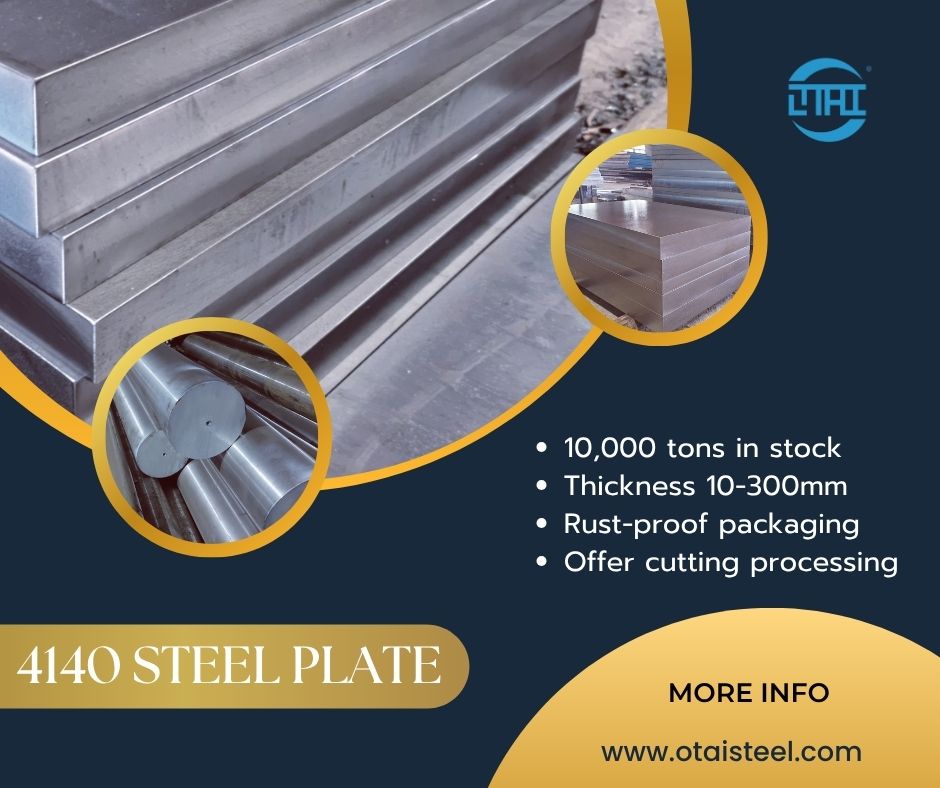 4140 Steel Ductile-to-Brittle Transition Temperature
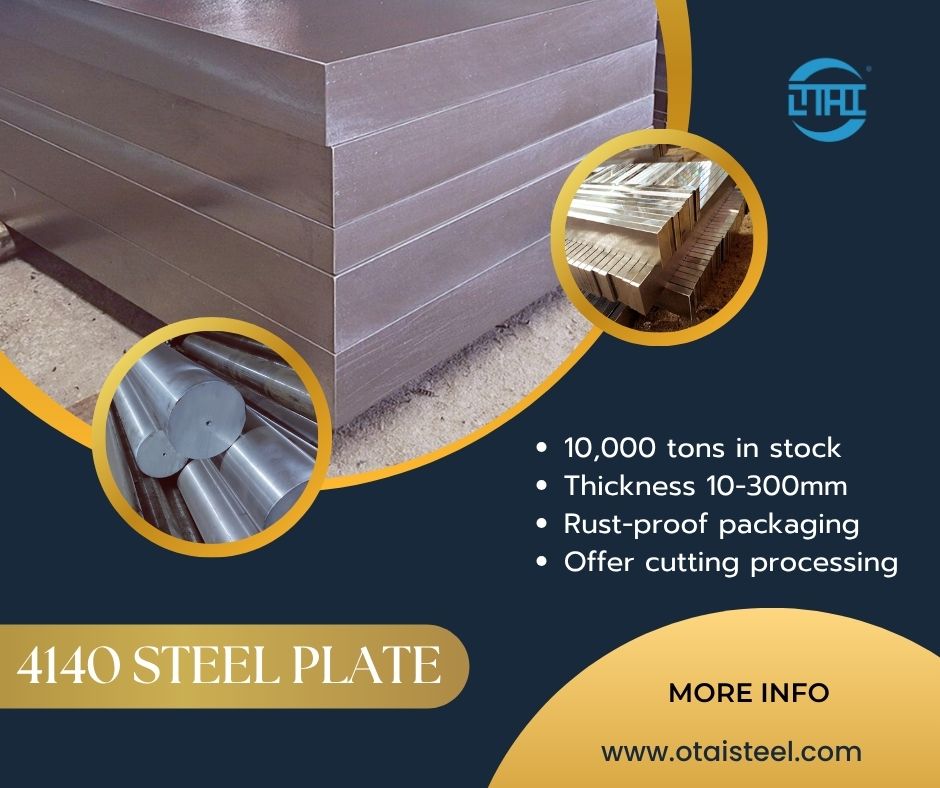 4140 steel tubes – Properties and Engineering Insights
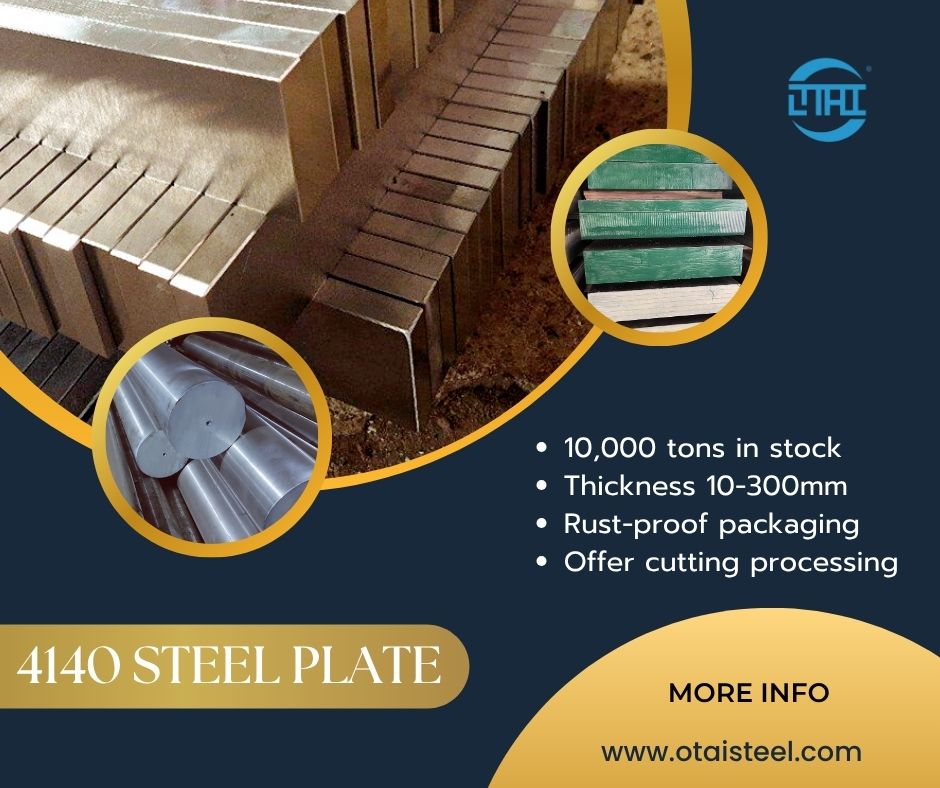 What industries use 1 inch 4140 steel rods?
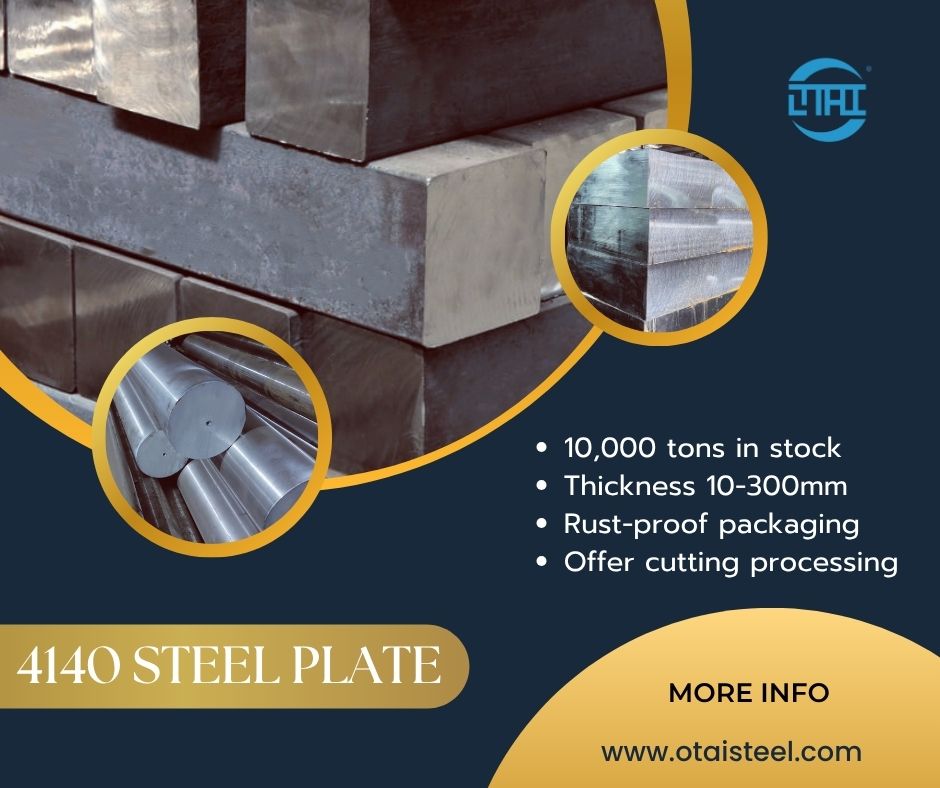 4140 steel Plate Distributor: How to Choose the Right Supplier